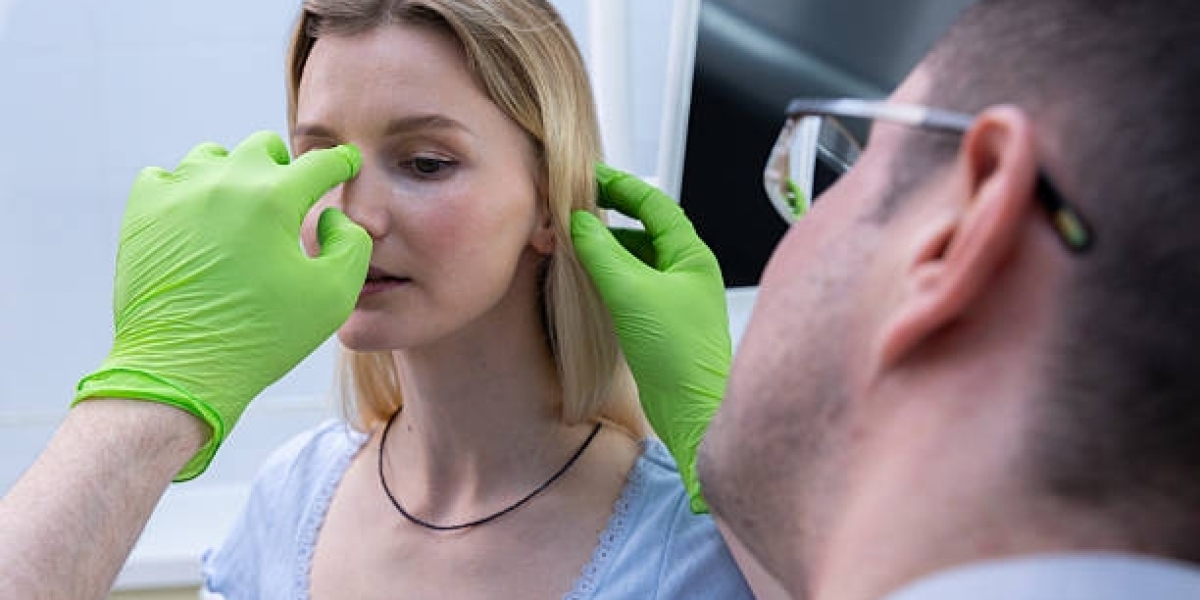

After rhinoplasty, external nasal splints play a critical role in protecting the new nose shape, reducing swelling, and supporting healing. Choosing the right splint material can significantly improve patient comfort and overall recovery. Rhinoplasty in Riyadh (عملية تجميل الأنف في الرياض) clinics now offer advanced splint options designed for both support and comfort in the healing period.
Rhinoplasty in Riyadh focuses on combining structural stability with patient-friendly materials. Modern splints are lightweight, breathable, and designed to minimize discomfort while effectively maintaining nasal alignment.
Purpose of Nasal Splints
Protect the Nose
Splints shield the nasal bridge and tip from accidental bumps, pressure, or trauma during the early healing phase.
Maintain Structural Support
They ensure that cartilage, grafts, and sutured tissues stay in the intended position while swelling and healing occur.
Control Swelling and Bruising
By providing gentle compression, splints reduce post-operative edema and help contour the nasal shape.
Common Splint Materials
Thermoplastic Splints
Lightweight and moldable, thermoplastic splints conform to the nose, offering customized support and comfort.
Aluminum Splints
Durable yet flexible, aluminum splints provide firm support and are often combined with soft padding to minimize irritation.
Soft Silicone Pads
Used in combination with hard splints, silicone pads cushion the nasal skin, reduce friction, and enhance patient comfort.
Plaster or Fiberglass
Traditional materials like plaster or fiberglass are rigid and protective but less comfortable than modern alternatives; they are still used in select cases for complex structural support.
Factors Enhancing Splint Comfort
Lightweight Design
Modern splints are designed to feel unobtrusive, allowing patients to move, sleep, and perform daily activities more comfortably.
Breathable Materials
Materials that allow airflow reduce sweating, skin irritation, and discomfort, especially in hot climates like Riyadh.
Custom Fit
Splints molded to individual nasal anatomy provide precise support and reduce pressure points or pinching.
Easy Removal
Some materials are designed for gentle removal, minimizing pain and stress during post-operative care.
Recovery Considerations
Duration of Use
Splints are typically worn for 7–10 days post-surgery, during which proper care ensures both comfort and optimal healing.
Protecting the Nose
Even with comfortable splints, patients should avoid bumps, pressure, or strenuous activity that could compromise nasal alignment.
Skin and Hygiene
Keeping the area clean and dry enhances comfort, prevents irritation, and supports tissue healing.
Choosing Expert Care in Riyadh
Selecting the right splint and using it correctly is crucial for a safe and comfortable recovery. Clinics offering Rhinoplasty in Riyadh provide personalized guidance on splint material selection, fitting, and care, tailored to the patient’s anatomy and climate conditions. Royal Clinic Saudia specializes in modern rhinoplasty techniques, including advanced splinting for both support and comfort during recovery.
Book an Appointment
For guidance on splint materials and expert post-operative care, schedule a consultation with Royal Clinic Saudia (عيادات رويال كلينك). The clinic offers advanced rhinoplasty techniques, personalized splinting solutions, and thorough recovery support to ensure comfort, protection, and optimal results.
FAQs:
What types of splints are used after rhinoplasty?
Thermoplastic, aluminum, silicone pads, and fiberglass or plaster splints are commonly used to support and protect the nose.
How long do I need to wear a splint?
Typically, splints are worn for 7–10 days, depending on the complexity of the surgery and surgeon recommendations.
Do splints cause discomfort?
Modern splints are lightweight, breathable, and custom-fitted to maximize comfort while maintaining support.
Can splints affect the healing outcome?
Yes, proper splint use stabilizes the nose, reduces swelling, and ensures the desired shape is maintained during early healing.