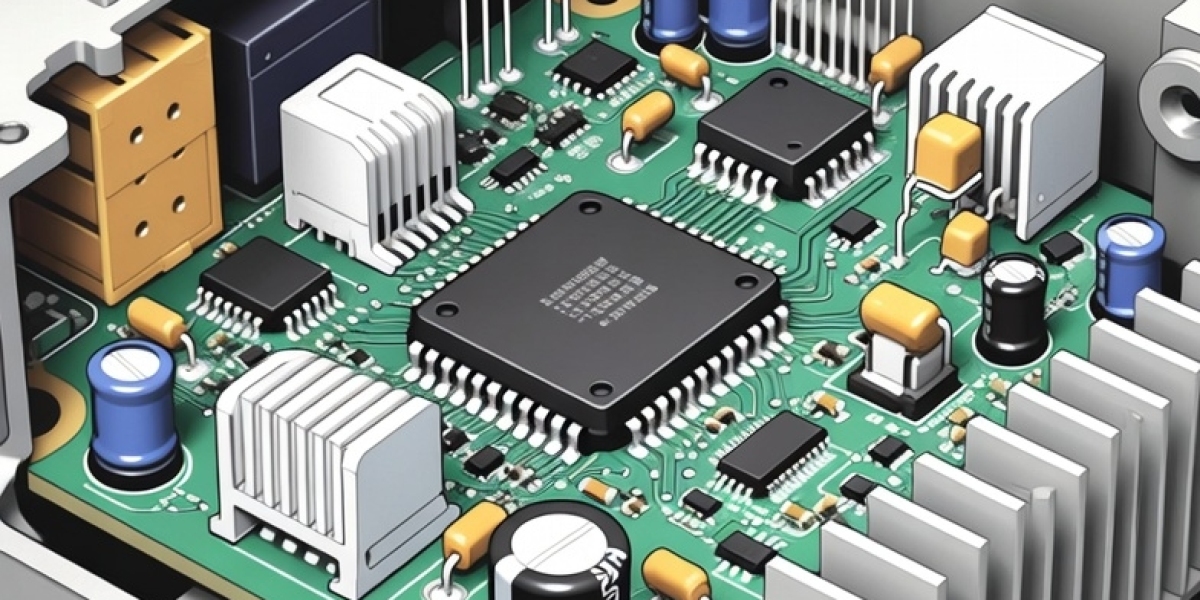

The modern ABS car is no longer governed by simple hydraulic logic. In hybrid platforms, braking decisions are made by a highly intelligent Brake ECU that evaluates multiple signals at the same time. This ECU must continuously balance motor torque, wheel speed, and driver intent while maintaining safety and comfort. Within this decision-making process, intelligent braking assistance systems act as the foundation that allows hybrid braking to feel natural while still protecting stability. At Hybridev Engineering, we approach this topic from an engineering-first perspective, focusing on how real signals behave under real driving conditions.
Why Brake ECU Architecture Is Different in a Hybrid ABS Car
In a conventional vehicle, ABS logic intervenes only when wheel lock is detected. In a hybrid ABS car, the Brake ECU must decide how braking is produced before lock even becomes a risk. Regenerative braking, hydraulic pressure, and electronic modulation all operate together. This layered structure means the ECU is constantly arbitrating between available motor torque and actual wheel deceleration.
Hybridev Engineering frequently encounters vehicles where braking complaints are blamed on hardware, even though the real issue lies in how the ECU prioritizes signals. Understanding this architecture is essential for accurate diagnostics and long-term reliability.
Signal Arbitration Between Motor Torque and Wheel Speed
At the core of every hybrid ABS car is a real-time arbitration model. Wheel speed sensors report rotational changes in milliseconds, while the inverter communicates how much negative torque the motor can safely generate. The Brake ECU compares these inputs continuously.
If motor torque alone can slow the vehicle without risking slip, hydraulic pressure is delayed. If wheel speed drops too quickly, ABS modulation overrides regeneration instantly. This is why braking behavior in a hybrid system feels different from a traditional car. It is also why signal quality matters more than component condition.
How Software Logic Protects Braking Stability
Brake stability in a hybrid ABS car depends on predictive modeling rather than reaction alone. The ECU estimates road grip, vehicle load, and deceleration targets before applying force. If any signal becomes unreliable, the system shifts authority immediately.
At Hybridev Engineering, we emphasize software integrity because even minor calibration errors can create harsh pedal feel or premature ABS engagement. These symptoms often disappear once arbitration logic is restored to factory-accurate behavior.
Battery State and Its Influence on Brake Decisions
Battery condition directly affects regenerative braking capacity. When charge levels are high, regeneration is limited, forcing the ABS car to rely more heavily on hydraulic braking. This transition increases ABS activity and changes pedal response.
This same principle exists in electric mobility. Engineers designing a long-lasting e-bike battery apply similar protective limits to avoid overcharging and thermal stress. In both cases, energy storage protection shapes braking behavior more than most drivers realize.
This is also why understanding e bike battery behavior helps explain hybrid braking decisions. Energy flow, not just friction, defines modern braking logic.
Diagnostics Require More Than Fault Codes
Traditional scan tools rarely expose arbitration conflicts. True diagnostics require analyzing live wheel speed data, torque requests, and pressure commands together. In a hybrid ABS car, a clean fault scan does not guarantee a healthy braking system.
Hybridev Engineering uses signal-level evaluation to identify issues that generic workshops miss. This approach prevents unnecessary part replacement and restores braking confidence properly.
Why Engineering Knowledge Matters for Long-Term Safety
Hybrid braking systems reward precision and punish assumptions. The same discipline used to maintain an e bike battery correctly applies here: respect system limits, understand control logic, and intervene only when necessary.
Poor servicing habits often shorten component life and degrade safety. In contrast, engineering-led diagnostics extend system longevity and preserve factory-level performance.
The Future of ABS Control in Hybrid Platforms
As hybrid technology evolves, Brake ECUs will integrate predictive data, adaptive learning, and tighter coordination between motor and brake systems. Every future ABS car will depend even more on software intelligence than mechanical tolerance.
Workshops and owners who understand this shift will make better maintenance decisions. Those who ignore it will continue to chase symptoms instead of causes.
For deeper hybrid braking insights and professional diagnostics, visit Hybridev Engineering — where engineering accuracy leads every solution.
Final Perspective from Hybridev Engineering
The Brake ECU is the silent authority behind every safe stop in a hybrid ABS car. When signal arbitration works correctly, braking feels smooth, predictable, and confident. When it does not, only expert-level understanding can restore balance.
At Hybridev Engineering, we do not guess. We analyze, correct, and optimize — because advanced systems demand advanced thinking.