
Pre-Treatment Preparation for Successful Laser Tattoo Removal Sessions
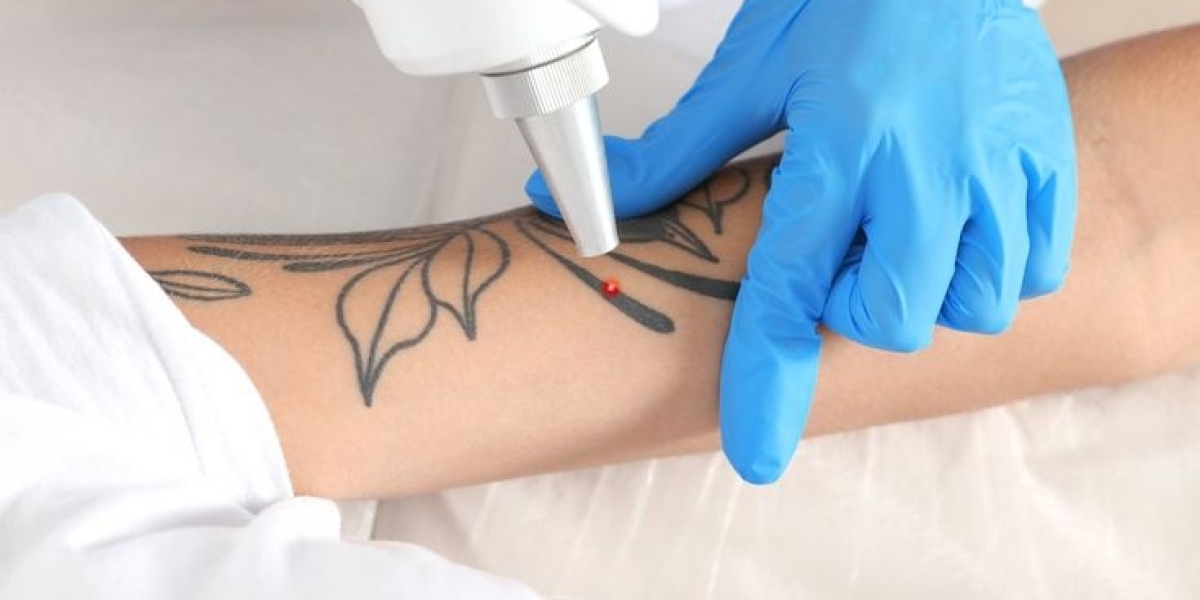
Achieving the best results from your Permanent tattoo removal in Riyadh (إزالة الوشم الدائم في الرياض)starts long before you step into the clinic. While the laser does the work of shattering the ink, your skin’s condition and your body’s immune health determine how efficiently that ink is cleared. Proper preparation minimizes the risk of side effects like blistering or pigmentation changes and ensures your "cleanup crew"—the lymphatic system—is ready to perform. By following a disciplined pre-treatment regimen, you can accelerate your progress toward a clean slate.
1. Guard Against the Sun
Sun exposure is the primary obstacle to a successful laser session. In Riyadh's high-UV environment, protecting your skin is non-negotiable.
Avoid Tanning: Stay out of direct sunlight and avoid tanning beds for at least 4 weeks prior to your session. Tanned skin has higher melanin levels, which can distract the laser from the ink and increase the risk of burns or hypopigmentation (white spots).
Use Broad-Spectrum SPF: Apply a high-SPF sunscreen (SPF 50 is ideal) to the tattoo daily, even if it is covered by clothing.
Heal Sunburns First: If you arrive with a sunburn or peeling skin, your session will likely be rescheduled to prevent permanent skin damage.
2. Optimize Your Internal "Cleanup Crew"
Laser removal is an immune-mediated process. Your body must be healthy enough to flush away the shattered ink particles.
Hydrate Aggressively: Start drinking at least 2–3 liters of water daily in the week leading up to your appointment. Hydrated skin is more resilient and heals significantly faster.
Quit or Cut Back on Smoking: Nicotine constricts blood vessels and slows down the lymphatic system. Non-smokers typically see faster fading because their circulation is more efficient at removing shattered ink.
Eat a Balanced Meal: Never arrive for a session on an empty stomach. A nutritious meal helps stabilize your blood sugar, making you less likely to feel lightheaded during the procedure.
3. Medication and Skin Care Adjustments
Certain products and medications can make your skin hypersensitive to light or increase the risk of bruising.
Avoid Blood Thinners: Unless medically necessary, avoid aspirin, ibuprofen (Advil/Motrin), fish oil, and Vitamin E for 3–7 days before treatment. These can increase bruising and bleeding at the site. (Note: Use Acetaminophen/Tylenol if you need pain relief, as it does not thin the blood).
Pause Photosensitizing Skincare: Stop using Retin-A, AHAs, BHAs, or chemical exfoliants on or around the tattoo for at least 2 weeks. These products thin the skin's barrier and can lead to severe irritation when combined with a laser.
Inform Your Specialist: If you are taking antibiotics or medications like Accutane, be sure to disclose this during your consultation, as they can cause extreme light sensitivity.
4. Day-of-Treatment Checklist
On the day of your appointment, simplicity is key to a smooth session.
Clean the Area: Arrive with skin that is free of lotions, perfumes, oils, or makeup. These substances can interfere with the laser’s energy or cause an adverse reaction.
Shave if Necessary: If the tattoo is in a hairy area, gently shave the site 24 hours before. Avoid shaving on the day of the session to prevent micro-nicks that could become irritated.
Wear Loose Clothing: Choose breathable, loose-fitting clothes that won't rub against the treated area afterward. If your tattoo is on your leg, shorts are ideal; for an arm tattoo, a sleeveless shirt works best.
Numbing Preparation: If your clinic has provided a topical numbing cream to apply at home, follow their timing instructions precisely (usually 60–90 minutes before the session) and cover it with plastic wrap to keep it active.
The Foundation for Faster Fading
Preparing your skin is the first half of the removal journey. When you present a healthy, hydrated, and sun-protected canvas to your specialist, the laser can work at its most effective settings without compromising safety. This proactive approach not only makes the session more comfortable but also sets the stage for the most dramatic fading possible during your recovery weeks.