
What to Know Before Getting Liposuction in Riyadh: A Patient’s Checklist
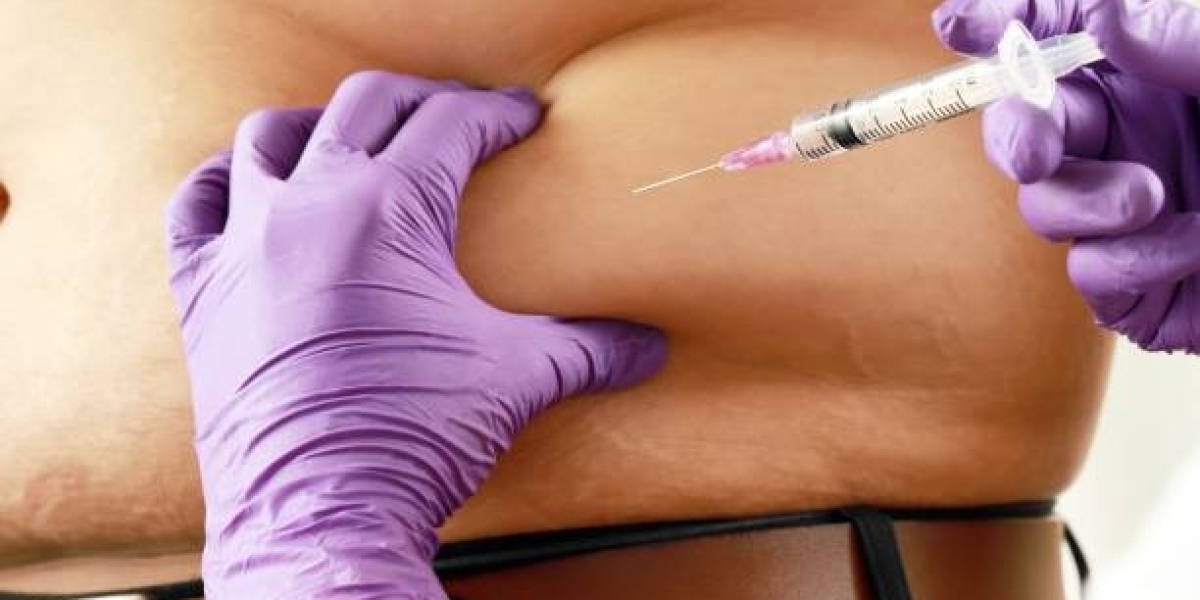
Making the decision to undergo a body contouring procedure is an exciting step toward achieving your aesthetic goals, but thorough preparation is the key to a successful outcome. Liposuction surgery in Riyadh( شفط الدهون في الرياض) has become a highly refined process, and being an informed patient ensures that you navigate the journey with confidence and safety. While the procedure itself is relatively straightforward, the weeks leading up to your surgery and the immediate days following it require a structured plan. From medical clearances to logistical arrangements, having a comprehensive checklist allows you to focus entirely on your healing and the transformation of your silhouette.
Step 1: Confirming Your Candidacy
The first item on your checklist should be a realistic assessment of whether you are the right fit for the procedure. Liposuction is most effective when used as a contouring tool rather than a weight-loss method.
Stable Weight: You should ideally be within 10 to 15 kilograms of your target weight.
Skin Elasticity: Your skin needs to be firm enough to "snap back" over the new contours once the fat is removed.
Health Markers: You should be in good overall health, free from active infections or chronic conditions that could impede the healing process.
Step 2: The Pre-Surgical Medical Protocol
Once you have decided to move forward, your medical preparation begins in earnest. In Riyadh’s top-tier clinics, this usually involves a series of safety checks and lifestyle adjustments starting at least two to three weeks before your date.
Laboratory Testing: Complete all required blood work and medical evaluations (such as an ECG) promptly to ensure you are cleared for anesthesia.
Medication Review: You must stop taking blood-thinning agents, including aspirin, ibuprofen (Advil/Motrin), and certain herbal supplements like Vitamin E or fish oil, as these can increase bruising and bleeding.
Nicotine Cessation: Smoking and vaping significantly restrict blood flow to the skin and can lead to poor wound healing. Most surgeons require patients to be nicotine-free for at least two to four weeks before and after surgery.
Alcohol Restriction: Avoid alcohol for at least 48 to 72 hours before your procedure, as it can interfere with the anesthesia and cause dehydration.
Step 3: Organizing Your "Recovery Nest"
Because your mobility will be limited during the first few days, preparing your home environment in advance is essential. This allows you to rest without the stress of daily chores.
Stock the Pantry: Prepare or buy easy-to-digest, low-sodium meals. High salt intake can exacerbate post-operative swelling.
Hydration Station: Keep plenty of water and electrolyte-rich drinks nearby to help your body recover from the fluids lost during the procedure.
Comfort Essentials: Ensure you have extra pillows to prop yourself up, as elevation helps reduce swelling.
Clean Linens: Use dark-colored sheets and towels for the first 48 hours, as it is normal for some "tumescent fluid" (the saline used during surgery) to leak slightly from the incision sites.
Step 4: The Day of the Procedure
On the morning of your surgery in Riyadh, follow these final "Day-Of" instructions to ensure everything goes smoothly at the facility:
Fasting: Follow your fasting instructions strictly—usually no food or water after midnight if you are undergoing general anesthesia.
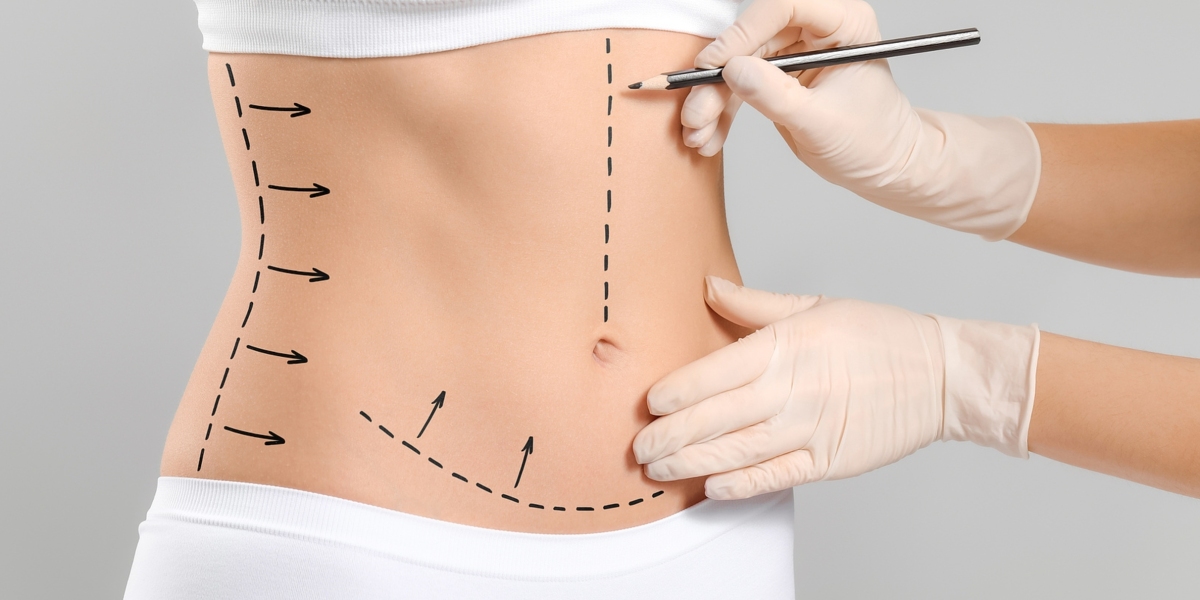
Hygiene: Shower with an antibacterial soap but do not apply any moisturizers, perfumes, deodorants, or hair products. These can interfere with surgical markings and sterile environments.
Attire: Wear loose, comfortable clothing (such as a zip-up hoodie and sweatpants) and slip-on shoes. Avoid wearing any jewelry or contact lenses.
Transportation: Arrange for a responsible adult to drive you home and stay with you for at least the first 24 hours. You will not be permitted to drive yourself.
Step 5: Post-Operative Supplies
While your surgical team will provide the basics, having a few extra supplies on hand can make the recovery much more comfortable:
Additional Compression Garments: You will need to wear your compression garment 24/7 for the first few weeks. Having a second one allows you to wash one while wearing the other.
Over-the-Counter Relief: While you will be prescribed pain medication, having Paracetamol (Tylenol) on hand for the later stages of recovery is helpful.
Loose Undergarments: If you are treating the midsection or thighs, loose-fitting cotton undergarments are most comfortable beneath your compression suit.
Step 6: Managing Expectations and Mental Readiness
The final check on your list is a mental one. It is important to remember that liposuction results are not immediate. For the first two weeks, you may actually feel heavier due to swelling and fluid retention. Understanding the timeline—where swelling peaks at 48 hours and final results appear at 3 to 6 months—will help you remain patient and positive during the healing phase.
Conclusion
A successful liposuction experience in Riyadh is built on the foundation of diligent preparation. By checking off each requirement—from lifestyle changes to home readiness—you significantly reduce the risk of complications and set the stage for a smooth, rapid recovery. When you walk into the clinic prepared, you are not just a patient; you are an active participant in your own transformation, ready to achieve the sculpted, confident look you’ve planned for.