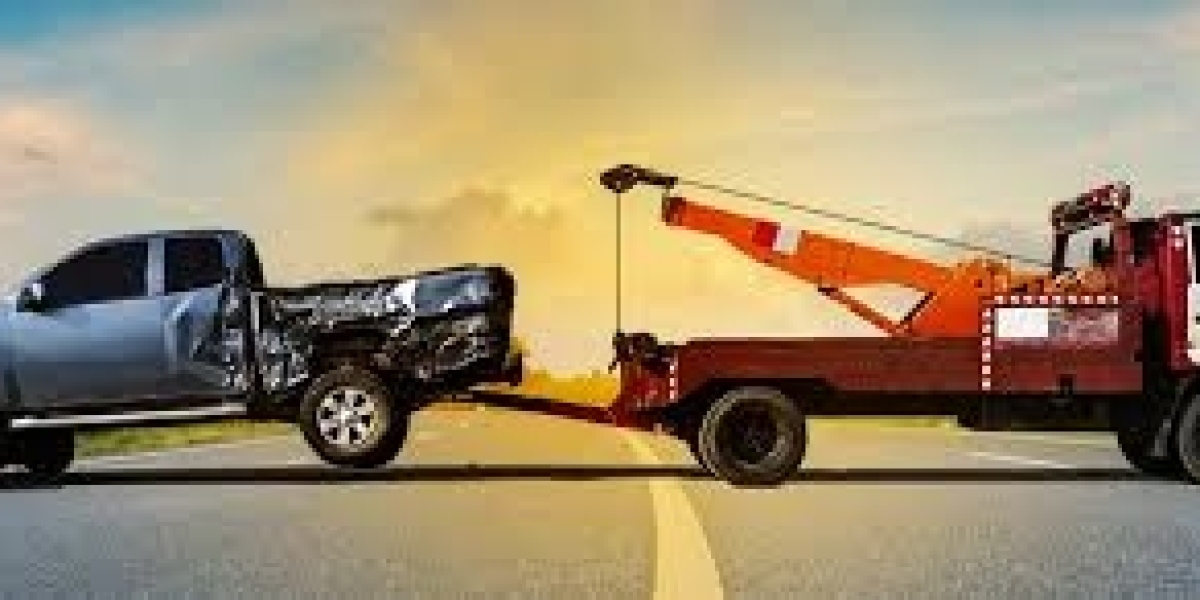

Selling a car for cash has become a common choice for many Australians. Some cars no longer run, some are too old, and others require expensive repairs. The promise of immediate cash attracts people, but many wonder what happens to their vehicles once they leave the driveway. Understanding the journey of a car after a cash sale reveals how these vehicles continue serving the automotive system even after leaving their owner.
Why People Choose Cash for Cars
People often sell cars for cash because it is faster than trading in or selling privately. Many cars that are sold in this way are old, damaged, or no longer needed. Even cars that seem useless may hold working parts, and dismantlers see value where others do not.
Cash for cars services offer a way to safely remove unwanted vehicles. While owners receive payment, the vehicles enter a system that recycles or reuses them.
The Initial Assessment
When a cash for cars service receives a vehicle, the first step is assessment. The car is inspected for:
Engine and transmission condition
Body panels and structural integrity
Electrical systems and sensors
Tyres, suspension, and brakes
This inspection determines which parts are reusable and which need recycling. Even heavily damaged vehicles may still provide engines, gearboxes, or panels that extend the life of other cars.
Dismantling: Breaking Down the Car
After assessment, the vehicle is dismantled. Parts that can be reused are carefully removed. Engines, transmissions, alternators, radiators, and suspension parts often survive well even if the car is no longer drivable.
Body panels, doors, and hoods are inspected and stored. Minor damage may not affect their usefulness for another vehicle. Electronics like sensors, wiring harnesses, and control units are tested and kept if they function correctly.
Parts that cannot be reused are separated for recycling. Steel, aluminium, copper, and plastics are processed for new products. This keeps materials out of landfill and reduces the need for fresh resources.
How Vehicles Are Recycled
Vehicles that are not fully reusable still hold environmental value. Fluids such as oil, coolant, and fuel are drained and disposed of safely. Metals are sorted and melted down for new manufacturing. Rubber, plastics, and glass are sent for recycling wherever possible.
Recycling vehicles is not only practical but also necessary. Abandoned cars left to deteriorate leak harmful substances into soil and water. Proper processing prevents this and ensures that even the most damaged vehicles continue contributing to the system.
Supporting the Automotive Supply Chain
The parts salvaged from cash for cars vehicles often support older cars that remain in use. Mechanics and workshops rely on these parts for repairs that might otherwise be impossible. Engines, gearboxes, and other components from dismantled cars keep vehicles roadworthy.
Many Australians drive older cars that require maintenance that new parts may not cover. Salvaged parts from unwanted cars provide a vital source of components that extend the life of these vehicles.
Regional Dependence on Salvaged Parts
In regional and rural areas, access to new car parts is often limited. Vehicles there tend to stay in use for longer. Salvaged parts from cash for cars services provide crucial replacements, helping drivers continue to operate safely.
Without this system, many older vehicles would be forced off the road. Salvage networks create a chain that keeps vehicles running and communities mobile.
How Cash for Cars Benefits Everyone
Selling a car for cash removes unwanted vehicles from private property and provides immediate funds. More importantly, the car itself enters a cycle of reuse and recycling. Parts are salvaged, reused, and recycled. Metals and materials return to manufacturing.
This process reduces environmental impact, supports repair networks, and ensures materials are efficiently used. Even cars that seem worthless still play a valuable role.
A Practical Example: North Coast Wreckers
A service like North Coast Wreckers demonstrates this system in practice. Vehicles collected through cash for cars operations are dismantled carefully. Engines, transmissions, and panels are tested and stored, ready to support other cars that need them. Their network, North Coast Car Wreckers, helps workshops access these parts, keeping older cars operational. This process allows owners to receive cash while contributing to the wider automotive and recycling ecosystem.
Safety and Compliance
All parts removed from dismantled vehicles undergo checks to meet safety and roadworthy standards. Fluids are handled correctly, and hazardous materials are disposed of in line with regulations. This ensures that reused components do not pose risks to drivers or the environment.
The Journey Beyond the Road
A car sold for cash is rarely destroyed immediately. Its life continues in many forms: as a part for another vehicle, as recycled metal, or as material for new manufacturing. Understanding this journey highlights the hidden value of unwanted cars.
Owners may see a single payment, but the vehicle itself contributes to repairs, material recovery, and environmental protection. Cash for cars is more than a sale; it is a part of a system that keeps vehicles moving, reduces waste, and maintains parts availability across Australia.
Conclusion
Cars that are sold for cash continue to provide value long after they leave the driveway. Through dismantling, parts reuse, and recycling, every vehicle contributes to the automotive system. Cash for cars services like North Coast Wreckers and their North Coast Car Wreckers network play a key role in ensuring vehicles, parts, and materials are used efficiently. What seems like the end of a car is often the beginning of a new purpose.