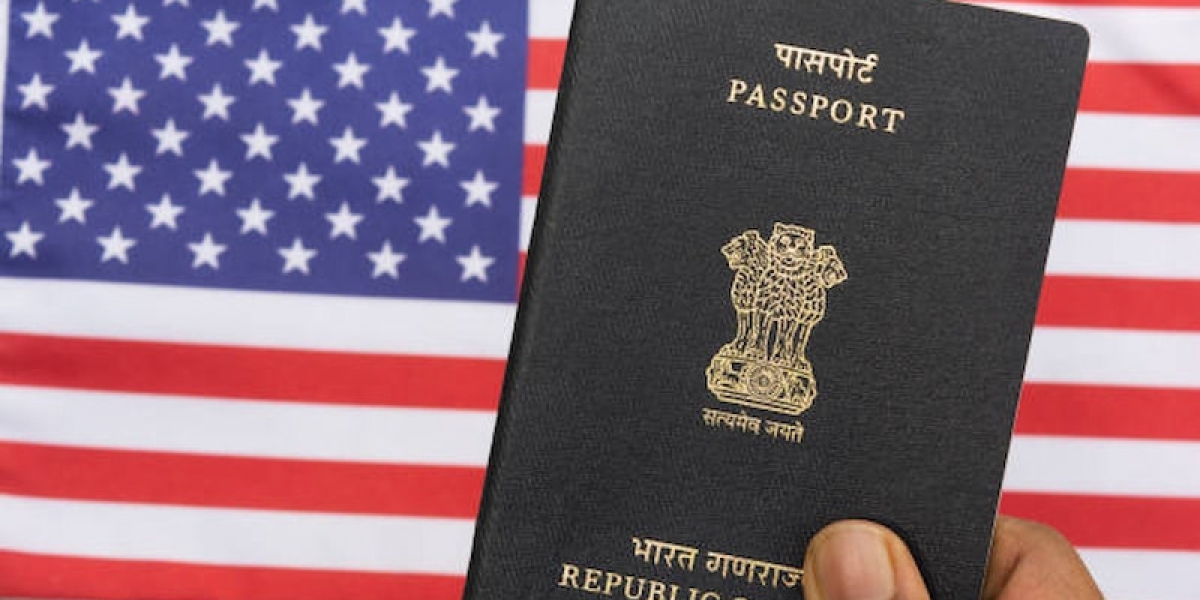

Traveling to the United States is a dream for millions of people worldwide. From iconic cities to world-famous national parks, the country offers unmatched diversity. However, many first-time applicants are often surprised by how detailed and cautious the US visa approval process can be. Understanding why the system is strict—and how to prepare correctly—can significantly improve your chances of a successful application.
This article explains the logic behind the strict screening, the key factors visa officers assess, and practical steps first-time travelers should take before applying.
Understanding the Purpose of the US Visa Screening System
The United States receives one of the highest numbers of visa applications globally every year. To manage this volume while maintaining national security and immigration control, the US government follows a structured and highly regulated evaluation process.
Immigration Law Presumption
Under US immigration law, every applicant for a visitor visa is presumed to be an intending immigrant unless they prove otherwise. This means the responsibility lies entirely with the applicant to demonstrate that:
Their visit is temporary
They have strong reasons to return to their home country
They will comply with visa conditions
This legal framework is one of the main reasons the approval process feels strict, especially for first-time travelers with no international travel history.
Why First-Time Travelers Face Extra Scrutiny
Lack of Travel History
For applicants who have never traveled internationally—or have limited travel experience—it can be harder to establish credibility. Previous travel to countries with strict immigration controls (such as the UK, Schengen states, or Australia) often reassures visa officers that an applicant respects visa rules.
Without this background, officers rely more heavily on documents, interview responses, and overall profile consistency.
High Overstay and Misuse Concerns
The US authorities closely monitor visa overstays and unauthorized employment. Statistically, first-time travelers are considered higher risk because there is no previous record proving compliance with visa terms.
This does not mean first-time applicants are treated unfairly—but they are evaluated more carefully.
Key Factors US Visa Officers Evaluate
Strong Ties to Home Country
One of the most important approval factors is proof of strong ties to your home country. These ties reassure the officer that you will return after your visit.
Examples include:
Stable employment or business ownership
Regular income and tax records
Property ownership or long-term lease
Immediate family residing in your home country
The stronger and more verifiable these ties are, the better your chances.
Financial Capability
Applicants must demonstrate that they can afford their trip without working illegally in the US. This includes:
Bank statements showing sufficient balance
Salary slips or income proof
Sponsorship documents (if applicable)
Visa officers are trained to spot inconsistencies between income and travel plans, such as luxury itineraries with limited financial backing.
Purpose of Travel Clarity
Your reason for travel must be clear, specific, and realistic. Common acceptable purposes include:
Tourism and sightseeing
Visiting friends or relatives
Attending short business meetings or conferences
Vague answers or conflicting explanations during the interview often lead to refusal.
The Role of the Visa Interview
Why the Interview Matters So Much
The interview is not a formality—it is a critical assessment tool. Officers are trained to evaluate:
Confidence and honesty
Consistency with the application form
Body language and clarity of intent
Most decisions are made within a few minutes, based on how well you communicate your travel purpose and personal situation.
Common Interview Mistakes by First-Time Applicants
Over-explaining or giving unnecessary details
Memorized or scripted answers
Providing documents only when asked but not understanding them
Showing uncertainty about travel plans
Preparation is essential, but authenticity is even more important.
Documentation: What Really Matters
Essential Supporting Documents
While documents alone do not guarantee approval, they support your verbal statements. Key documents usually include:
Valid passport with travel history (if any)
Employment letter or business registration
Bank statements (last 6 months)
Tax returns or income proof
Travel itinerary (not flight tickets unless advised)
Having genuine, well-organized documentation strengthens your profile significantly.
Consistency Is Crucial
Any mismatch between your documents and interview answers—such as income discrepancies or unclear employment status—can raise red flags. Accuracy and consistency matter more than volume.
Why Rejection Rates Can Be High
Section 214(b) Refusals Explained
Many first-time travelers receive refusals under Section 214(b), which indicates failure to prove non-immigrant intent. This is not a permanent rejection and does not mean you are banned.
It simply means your application did not sufficiently demonstrate:
Temporary travel intent
Strong home-country ties
Applicants are free to reapply once their circumstances improve.
How First-Time Travelers Can Improve Approval Chances
Build a Strong Profile Before Applying
Practical steps include:
Gaining international travel experience
Stabilizing employment or business records
Maintaining clean financial statements
Preparing a realistic travel plan
Seek Professional Guidance
Working with experienced travel consultants, such as go kite tours, helps applicants understand the process, avoid common mistakes, and present their case clearly—without false promises or shortcuts.
Is the Process Fair or Just Strict?
The US visa system is strict, but it is not arbitrary. It follows clear laws designed to balance tourism, security, and immigration control. Applicants who understand these rules and prepare accordingly often succeed—even on their first attempt.
Conclusion: Understanding the Logic Makes All the Difference
The US visa approval process may appear intimidating, especially for first-time travelers, but its strictness is rooted in legal requirements and risk management—not personal bias. By understanding what visa officers look for and preparing thoroughly, applicants can approach the interview with confidence and clarity.
If your goal is to travel on a US tourist Visa, the key lies in honest intent, strong documentation, and realistic planning. With the right preparation and expert support, first-time travelers can navigate the process successfully and turn their American travel dreams into reality.