
PRP Hair Treatment has gained widespread recognition as an innovative, non-surgical approach for hair restoration. By utilizing the patient’s own blood to stimulate natural hair regrowth, this therapy targets thinning hair and early hair loss with minimal downtime. Understanding the science behind PRP allows patients to make informed decisions and set realistic expectations for treatment outcomes.
What Is PRP Hair Treatment and How It Works:
PRP, or Platelet-Rich Plasma, is a component of the blood enriched with platelets and growth factors.
A small amount of blood is drawn from the patient
The blood is processed in a centrifuge to separate platelet-rich plasma
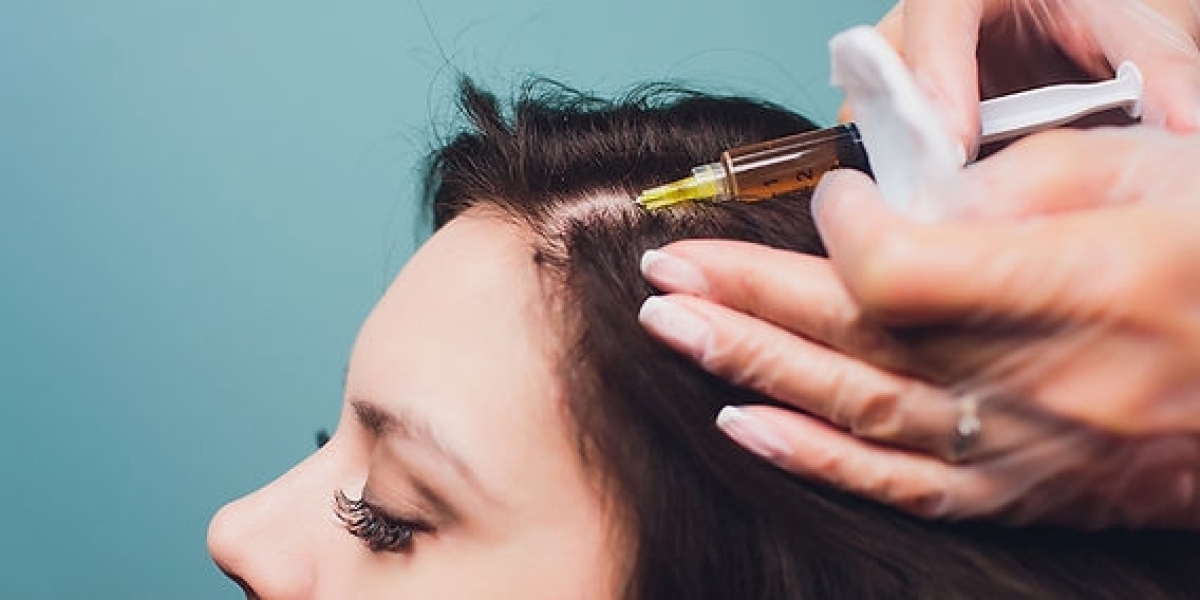
PRP is injected into the scalp, targeting thinning areas and dormant follicles
Growth factors within the plasma stimulate cell regeneration, blood flow, and follicle activity
The treatment leverages the body’s natural healing processes, making it a safe and regenerative approach to hair restoration.
Who Can Benefit From PRP Therapy:
PRP Hair Treatment is most effective for individuals in the early stages of hair loss.
Suitable for those with androgenetic alopecia (male or female pattern baldness)
Individuals with thinning hair due to stress, hormonal imbalance, or minor scalp injury
Patients with healthy scalp tissue and functioning follicles have higher success rates
Those with complete bald patches may experience limited results
A consultation with a qualified hair specialist ensures that PRP is an appropriate option for your hair condition.
The Role of Platelets in Hair Regrowth:
Platelets are small blood cells essential for clotting and tissue repair, playing a key role in PRP therapy.
Contain growth factors such as PDGF, VEGF, and EGF
Stimulate dermal papilla cells to reactivate dormant hair follicles
Increase blood circulation to the scalp, providing essential nutrients to hair follicles
Strengthen existing hair shafts and improve overall follicle health
By concentrating platelets and injecting them directly into the scalp, PRP accelerates natural hair regeneration.
The PRP Procedure Step-by-Step:
The procedure is straightforward, usually completed within an hour in a clinical setting.
Blood is drawn from the patient, typically 20–60 ml depending on the treatment area
The blood is centrifuged to isolate platelet-rich plasma
PRP is injected into thinning areas using fine needles for precision
The session lasts 30–60 minutes, and patients can resume normal activities immediately
Proper technique and clinical expertise are essential for maximizing the effectiveness of PRP Hair Treatment.
Expected Results and Timeline:
PRP Hair Treatment offers gradual improvements rather than instant hair growth.
Initial signs of hair thickening may appear after 3–4 months
Optimal results are typically achieved between 6–12 months after multiple sessions
A typical treatment plan involves 3–6 sessions spaced 4–6 weeks apart
Maintenance treatments every 4–6 months help preserve hair density and follicle activity
Consistency in following the recommended schedule is crucial for achieving noticeable results.
PRP Combined With Other Hair Loss Solutions:
Combining PRP with complementary treatments can enhance outcomes.
Topical Minoxidil or oral Finasteride may stimulate additional hair growth
Microneedling improves PRP absorption and scalp rejuvenation
Low-Level Laser Therapy (LLLT) increases blood circulation and follicle health
Adequate nutrition and scalp care support overall hair restoration
A multi-modal approach often results in faster, more significant improvements.
Safety and Potential Side Effects:
PRP Hair Treatment is generally safe because it uses the patient’s own blood.
Minimal risk of allergic reactions
Possible mild side effects include redness, swelling, tenderness, or minor bruising
Side effects typically resolve within a few days
Following post-treatment guidelines reduces the risk of infection or irritation
The autologous nature of PRP makes it a low-risk, well-tolerated procedure for most adults.
Common Myths About PRP Hair Restoration:
There are several misconceptions surrounding PRP that patients should be aware of.
Myth: “PRP guarantees full hair restoration” – results depend on follicle health and genetics
Myth: “Hair regrowth is immediate” – results appear gradually over months
Myth: “PRP is experimental” – it is a clinically studied and widely practiced therapy
Myth: “All patients respond the same way” – outcomes vary based on age, hair type, and scalp condition
Understanding the facts helps manage expectations and improves patient satisfaction.
Maintenance and Longevity of Results:
PRP results can be maintained with periodic sessions and proper hair care.
Visible improvements may last 12–18 months depending on individual factors
Regular maintenance treatments sustain hair density and follicle activity
Healthy diet, scalp care, and lifestyle support long-term hair health
Combining PRP with other hair treatments may extend the duration of results
Commitment to follow-up treatments is key to ensuring lasting benefits from PRP Hair Treatment.
Final Thoughts
PRP Hair Treatment is a scientifically backed, minimally invasive solution for stimulating natural hair regrowth. By understanding the role of platelets, the procedure process, and expected outcomes, patients can approach hair restoration with realistic expectations. With consistent treatment, proper care, and the guidance of a qualified hair specialist, PRP can effectively improve hair density, strengthen existing follicles, and restore confidence in individuals experiencing thinning hair or early hair loss.