
Why Disposable Wooden Coffee Stirrers Deserve More Attention
Coffee stirrers rarely get noticed. They’re picked up, used for a few seconds, and thrown away without a second thought. Yet that tiny moment adds up—especially in cafés, offices, events, and takeaway counters where hundreds are used daily. Disposable wooden coffee stirrers quietly solve a practical need while also addressing growing concerns about hygiene, sustainability, and everyday waste.
This article takes an awareness-focused look at why these simple tools matter more than they seem, and why many businesses and individuals are deliberately choosing wood over plastic.
The Hidden Problem with “Just a Stirrer”
For years, plastic stirrers were the default. Cheap, lightweight, and widely available, they felt harmless. The issue wasn’t obvious at the cup level—it was systemic. Plastic stirrers are too small to recycle easily, too light to be captured by waste systems, and too numerous to ignore.
Wooden stirrers emerged as a response to this problem, not as a trend, but as a correction. Made from natural wood, they’re designed for single use without leaving a permanent footprint behind.
What surprises many people is how seamlessly they replace plastic. There’s no learning curve, no compromise in function. You stir, you’re done—and the impact ends there.
Why Wood Works Better Than You Expect
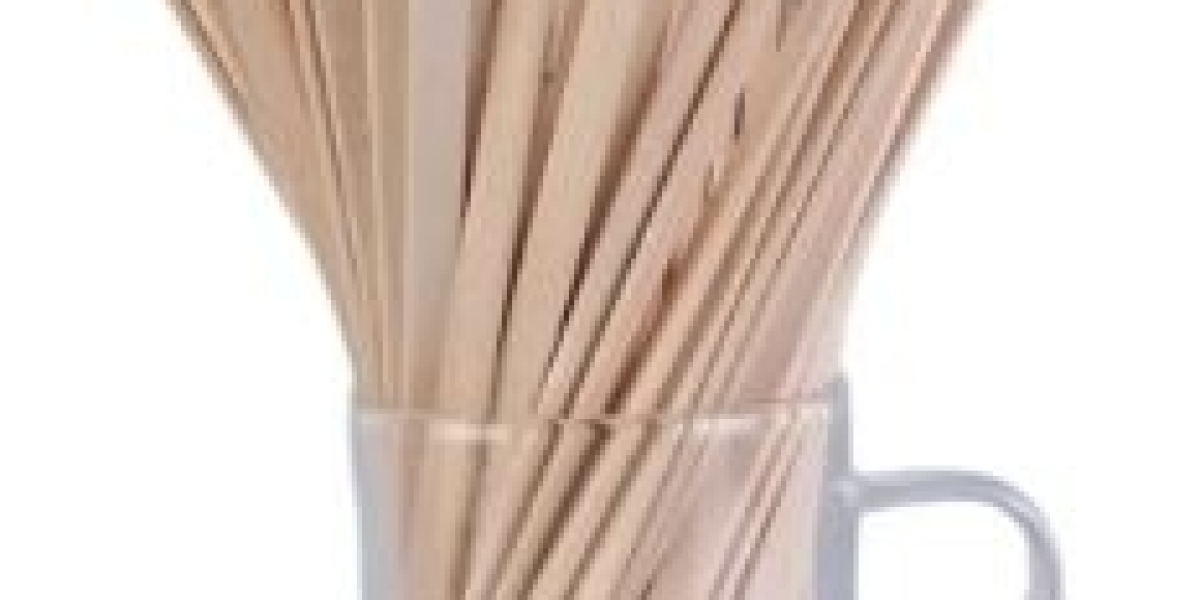
There’s a misconception that wooden stirrers are rough, weak, or unpleasant to use. In reality, quality wooden coffee stirrers are smooth-edged, splinter-free, and sturdy enough for hot beverages.
From a sensory perspective, they actually improve the experience. Wood doesn’t conduct heat the way plastic can, so it feels more comfortable in hot drinks. It also doesn’t leach flavors or leave a synthetic aftertaste, which matters to people who care about how their coffee actually tastes.
Functionally, they’re dependable:
Strong enough for thick drinks like lattes or hot chocolate
Neutral in taste and smell
Safe for hot beverages without softening
They do their job quietly and effectively—exactly what a stirrer should do.
A Simple Shift Toward Responsible Consumption
One of the most compelling reasons wooden stirrers are gaining popularity is how easy the switch is. Unlike reusable cups or complex recycling systems, this change requires no behavior adjustment from the user.
For cafés and offices, offering wooden stirrers sends a subtle signal. It shows awareness without preaching. Customers don’t need an explanation; the material speaks for itself.
From an environmental standpoint, wood is renewable and biodegradable. When disposed of properly, it breaks down naturally instead of persisting for decades. While no disposable item is perfect, wooden stirrers represent a more responsible endpoint for a product designed to be used once.
Where Disposable Wooden Coffee Stirrers Fit Best
These stirrers aren’t limited to coffee shops. Their simplicity makes them useful across many settings:
Office pantries and meeting rooms
Catering setups and corporate events
Coffee carts, kiosks, and takeaway counters
Home use for guests or gatherings
They’re lightweight, easy to store, and hygienic—each stirrer is used once, reducing cross-contact concerns. For high-traffic environments, that matters as much as sustainability.
EcoProduct
Thoughtful disposables don’t happen by accident. EcoProduct focuses on everyday items that balance usability with environmental awareness. Their disposable wooden coffee stirrers are designed to be smooth, reliable, and consistent in quality—small details that make a difference at scale. More information about their approach and product range is available at ecoproduct.pk, where practicality and responsibility go hand in hand.
The Quiet Power of Small Choices
It’s easy to overlook items that seem insignificant. But when used hundreds or thousands of times a day, small choices become meaningful. Disposable wooden coffee stirrers don’t claim to solve every environmental challenge—but they do eliminate an unnecessary one.
They’re proof that better options don’t have to be complicated, expensive, or inconvenient. Sometimes, progress looks like a simple wooden stick doing its job and disappearing without a trace.