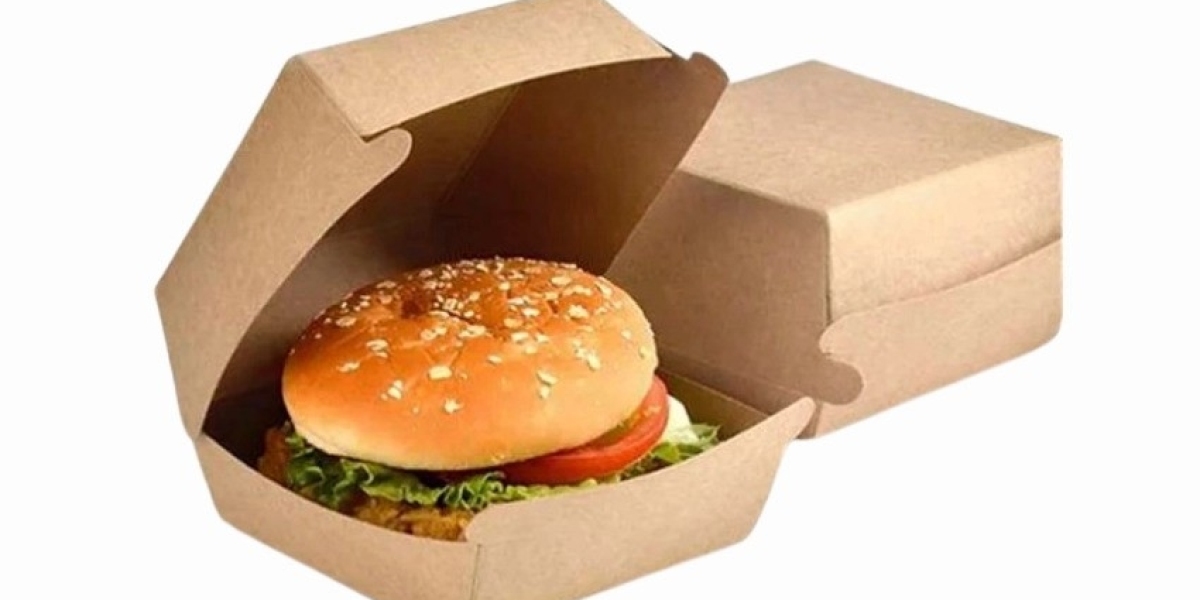

Why the Kraft Single Burger Box Matters More Than You Think
A great burger isn’t just about the patty, sauce, or bun—it’s also about how it arrives in the customer’s hands. Soggy bottoms, squashed buns, and leaking sauces are common delivery complaints, and they often have nothing to do with the food itself. This is where the Kraft Single Burger Box quietly solves a problem many food businesses underestimate: protecting the burger experience from kitchen to customer.
This article takes a problem-solving angle, focusing on how the right packaging directly impacts food quality, brand perception, and repeat orders.
The Real Problem with Burger Packaging in Takeaway and Delivery
Burger joints and cafes face a unique challenge. Burgers are hot, moist, layered, and delicate. Traditional wrapping paper or flimsy boxes often fail under real-world conditions like long delivery routes, stacked orders, or steam buildup.
Common issues include:
Condensation making buns soggy
Boxes collapsing under weight
Grease seeping through packaging
Burgers sliding apart during transport
A Kraft Single Burger Box is designed specifically to address these problems. Its rigid structure keeps the burger intact, while kraft material naturally absorbs excess moisture without weakening. Instead of fighting against heat and steam, the box works with them.
How a Kraft Single Burger Box Preserves Food Quality
The strength of kraft packaging lies in its balance between durability and breathability. Unlike plastic or foil-heavy solutions, kraft paperboard allows minimal airflow, which helps regulate steam without letting the burger dry out.
Key functional benefits include:
Structural support that prevents bun compression
Heat retention without trapping excessive moisture
Leak resistance for sauces, cheese, and juices
Easy stacking for delivery bags and counters
For customers, this translates into a burger that still looks appetizing when the box opens. For businesses, it reduces complaints, refunds, and negative reviews tied to packaging failure rather than food quality.
Why Single-Serve Burger Boxes Make Operational Sense
Single burger boxes may seem like a small detail, but operationally, they streamline workflows. Staff can pack faster without worrying about wrapping technique, while standardized box sizes improve storage and inventory planning.
They’re especially useful for:
Cloud kitchens and delivery-only brands
Food trucks with limited prep space
High-volume takeaway counters
Events and pop-ups needing speed and consistency
Because the box is purpose-built for one burger, portion control stays consistent, presentation remains clean, and packing errors decrease. Over time, these small efficiencies add up to smoother service during peak hours.
Sustainability and the Growing Preference for Kraft Packaging
Today’s customers are increasingly aware of what their food comes in, not just what’s inside it. Kraft packaging aligns well with this mindset. Made from paper-based materials, it’s widely recyclable and often perceived as more eco-conscious than plastic alternatives.
Beyond environmental considerations, kraft boxes carry a natural, honest aesthetic. They visually communicate simplicity, freshness, and care—qualities many modern food brands want associated with their menu. Even without printing, a plain kraft box feels intentional rather than generic.
Custom Box
Choosing the right Kraft Single Burger Box often comes down to material quality and structural reliability. Custom Box focuses on producing packaging that holds up under real food-service conditions, not just showroom testing. Their kraft burger boxes are designed with practical thickness, clean folds, and consistent sizing, making them suitable for everyday restaurant use. You can explore their packaging range at custombox.pk, where functionality and material standards are treated as essentials, not upgrades.
Conclusion
The Kraft Single Burger Box plays a quiet but critical role in modern food service. By solving common delivery and takeaway problems—without complicating operations—it protects both the burger and the brand behind it. For businesses focused on consistency, customer satisfaction, and long-term reputation, it’s a small packaging decision with a surprisingly big impact.