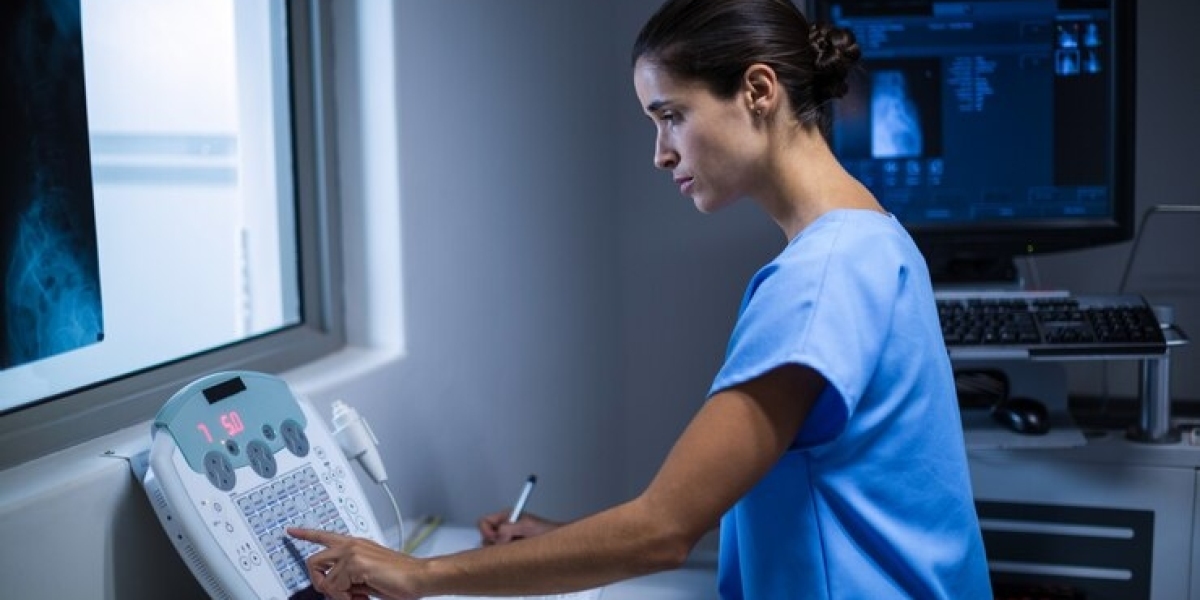

Introduction
In medical emergencies, every second matters. When someone arrives at the ER with stroke symptoms or severe trauma, doctors must act fast to save life and prevent long-term damage. Today, advanced imaging services powered by artificial intelligence (AI) are changing how emergency care works in Fort worth. These smart systems help doctors see injuries clearly, make faster decisions, and start treatment without delay.
This article explains, in easy words, how AI imaging at the ER of Fort Worth works, why it matters for stroke and trauma care, and how it improves patient safety and outcomes.
Understanding AI Imaging in Simple Terms
AI imaging uses smart computer systems to help doctors read medical scans more quickly and accurately.
What Is AI Imaging?
AI imaging combines:
Medical scans like CT, MRI, and X-ray
Artificial intelligence software
Fast data analysis
The AI reviews images and highlights possible problems for doctors, such as bleeding, blocked blood vessels, or internal injuries.
Why It Is Important in Emergency Care
In emergencies:
Time is limited
Symptoms may be unclear
Quick diagnosis saves lives
AI helps doctors act faster without replacing their expertise.
Why Fort Worth ERs Are Using AI Imaging
ERs in Fort worth serve a large and growing population. Emergency departments need tools that improve speed and accuracy.
Key Reasons for Adoption
High number of stroke and trauma cases
Need for 24/7 fast diagnosis
Pressure to reduce treatment delays
Focus on better patient outcomes
AI imaging supports ER teams when every minute counts.
Role of AI Imaging in Stroke Care
Stroke is one of the most time-sensitive emergencies.
Why Speed Matters in Stroke
Brain cells begin to die within minutes
Early treatment reduces disability
Delays can cause permanent damage
How AI Imaging Helps Stroke Patients
AI-powered scans can:
Detect bleeding in the brain quickly
Identify blocked blood vessels
Help doctors decide between medication or surgery
Reduce time to treatment
Benefits for Patients
Faster diagnosis
Better recovery chances
Lower risk of long-term disability
AI Imaging in Trauma and Injury Cases
Trauma patients often have multiple injuries that are not visible from the outside.
Common Trauma Situations
Car accidents
Falls
Workplace injuries
Sports-related trauma
How AI Imaging Improves Trauma Care
AI helps ER teams:
Spot internal bleeding early
Identify fractures quickly
Assess organ damage
Prioritize life-threatening injuries
This leads to faster decisions and better survival rates.
Types of Imaging Used in Fort Worth ERs
Modern ERs use several imaging tools enhanced by AI.
CT Scans
Fast and detailed
Ideal for stroke and trauma
AI highlights critical findings
MRI
Clear images of soft tissues
Used for brain and spinal injuries
AI improves image interpretation
X-Rays
Common for fractures and chest injuries
AI detects small or hidden issues
Ultrasound
Useful in trauma and abdominal injuries
AI helps guide quick assessments
Benefits of AI Imaging for Doctors and Patients
For Doctors
Faster image review
Reduced workload
Better decision support
Lower risk of missed findings
For Patients
Shorter wait times
Faster treatment
Improved safety
Better recovery outcomes
How AI Imaging Reduces ER Waiting Time
Long ER waits are stressful for patients and families.
AI imaging helps by:
Speeding up scan analysis
Prioritizing critical cases
Reducing repeat scans
Improving patient flow
This allows ER teams in Fort worth to treat more patients efficiently.
Accuracy and Safety of AI Imaging
AI systems are designed to assist, not replace, doctors.
Safety Measures
AI results are reviewed by trained physicians
Systems are tested and validated
Continuous monitoring improves accuracy
Reliability
Reduces human error
Works consistently day and night
Supports better clinical decisions
Impact on Patient Outcomes in Fort Worth
AI imaging has shown positive results in emergency care.
Improved Outcomes Include
Faster stroke treatment
Lower complication rates
Reduced hospital stays
Better long-term recovery
For the community of Fort worth, this means higher-quality emergency care.
AI Imaging and 24/7 Emergency Readiness
Emergencies do not follow a schedule.
AI imaging supports:
Overnight ER shifts
Weekend emergencies
High patient volume periods
This ensures consistent care at all times.
Future of AI Imaging at ER of Fort Worth
AI technology continues to improve.
What to Expect
Even faster scan analysis
More accurate detection
Better integration with patient records
Expanded use in other emergencies
Fort Worth ERs are moving toward smarter, more responsive care.
Why Patients Can Trust AI Imaging
Many patients worry about technology in healthcare.
Reasons to Feel Confident
Doctors remain in control
AI supports human expertise
Proven benefits in emergency care
Focus on patient safety
AI imaging is a tool designed to help people get better care faster.
FAQs
What is AI imaging in emergency care?
AI imaging uses smart software to help doctors quickly analyze medical scans and identify serious conditions.
Is AI imaging safe for patients?
Yes. It supports doctors but does not replace them. All results are reviewed by medical professionals.
How does AI imaging help stroke patients?
It quickly detects brain bleeding or blocked vessels, allowing faster treatment and better recovery.
Can AI imaging reduce ER wait times?
Yes. Faster scan analysis helps doctors make decisions quicker and treat patients sooner.
Is AI imaging available 24/7 in Fort Worth ERs?
Yes. AI systems support emergency care day and night.
Does AI imaging replace doctors?
No. It assists doctors by providing faster and clearer scan analysis.
For more information visit https://eroffortworthtx.com/services/imaging-services-in-fort-worth/