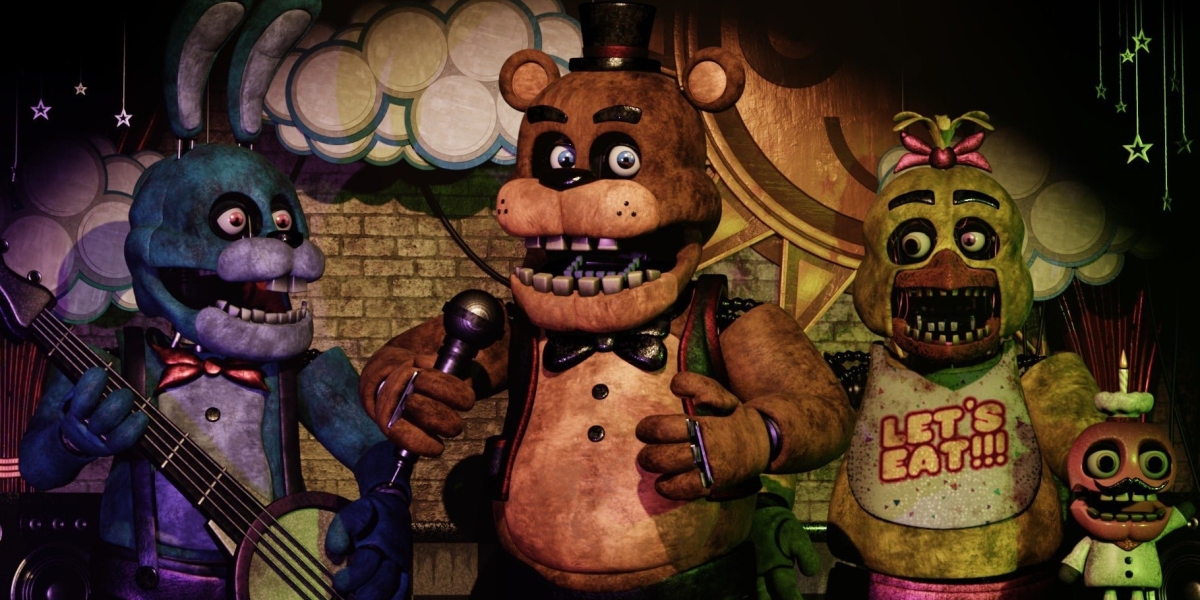

While it might not be the typical store management simulator, Five Nights At Freddy's presents a uniquely terrifying spin on the genre. It uses the framework of resource management – your dwindling power, your limited visibility, and your own sanity – to create a truly nail-biting experience. Forget about optimizing profit margins; here, survival is the only goal.
This article will break down how to "play" Five Nights At Freddy's as a store management game, exploring its core mechanics and offering tips for surviving those long, dark nights. Consider this a guide to understanding the unexpected management challenges hidden beneath the animatronic terror.
Gameplay: Managing Fear and Limited Resources
At its heart, Five Nights At Freddy's puts you in the role of a security guard for Freddy Fazbear's Pizza. But let's reframe that. You're essentially the night manager, responsible for keeping the restaurant (and yourself) safe until morning.
The gameplay revolves around monitoring surveillance cameras to track the movement of the animatronic characters: Freddy Fazbear, Bonnie the Bunny, Chica the Chicken, and Foxy the Pirate Fox. Each animatronic has a distinct movement pattern and poses a different threat. Your job is to prevent them from reaching your office.
This is where the "store management" aspect kicks in. You have limited resources:
Power: This is the big one. Your office runs on a limited power supply, which depletes every time you use the cameras, turn on the lights in the hallways, or close the security doors. Running out of power means certain doom, as the animatronics will be free to roam.
Doors: These are your primary defense against the animatronics. Closing them prevents entry, but drains your power significantly.
Lights: These allow you to briefly illuminate the hallways outside your office doors, revealing if an animatronic is lurking nearby. Again, they drain power.
Cameras: These allow you to monitor the animatronics' positions throughout the restaurant. Using them consumes power, but it's crucial for preventing surprises.
The game is a constant balancing act. You need to use your resources effectively to track the animatronics and defend yourself, all while carefully managing your power consumption. It's a high-stakes game of risk assessment and prioritization. Do you close the door now and risk running out of power later? Do you check the cameras frequently and drain your power faster? These are the crucial "management" decisions you must make every night.
Think of it like managing a retail store’s security system. You need to strategically deploy your resources (cameras, lights, doors – equivalent to security measures) to protect your assets (yourself and the restaurant) while operating within a limited budget (your power supply). A good manager anticipates threats and allocates resources accordingly.
Tips for Thriving (or at Least Surviving) the Night Shift
Okay, so surviving in a scary pizzeria isn't exactly like optimizing a supply chain, but some principles apply. Here are some tips for managing the unique challenges of Five Nights At Freddy's:
Conserve Power: This is paramount. Avoid unnecessary camera checks and only use the lights when you suspect an animatronic is nearby. Learn the movement patterns of each animatronic and predict their likely locations.
Prioritize Threats: Foxy is generally considered the most immediate threat, as he can move quickly if left unchecked. Pay close attention to Pirate Cove (Camera 1C) and react quickly if he starts to move.
Listen Carefully: Audio cues are crucial. You can often hear the animatronics moving in the hallways outside your office. Use this to your advantage to anticipate their attacks.
Develop a Strategy: Don't just react randomly. Develop a consistent routine for checking the cameras and managing your doors and lights. This will help you conserve power and stay organized.
Learn from Your Mistakes: You will fail. A lot. But each time you get jumpscared, analyze what went wrong. Did you check the cameras too often? Did you neglect a specific animatronic? Use your failures to improve your strategy.
Accept the Unpredictability: Sometimes, despite your best efforts, the animatronics will surprise you. Don't get discouraged. Part of the game's thrill is the element of unpredictability.
Conclusion: More Than Just a Jumpscare
Five Nights At Freddy's isn't just a horror game filled with jumpscares. It's a surprisingly engaging (and terrifying) store management game that forces you to make tough decisions under pressure. You are essentially managing a crisis – a nightly one – with limited resources. You need to prioritize, conserve, and adapt to survive.
While the animatronics might not be demanding inventory counts or complaining about the lack of employee parking, they present a unique set of management challenges. So, next time you play, try thinking of it as less of a horror game and more of a high-stakes resource management simulator. You might just find yourself surviving those nights a little bit easier… or at least a little bit longer. Good luck! And try not to scream too loud.