
Fractional CO2 laser treatment is a popular solution for skin rejuvenation, scar reduction, and anti-aging. While it is generally safe and effective, understanding the potential risks, side effects, and safety measures is essential before undergoing the procedure. Proper knowledge helps patients make informed decisions and achieve optimal results from CO2 laser treatment while minimizing complications.
How Fractional CO2 Laser Works:
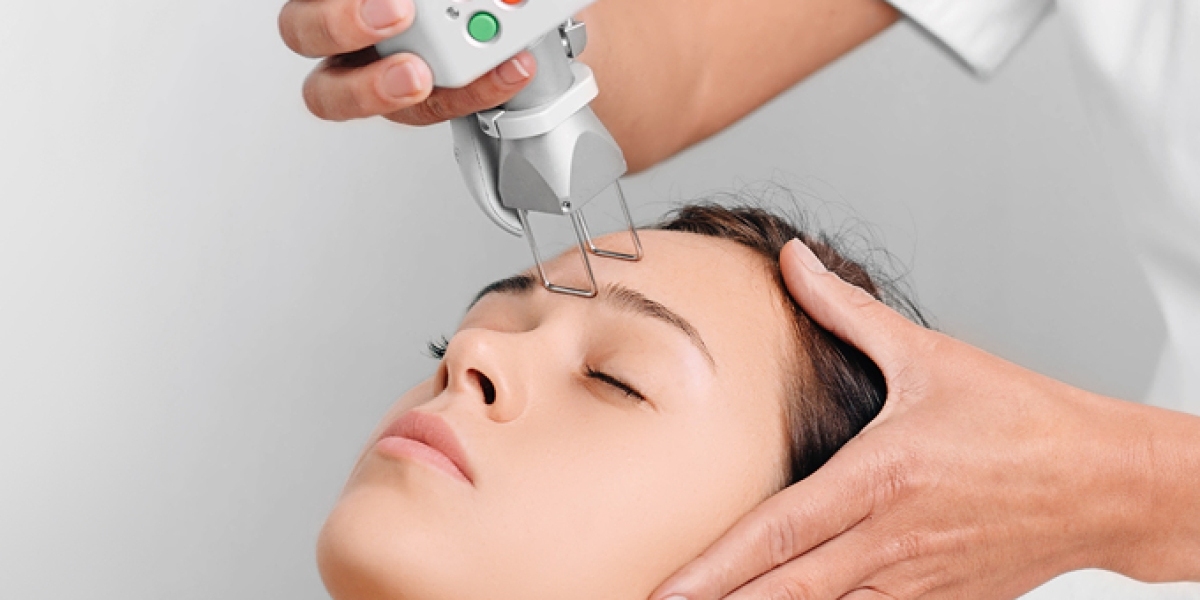
Fractional CO2 laser uses concentrated carbon dioxide beams to create microscopic channels in the skin. These controlled injuries stimulate collagen production and skin regeneration, improving texture, tone, and elasticity. The “fractional” approach treats only a portion of the skin at a time, which reduces downtime and lowers the risk of severe side effects compared to full-surface ablative lasers.
Common Side Effects:
Although generally safe, some side effects are common and temporary:
Redness and swelling for 2–7 days after treatment
Mild peeling or flaking as the skin heals
Temporary sensitivity, tingling, or itching
Minor bruising or discomfort in treated areas
Rare Complications and Risks:
While uncommon, certain risks may occur if treatment is not properly administered:
Infection due to inadequate hygiene or aftercare
Post-inflammatory hyperpigmentation, especially in darker skin types
Scarring from over-treatment or improper laser settings
Prolonged redness or irritation in sensitive individuals
Who May Be at Higher Risk:
Not all patients are equally suitable for CO2 laser treatment:
Individuals with active skin infections or chronic skin conditions like eczema or psoriasis
Patients with a history of keloid formation or abnormal scarring
Those taking photosensitive medications or isotretinoin
Pregnant or breastfeeding women, for whom laser safety is not fully established
Safety Measures During Treatment:
Proper safety protocols help minimize risks and ensure effective results:
Licensed dermatologists with experience in fractional CO2 lasers should perform treatments
Eye protection must be used for both patient and practitioner
Laser energy and settings should be customized for skin type and concern
Maintaining a clean and controlled treatment environment prevents infection
Pre-Treatment Precautions:
Preparing the skin before treatment reduces the likelihood of side effects:
Avoid sun exposure and tanning beds for at least two weeks prior
Discontinue certain skincare products, like retinoids or chemical exfoliants, as advised
Disclose all medications, supplements, and medical history to your dermatologist
Hydrate the skin adequately and follow pre-procedure cleansing instructions
Post-Treatment Care:
Proper aftercare is crucial for healing and minimizing complications:
Keep the treated area clean and apply prescribed soothing creams or ointments
Avoid direct sunlight and wear broad-spectrum sunscreen consistently
Do not pick, scratch, or use harsh skincare products on healing skin
Follow hydration, gentle cleansing, and recommended topical routines for faster recovery
Managing Discomfort and Redness:
Patients can take simple steps to alleviate common side effects:
Apply cool compresses to reduce swelling or discomfort
Use over-the-counter pain relief if approved by your dermatologist
Sleep with your head slightly elevated to reduce facial swelling
Avoid activities that may irritate the skin, such as strenuous exercise or hot showers
Long-Term Safety Considerations:
Maintaining long-term safety ensures lasting results:
Schedule follow-up visits to monitor healing and address any concerns
Avoid excessive sun exposure to prevent pigmentation changes
Continue a healthy skincare routine to maintain collagen production and skin health
Consider maintenance treatments as recommended by your dermatologist for gradual improvement
Expert Tips for Safe Fractional CO2 Laser Use:
Leading dermatologists suggest several best practices to reduce risk:
Choose a licensed and experienced professional for treatment
Ensure the clinic uses FDA-approved CO2 laser devices
Ask questions about the treatment plan, number of sessions, and recovery expectations
Follow all pre- and post-treatment instructions diligently to maximize safety and results
Final Thoughts:
Fractional CO2 laser treatment is an effective method for skin rejuvenation, scar reduction, and anti-aging, but like any cosmetic procedure, it carries potential risks and side effects. Understanding these factors and adhering to safety measures ensures a safe and successful experience. With proper pre-treatment precautions, skilled administration, and diligent aftercare, CO2 laser treatment can deliver smoother, firmer, and healthier-looking skin while minimizing complications. Patients who prioritize safety, choose experienced dermatologists, and follow professional guidance are more likely to achieve long-lasting and satisfying results.