
Laser Surgery for Weak Eyesight: Complete Guide | Best writes
Laser surgery for weak vision is a modern, effective method for improving vision. It allows patients to reduce or even eliminate their dependence on glasses or contact lenses. With advancements in laser technology, procedures such as LASIK, PRK, and SMILE have become safe, precise, and widely trusted. This guide explains everything you need to know about laser surgery for weak eyesight, including the procedure, cost, recovery, and expected results.
What Is Laser Surgery for Weak Eyesight?
Laser surgery for weak eyesight, also called laser vision correction, reshapes the cornea—the clear front part of the eye—to improve how light focuses on the retina. The cornea plays a vital role in clear vision, and when its shape is corrected, patients can experience sharper eyesight.
This type of surgery is primarily used to treat refractive errors such as nearsightedness (myopia), farsightedness (hyperopia), and astigmatism. A qualified eye specialist evaluates each patient to determine the most suitable procedure based on eye health, prescription strength, and corneal thickness.
How Laser Surgery Works
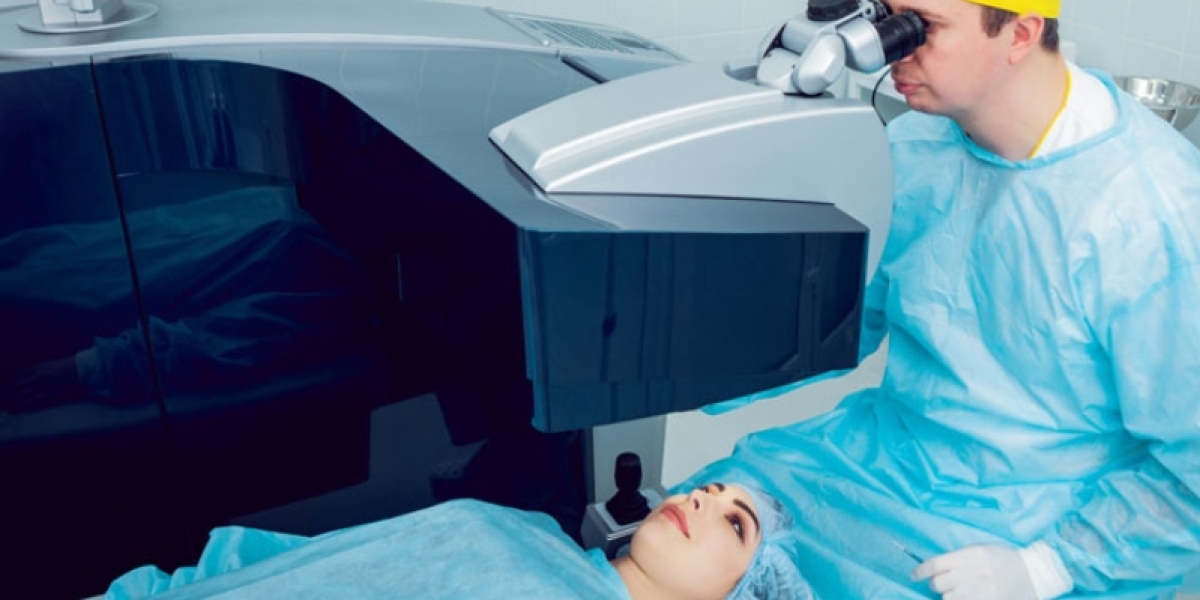
The procedure is quick, often taking less than 30 minutes for both eyes. Numbing eye drops are applied to minimize discomfort, and patients remain awake during surgery.
During the operation, a precise laser reshapes the cornea according to the patient’s prescription. LASIK involves creating a thin flap in the cornea, while PRK removes a small layer of corneal tissue. SMILE uses a small incision to remove corneal tissue with minimal disruption. After the laser treatment, the cornea heals naturally, and vision gradually improves.
Cost of Laser Surgery
The cost of laser surgery for weak eyesight depends on factors such as the type of procedure, the surgeon’s experience, clinic location, and technology used. On average, prices range from a few hundred to several thousand dollars per eye.
While advanced laser systems and customized treatments can increase the cost, they often provide better precision and safety. Many clinics offer flexible payment plans, financing options, and packages that include pre-surgery examinations and follow-up care. Compared to the long-term expense of glasses and contact lenses, many patients consider laser surgery a worthwhile investment.
Recovery After Surgery
Recovery from laser eye surgery is typically fast. Most patients notice improved vision within 24 to 48 hours. Mild side effects such as dryness, light sensitivity, or temporary glare are common but usually subside within a few days.
Patients are advised to rest their eyes, avoid rubbing them, and use prescribed eye drops to prevent dryness and infection. Follow-up appointments with the surgeon help ensure proper healing and monitor vision improvement. Most people return to work and daily activities within a few days, while full stabilization of vision may take a few weeks.
Expected Results
Laser surgery for weak eyesight offers excellent results for most patients. Many achieve 20/20 vision or better. The procedure provides long-lasting correction of refractive errors, significantly reducing or eliminating the need for glasses or contact lenses.
While laser surgery does not prevent natural age-related changes like presbyopia, it effectively corrects existing vision problems. Patients often report greater convenience, improved confidence, and better quality of life after surgery.
Safety Considerations
Laser surgery is considered very safe when performed by a qualified and experienced eye surgeon. Modern laser systems are highly precise, and serious complications are rare. Temporary side effects, such as dry eyes, mild discomfort, or glare, are common but usually resolve quickly.
Choosing a reputable clinic, completing a thorough pre-surgery screening, and following post-operative care instructions are essential to minimize risks and ensure the best outcomes.
Who Should Consider Laser Surgery?
Ideal candidates for laser surgery are adults with stable vision and healthy eyes. Those with certain eye diseases, thin corneas, or unstable prescriptions may not be suitable. A comprehensive eye examination is necessary to determine eligibility and select the most appropriate procedure.
Final Thoughts
Laser surgery for weak eyesight is a safe, effective, and long-lasting solution for improving vision. Understanding the procedure, cost, recovery, and expected results helps patients make informed decisions and approach surgery with confidence.