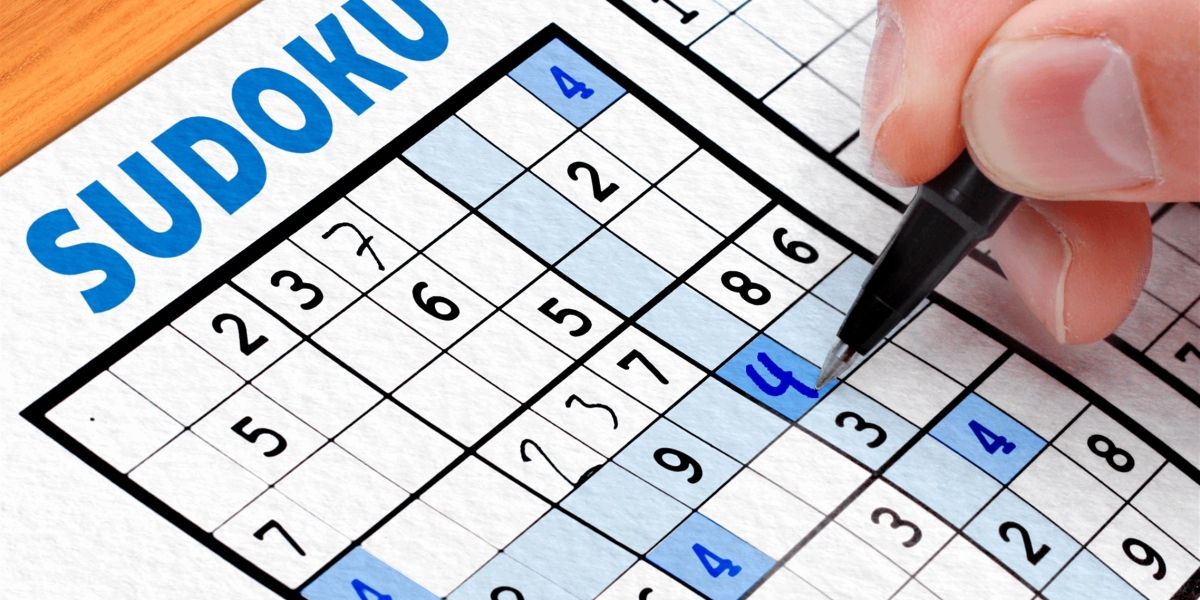

I never imagined that a simple grid of numbers could completely take over my free time. Yet, here I am, months into my Sudoku journey, still completely captivated. What started as a casual curiosity has now become a daily habit—sometimes relaxing, sometimes frustrating, but always satisfying. Today, I want to share my personal experience with Sudoku: the highs, the lows, the funny moments, and the small victories that make it so addictive.
How I Started Playing Sudoku
It all began on a quiet evening when I was flipping through a newspaper. There, on the puzzle page, was a small 9x9 grid partially filled with numbers. Curious, I picked up a pen and decided to give it a shot. At first, I thought, “It’s just numbers; how hard can it be?”
Very quickly, I realized I had underestimated Sudoku. Filling in the first few squares was simple enough, but as I progressed, I noticed that one wrong number could throw the entire puzzle off. I erased and rewrote numbers countless times, muttering under my breath. It was frustrating, yes—but also strangely exciting. The puzzle demanded focus, patience, and a little bit of strategy.
By the end of the evening, I had completed my first puzzle. The feeling of finishing it was unexpected—pure satisfaction mixed with a sense of accomplishment. I couldn’t wait to try another.
Why Sudoku is So Captivating
Sudoku might seem like a simple numbers game at first glance, but it has a way of drawing you in and keeping you hooked. Here’s why I think it’s so addictive:
1. It Challenges Your Brain
Sudoku is all about logic and observation. You can’t rely on guessing; every move requires thought and strategy. This makes it a perfect mental exercise, sharpening your focus and improving your problem-solving skills.
2. Small Wins Keep You Motivated
Even placing a single number correctly gives a sense of progress. Those tiny victories add up, and the thrill of filling in the last number of the grid is incomparable. It’s like winning a little battle against your own mind.
3. It’s Surprisingly Meditative
Once you get into the flow of scanning rows, columns, and boxes, Sudoku can become very calming. For me, it’s almost like meditation: I forget about time, and my mind becomes fully absorbed in the puzzle. It’s a rare combination of challenge and relaxation.
A Memorable Sudoku Experience
One of my most memorable Sudoku sessions happened on a rainy Sunday morning. I decided to try a “hard” puzzle I found online. The board had very few numbers, and every move felt critical.
I started cautiously, jotting down possibilities in pencil. Soon, I ran into a wall—every number I tried seemed to conflict with another. I erased, rechecked, and tried again, muttering to myself in frustration. At one point, I almost gave up, but something kept me going.
After nearly two hours of concentration, I finally spotted a pattern I had missed. Numbers started falling into place like magic, and the puzzle was complete. I leaned back, smiling like a champion. The sense of accomplishment was incredible—it was more than just solving a puzzle; it felt like I had conquered a tiny challenge that had pushed my mind to its limits.
Funny and Frustrating Moments
Of course, Sudoku isn’t all calm and triumph. There are plenty of funny and frustrating moments along the way:
Accidentally repeating a number in a row or column and wondering why it’s not working.
My cat jumping onto my desk, scattering pencil marks across my paper mid-game.
Spending 20 minutes trying to place a number, only to realize I misread one of the given numbers.
One particularly amusing incident happened during a long bus ride. I was so engrossed in a difficult puzzle that I didn’t notice we had arrived at my stop. I ended up hopping off at the wrong station, still clutching my puzzle. I couldn’t stop laughing at myself—it’s amazing how Sudoku can make you lose track of time in the most unexpected ways.
Tips for Beginners
If you’re new to Sudoku, here are a few strategies I’ve learned that make the game more approachable:
1. Start With the Obvious Numbers
Look for numbers that can only go in one place. These give momentum and make the puzzle less intimidating.
2. Use Pencil Marks
Writing possible numbers in corners helps keep track of options without committing too early. It’s especially useful in harder puzzles.
3. Take Breaks When Stuck
Sometimes stepping away for a few minutes—or even a few hours—can help you see the solution more clearly. Overthinking often leads to mistakes.
4. Embrace Mistakes
Every error is a learning opportunity. It teaches you patterns, improves your strategy, and makes eventual success even sweeter.
Why I Keep Returning to Sudoku
Even after months of playing, Sudoku never gets old. Each puzzle is unique, offering a new challenge and a fresh opportunity to engage my brain. Beyond the mental exercise, Sudoku provides a comforting routine. A puzzle in the morning or evening gives me focus, slows my thoughts, and provides a small, satisfying sense of accomplishment.
Sudoku has also taught me patience, persistence, and attention to detail—skills that extend beyond puzzles into everyday life. There’s something rewarding about knowing that a hobby can improve both your mind and your mindset.
Final Thoughts
Sudoku is more than a simple numbers game—it’s a journey of challenges, small victories, and life lessons. Whether you’re solving a puzzle to relax, to challenge yourself, or just for fun, it has something for everyone.