
Introduction
India is one of the fastest-growing markets in the world, attracting manufacturers from different countries. However, to sell products legally in India, foreign companies must comply with Indian quality and safety standards. This is where the BIS Certificate for Foreign Manufacturer becomes essential.
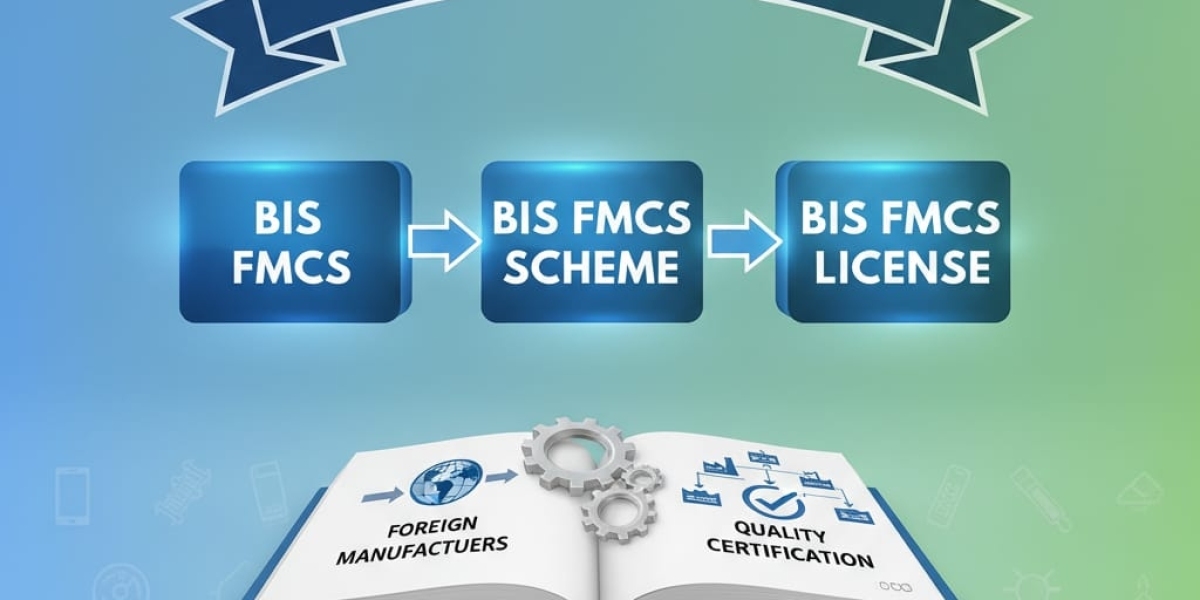
Issued under the Foreign Manufacturers Certification Scheme (FMCS), this certification ensures that imported products meet the standards set by the Bureau of Indian Standards (BIS).
What is BIS Certificate for Foreign Manufacturer?
The BIS Certificate for Foreign Manufacturer is a mandatory approval granted to overseas manufacturers who want to export their products to India. Unlike Indian manufacturers, foreign manufacturers are covered under the FMCS (Foreign Manufacturers Certification Scheme).
Under this scheme, BIS verifies that the manufacturing process, product quality, and testing methods of the foreign factory comply with Indian Standards (IS).
Why BIS Certification is Mandatory for Foreign Manufacturers?
BIS Certification for Foreign Manufacturer is mandatory for many products because:
It ensures product safety and quality
It protects Indian consumers from unsafe imports
It maintains uniform standards across domestic and imported goods
It allows legal entry of products into the Indian market
Without this certification, foreign manufacturers may face import restrictions, penalties, or product rejection at Indian ports.
Products Covered Under FMCS Scheme
Several product categories require BIS certification under FMCS, including:
Electrical appliances
Electronics and IT products
Industrial machinery
Steel and metal products
Automotive components
Cables, wires, and switches
Each product must comply with a specific Indian Standard before certification is granted.
Difference Between Indian BIS License and FMCS
Aspect | Indian Manufacturer | Foreign Manufacturer |
Scheme | ISI / CRS | FMCS |
Factory Location | India | Outside India |
Inspection | Indian factory | Foreign factory |
License Validity | As per BIS rules | As per BIS rules |
This makes FMCS slightly more complex due to international inspections and documentation.
Process to Apply for BIS Certification for Foreign Manufacturer
The application process involves multiple steps:
Step 1: Identify Applicable Indian Standard
Each product has a specific IS number that must be followed strictly.
Step 2: Nomination of Authorized Indian Representative (AIR)
Foreign manufacturers must appoint an Authorized Indian Representative (AIR) who acts as a local contact for BIS.
Step 3: Product Testing
Samples must be tested in a BIS-recognized laboratory, either in India or abroad.
Step 4: Application Submission
Submit the FMCS application along with required documents and test reports.
Step 5: Factory Inspection
BIS officials visit the foreign manufacturing unit to inspect:
Quality control system
Production process
Testing facilities
Step 6: Grant of BIS License
After successful inspection and verification, BIS issues the certification license.
Documents Required for BIS Certificate for Foreign Manufacturer
Factory registration documents
Manufacturing process details
Quality control manual
Product test reports
Authorized Indian Representative documents
Undertaking and declarations
Layout and machinery details
Proper documentation helps in avoiding unnecessary delays.
Benefits of BIS Certification for Foreign Manufacturer
Legal access to Indian market
Increased trust among Indian buyers
Competitive advantage over uncertified imports
Compliance with Indian regulations
Reduced risk of shipment rejection
Enhanced brand reputation
Validity and Renewal of BIS FMCS License
The BIS Certification for Foreign Manufacturer 1 to 2 years and must be renewed before expiry. Regular surveillance and sample testing may be conducted by BIS to ensure ongoing compliance.
Common Challenges in FMCS Certification
Foreign manufacturers often face challenges such as:
Understanding Indian Standards
Coordination with BIS officials
Managing factory inspection schedules
Documentation errors
Communication barriers
Professional assistance can simplify the entire process.
Conclusion
The sunconsultants.co.in. is a crucial requirement for overseas companies planning to enter the Indian market. It ensures product safety, regulatory compliance, and consumer confidence. Although the FMCS process involves detailed documentation and factory inspections, obtaining BIS Certification for Foreign Manufacturer becomes easier with proper planning and expert guidance.