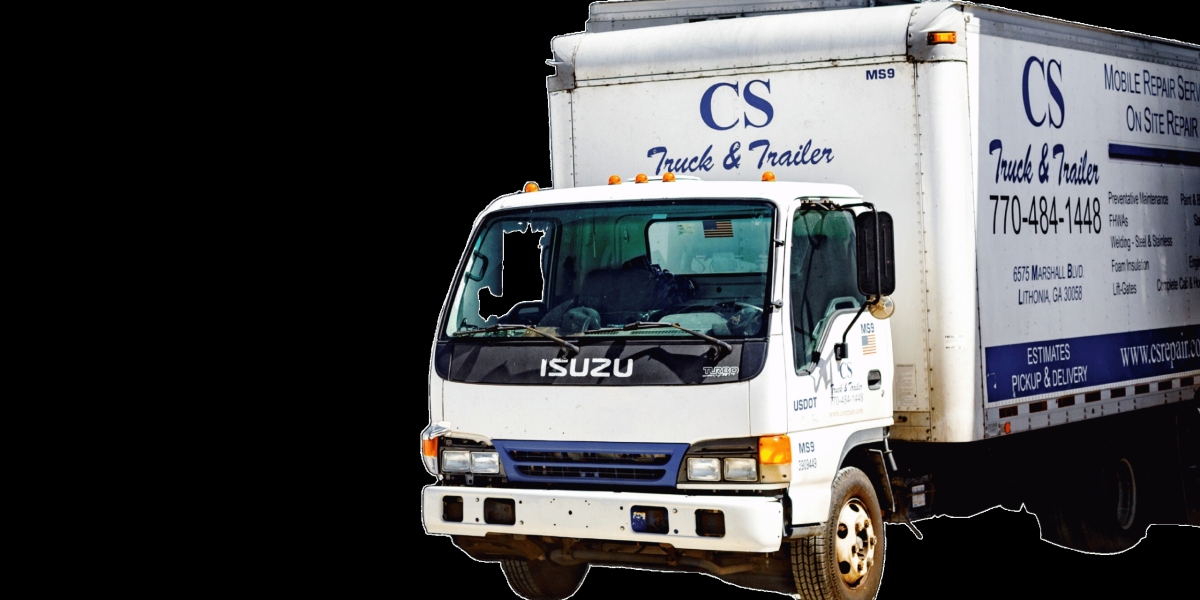

Reliability is everything in the trucking business. One trailer that breaks down during a route not only costs money to fix, but also jeopardizes missed deadlines, dissatisfied customers, and stressed-out drivers.
This is why it is important to maintain regular trailer service intervals to ensure your fleet remains on the road and your business makes a profit. And this is where CS Repair comes in with its reliable services and professional crew.
To logistics operators, the objective is straightforward: to ensure uptime, avoid costly failures, and ensure that all loads arrive at the destination safely and on time.
Importance of Routine Trailer Services
It’s tempting to push a trailer a little longer between services to save a day in the shop. However, such a decision can be more expensive than a regular check in the long run.
Skipping maintenance can lead to:
● Unexpected breakdowns
● Uneven tire wear
● Brake failures
● Safety hazards
● DOT compliance issues
It is important to maintain the scheduled intervals of trailer service to make sure these wear points are checked, repaired, or replaced before they become bigger issues.
Key Trailer Components to Check Regularly
A proper trailer inspection should cover the areas that most directly affect safety and uptime:
1. Brakes and Air Lines
Brake systems take the brunt of every stop. Damaged fittings, leaky air lines, and worn brake pads may result in catastrophic failures. These components are checked, adjusted, and replaced regularly during service intervals.
2. Tires and Wheels
Trailer blowouts or uneven wear may cause the trailer to lose its balance, affecting fuel efficiency and increasing repair costs. Regular inspections allow checking the correctness of inflation, tread depth, and alignment.
3. Suspension and Axles
Heavy loads and rough roads stress suspension systems and axles. Regular check-ups ensure that bending, cracking, and asymmetrical load distribution are avoided, which may cause mid-way failures.
4. Lights and Electrical Systems
Even a single malfunctioning brake light or turn signal can result in fines or accidents. Regular service intervals catch wiring issues before they become a liability.
5. Frame and Body Integrity
Rust, cracks, or loose components can compromise safety and structural integrity. Scheduled inspections catch corrosion early and allow repairs before it affects load capacity.
The Financial Benefits of Following Service Intervals
Some operators treat maintenance as a cost, but it’s really an investment. Post-trailer service intervals will decrease the unexpected breakdowns, minimize repair expenses, and increase the life of your trailers.
The following is its effect on the bottom line:
● Reduce downtime costs: Trailers in the shop unexpectedly can delay the entire load. With planned maintenance, these disruptions are reduced.
● Lower repair cost: Minor maintenance during routine inspections costs much less than repairs performed in case of a major failure.
● Longer equipment life: Components replaced on time don’t damage adjacent systems, keeping the trailer in service longer.
● Fuel efficiency: Properly aligned axles, inflated tires, and well-maintained brakes save fuel over long hauls.
How Service Intervals Improve Driver Confidence
Drivers are the backbone of your operation. Giving them a trailer that is reliable, safe, and predictable reduces stress and boosts job satisfaction. A well-maintained trailer means:
● No surprises on the road
● Smooth braking and handling
● Safer loads and better load security
● Fewer roadside breakdowns
Confident drivers stay longer, deliver better service, and reduce turnover costs for the fleet. Regular trailer service intervals are just as much about keeping your drivers happy as they are about protecting your equipment.
Scheduling Maintenance Without Disrupting Operations
The majority of operators fear that adherence to schedules of service will keep trucks and trailers off the road too long.
The trick is to plan:
Route plan: Checks when trailers are not busy, or during off-peak times.
Use fleet management tools: Monitoring the service dates of individual trailers will ensure that nothing is missed.
Combine tasks: Conduct several inspections or minor repairs during a single visit to reduce downtime.
Partner with a reliable service provider: Repair shops like CS Truck & Trailer that understand fleet operations, can provide faster turnaround, and coordinate work efficiently.
A structured approach to service intervals keeps trailers on the road while still catching wear early.
Using Technology to Track Trailer Maintenance
The modern logistics operator has tools to make maintenance tracking easier:
● Telematics and sensors: Real-time monitoring of brake wear, tire pressure, and suspension health.
● Maintenance Record: Digital logs are used to record all service dates, parts replacement, and inspection outcomes.
● Alerts and reminders: You can get automatic reminders about upcoming service intervals to help you stay on time.
The Long-Term Impact on Fleet Value
Trailers aren’t cheap, and every hour they spend out of service or running damaged reduces their value. Following routine service intervals:
● Keeps trailers resale-ready
● Shows proof of maintenance to buyers
● Extends the usable life of components
● Prevents hidden damage that can add up over the years
A well-maintained fleet protects your bottom line both in daily operations and when it’s time to sell or trade equipment.
Choosing the Right Service Partner
It is important to find a shop that knows what it takes to operate a fleet.
The right partner:
● Conducts complete inspection and preventive maintenance.
● Turns around fast with low downtimes.
● Uses OEM parts or high-quality replacements
● Offers transparent records digitally in compliance.
Conclusion
It is not a choice of sticking to routine trailer service intervals, as it is the key to fleet reliability, safety, and profitability. The benefits can be seen in preventing expensive failure and increasing equipment life, improving driver confidence, and increasing resale value.
To ensure that your trailers are in roadworthy condition without the hassle of having to spend hours or even days fixing them, collaborating with a reliable service provider such as CS Truck & Trailer is important.