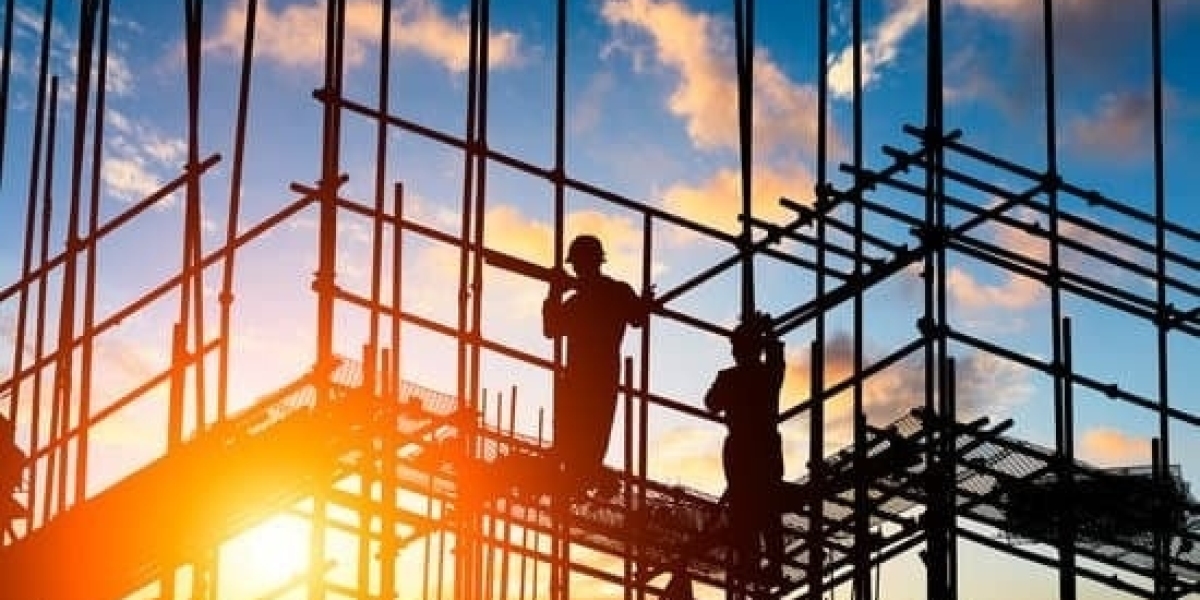
Construction safety is essential for protecting workers from injury and ensuring that projects are completed without costly accidents. With the construction industry being one of the most dangerous sectors, safety measures are critical for maintaining a secure work environment. Implementing proper safety protocols, such as regular training, site inspections, and compliance with OSHA regulations, helps minimize risks associated with common hazards like falls, electrocution, and equipment malfunctions.
A focus on construction safety not only prevents accidents but also boosts productivity and morale, creating a culture of responsibility and care on job sites. Prioritizing safety can save lives, reduce financial costs, and enhance the overall success of construction projects.
What Is Construction Safety and Why It Matters
Construction safety refers to the rules, equipment, and practices that aim to keep workers safe on construction sites. Safety is critical because construction sites are full of potential hazards. According to the Occupational Safety and Health Administration (OSHA), construction is one of the most dangerous industries, with thousands of workers suffering injuries and fatalities each year.
A strong focus on safety improves worker morale and productivity. By preventing accidents, construction companies save money on medical bills, insurance claims, and legal costs. Moreover, adhering to construction safety standards leads to better project outcomes and fewer delays.
Common Construction Site Hazards and How to Identify Them
Construction sites are full of hazards that can cause serious injury or death. These hazards include physical risks like falls, electrical shocks, and being struck by objects. Environmental factors, such as weather, can also play a role in accidents. Additionally, machinery and electrical issues, if not properly addressed, can be deadly.
Regular site inspections and risk assessments help identify these dangers before they become problems. Supervisors must encourage workers to report hazards immediately. Identifying risks early allows for swift action, reducing the chances of accidents.
OSHA: The Key to Construction Safety Standards
The Occupational Safety and Health Administration (OSHA) plays a crucial role in construction safety. OSHA sets standards that must be followed to ensure safe working conditions. These standards cover a wide range of safety concerns, including fall protection, machinery safety, and electrical hazards.
Adhering to OSHA standards helps avoid costly fines and, more importantly, keeps workers safe. Compliance is essential to maintain a secure working environment and avoid legal trouble. Regular OSHA inspections ensure that construction sites meet the necessary safety requirements.
The Top 4 Construction Safety Risks and How to Avoid Them
Falls: The leading cause of injury in construction. Fall protection systems, like guardrails and harnesses, can help prevent falls from heights.
Struck-By Incidents: Falling tools, materials, and moving machinery can cause severe injuries. Workers should be aware of their surroundings and wear hard hats.
Electrocution: Overhead power lines and electrical tools are common hazards. Workers should maintain a safe distance and use insulated tools.
Caught-In/Between Hazards: Workers can get trapped between equipment or materials. Machine guarding and lockout/tagout procedures are vital for preventing these incidents.
By recognizing these risks, you can implement strategies to reduce them and protect workers from harm.
Essential Construction Safety Equipment (PPE)
Personal Protective Equipment (PPE) is essential for reducing construction site injuries. Key PPE includes hard hats, safety glasses, gloves, and steel-toe boots. These items protect workers from flying debris, falls, electrical hazards, and other risks.
Choosing the right PPE for specific tasks is crucial. For example, workers handling chemicals should wear chemical-resistant gloves and face shields, while those working at heights should use fall arrest systems. PPE is an added layer of safety but cannot replace proper training and hazard control measures.
Developing a Comprehensive Construction Safety Plan
A comprehensive construction safety plan should include hazard assessments, safety protocols, and emergency procedures. This plan should be tailored to the specific needs of the construction site. It must also be reviewed regularly to address new risks that might arise during the project.
Risk assessments help identify hazards and create strategies for mitigation. Ensuring that all workers understand the safety plan and follow it is crucial for maintaining a safe worksite. Continuous evaluation helps keep the safety plan up-to-date.
The Importance of Safety Training and Certification
Proper safety training is one of the best ways to prevent accidents. It equips workers with the knowledge and skills they need to avoid risks and handle dangerous situations. OSHA training programs, like the OSHA 10 construction course, are essential for teaching workers about site-specific hazards and safety protocols.
In addition to initial training, safety certifications should be updated regularly. Certifications ensure that workers stay informed about the latest safety standards and regulations. Regular training and certifications can significantly reduce accidents and fatalities.
How to Ensure OSHA Compliance on Your Construction Site
OSHA compliance is essential for construction safety. Start by familiarizing yourself with OSHA regulations, which cover everything from fall protection to machine guarding. Creating an OSHA-compliant safety program involves incorporating these regulations into your workplace practices.
Keep track of safety records and ensure that workers are consistently following safety procedures. Regular OSHA inspections should be scheduled to ensure ongoing compliance and to address any safety concerns before they lead to accidents.
Conducting Effective Construction Safety Inspections
Regular safety inspections are vital to identify hazards and maintain a safe working environment. Inspections should be conducted daily, before starting any work, and after significant changes on the site. Workers should report any unsafe conditions immediately.
Using checklists and safety apps can help streamline the inspection process and ensure that all potential hazards are addressed. Inspections should cover everything from machinery condition to the adequacy of PPE and proper labeling of hazardous materials.
Emergency Response Plans for Construction Sites
No matter how careful you are, accidents can still happen. That’s why having a well-established emergency response plan is essential. The plan should outline the steps to take in case of an accident, including how to evacuate workers, provide first aid, and contact emergency services.
Every worker should be familiar with the emergency response plan, and regular drills should be conducted to ensure everyone knows their role during an emergency. A clear plan helps minimize injury and saves lives in critical situations.
Conclusion: Fostering a Safety Culture on Construction Sites
A safety culture on construction sites begins with strong leadership and a commitment to prioritizing worker safety. Workers must be educated about the risks and trained on how to avoid them. Safety should be ingrained in every aspect of the work process, from planning to execution.
Continual education, open communication, and adherence to safety protocols are key to maintaining a safe work environment. As construction safety evolves, staying updated with new practices and technologies will further reduce risks and improve safety outcomes.
FAQs:
What is the 20 20 20 rule in construction safety?
The 20-20-20 rule suggests that workers should take a 20-second break every 20 minutes to reduce eye strain and prevent fatigue when using equipment or focusing on tasks.What are the 7 step safety rules?
The 7-step safety rules include: 1) Hazard identification, 2) Risk assessment, 3) Safety training, 4) Personal protective equipment (PPE), 5) Safe equipment operation, 6) Site inspections, and 7) Emergency procedures.What are the 4 C's of safety culture?
The 4 C's of safety culture are: Commitment, Communication, Cooperation, and Continuous Improvement. These principles help create a work environment focused on safety.What is the number one safety rule in construction?
The number one safety rule in construction is to always wear the appropriate personal protective equipment (PPE) for the job to prevent injuries.What is OSHA's 3 most cited violations?
OSHA’s three most cited violations are: 1) Fall protection, 2) Hazard communication, and 3) Scaffolding safety. These violations are common on construction sites and should be actively prevented.