
Before installing any flow monitoring device, it is essential to understand how your system operates fully. Every industrial setup has its own unique requirements, whether it involves liquids, gases, or steam. The behavior of these media can vary significantly at high temperatures, making it important to evaluate flow characteristics, pressure levels, and temperature ranges in detail. If the device doesn’t align with your system’s requirements, it can result in unreliable readings and may even disrupt overall performance.
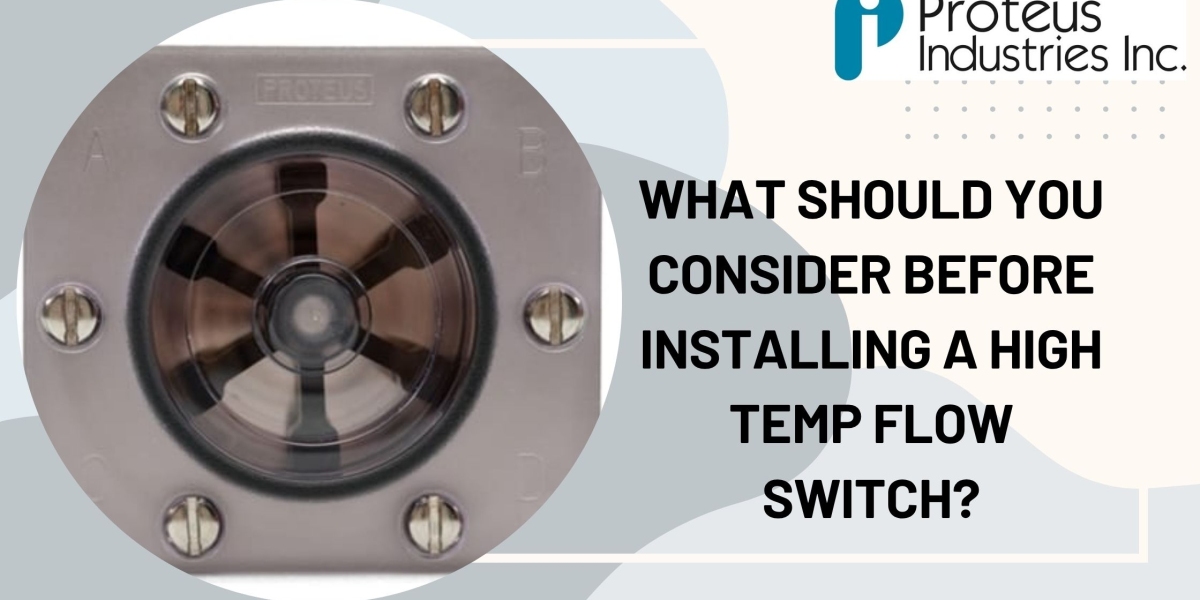
When planning for a reliable solution, many engineers turn to a high temp flow switch because of its ability to function under demanding conditions. However, selecting the right one depends on how well you understand your system’s needs. Taking time to assess flow rates, pressure fluctuations, and compatibility with existing components ensures smoother integration and long-term efficiency. This initial step often determines whether your installation will perform reliably or face recurring issues.
Can Your Flow Switch Handle the Heat?
Temperature tolerance is one of the most critical factors when choosing a flow switch. High-temperature environments can put immense stress on mechanical and electronic components, leading to wear and tear if the device is not designed for such conditions. This is why selecting a flow switch with the appropriate temperature rating is essential for maintaining consistent performance.
Material selection also plays a important role in heat resistance. Components made from stainless steel or specialized alloys are often preferred because they can withstand extreme temperatures without losing structural integrity. If the materials are not suited to high heat, the device may degrade quickly, leading to frequent replacements and higher maintenance costs. Ensuring that your flow switch is built to handle the heat not only improves reliability but also extends its operational lifespan.
The Environment Matters More Than You Think
Beyond temperature, the surrounding environment can significantly affect a flow switch's performance. Factors such as dust, moisture, vibration, and exposure to corrosive substances can interfere with its functionality. For instance, an outdoor installation may require additional protection against weather conditions, while industrial settings with heavy machinery may introduce constant vibrations.
Choosing the right installation location is just as important as selecting the device itself. A poorly placed flow switch may deliver inaccurate readings or become difficult to maintain over time. Ensuring adequate space, proper mounting, and easy accessibility can make a noticeable difference in long-term performance. Considering environmental factors early on helps prevent unexpected complications and ensures smoother operation.
How Precise Does Your Flow Detection Need to Be?
Accuracy and sensitivity are crucial for monitoring flow in high-temperature systems. Depending on your application, even small variations in flow rate can significantly affect overall performance. This underscores the importance of choosing a flow switch that offers the right level of precision for your specific needs.
Adjustable settings can be particularly useful in environments where flow conditions fluctuate frequently. They allow you to fine-tune the device so it responds appropriately without triggering false alarms. Inaccurate readings or unnecessary alerts can disrupt operations and lead to inefficiencies. By focusing on precision and adaptability, you can ensure that your flow switch provides reliable data that supports better decision-making.
Safety Isn’t Optional: Standards You Must Meet
Safety should always be a top priority when installing equipment in high-temperature environments. Flow switches play a vital role in preventing overheating, system failures, and potential hazards. This is why it is important to ensure that the device meets relevant industry standards and certifications.
Compliance with safety regulations not only protects your equipment but also safeguards personnel working in the environment. Certified devices are tested to perform reliably under specific conditions, giving you confidence in their performance. Ignoring these standards can result in serious consequences, including system breakdowns and costly repairs. Choosing a flow switch that meets required standards helps support both safe operation and consistent system performance.
Built to Last? Think Maintenance and Longevity
Durability is another key factor to consider before installation. High-temperature conditions can accelerate wear and tear, making it important to choose a flow switch that is designed for long-term use. A long-lasting device helps cut down on repeated replacements and keeps system interruptions to a minimum.
Ease of maintenance is equally important. A flow switch that is difficult to inspect or service can lead to delays and increased downtime. Selecting a model with accessible components and straightforward maintenance requirements can save both time and effort. Additionally, having access to spare parts ensures that any necessary repairs can be carried out quickly. Focusing on longevity and maintenance helps maintain consistent performance over time.
Cost vs. Value: Are You Thinking Long-Term?
While cost is always a consideration, it is important to look beyond the initial investment. A cheaper flow switch may seem appealing at first, but it can lead to higher expenses in the long run due to frequent maintenance, replacements, or system failures. Evaluating the device's overall value helps you make a more informed decision.
A high-quality flow switch can improve system efficiency, reduce downtime, and lower maintenance costs over time. These benefits often outweigh the initial expense, making it a worthwhile investment. By focusing on long-term value rather than short-term savings, you can ensure that your system operates smoothly and efficiently for years to come.
Professional High Temp Flow Switch Services and Support
Choosing the right product is only part of the process; having access to reliable support is equally important. Professional services can help you select the most suitable flow switch based on your specific requirements. They can also provide guidance during installation, ensuring that the device is set up correctly for optimal performance.
Ongoing support, including technical assistance and warranty coverage, adds an extra layer of reliability. In case of any issues, having expert help readily available can prevent prolonged downtime and costly disruptions. Working with experienced providers ensures that you receive not only a quality product but also the support needed to maintain its performance over time.
Conclusion: Make the Right Choice Before You Install
Installing a flow switch in a high-temperature environment is not a decision to be taken lightly. From understanding your system requirements to evaluating temperature tolerance, environmental factors, and accuracy needs, each step plays a important role in ensuring successful implementation. Ignoring any of these aspects can lead to inefficiencies, safety risks, and increased costs.
By carefully considering all these factors, you can make an informed choice that supports both performance and reliability. A well-selected flow switch not only enhances system efficiency but also contributes to long-term durability and safety. Taking the time to plan before installation ultimately ensures that your system operates at its best, even under the most demanding conditions.