
High-Definition Liposuction: Defining Muscle Lines for a Sculpted Look
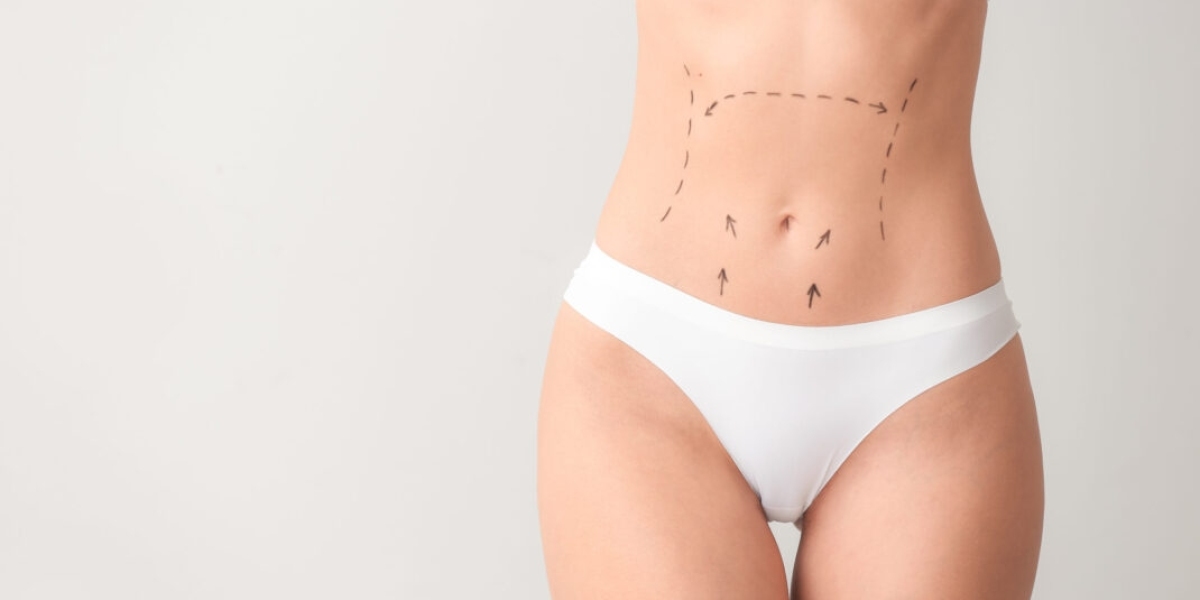
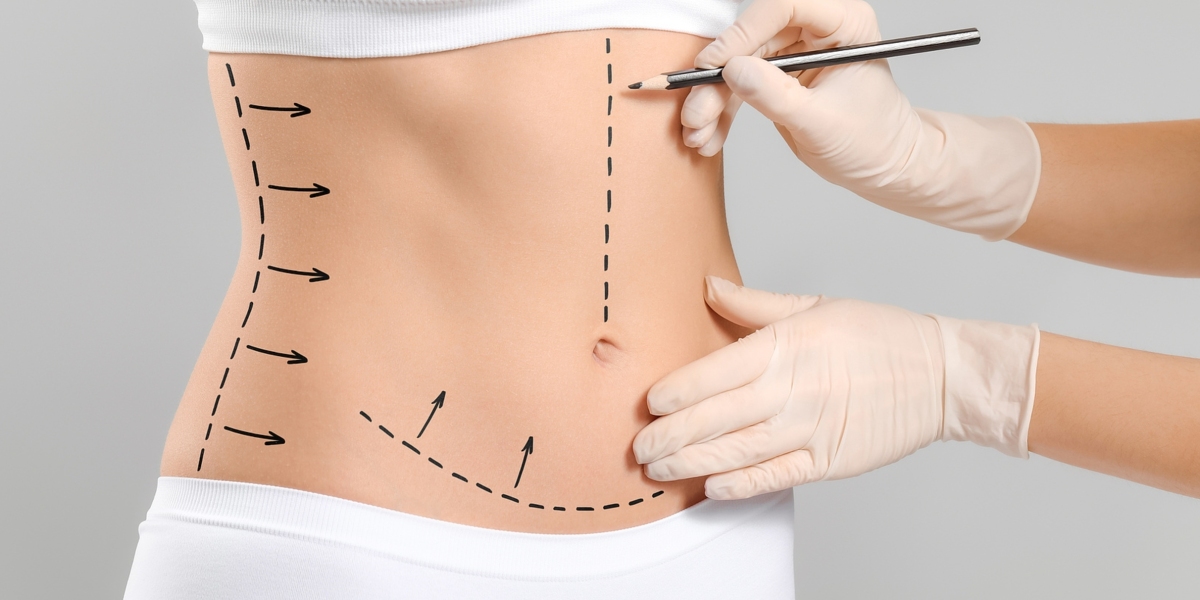
For many individuals, the standard approach to body contouring is about volume reduction, but those pursuing liposuction in Riyadh are increasingly seeking a more sophisticated outcome known as high-definition liposuction. Unlike traditional techniques that simply aim to remove fat deposits to create a smoother, smaller shape, high-definition liposuction is a specialized surgical art form. It is designed to accentuate the natural anatomy of the underlying muscles, effectively "carving out" definition in areas such as the abdominal six-pack, chest, or shoulders. This procedure is ideal for patients who are already in excellent physical shape and have a low body fat percentage but desire that final layer of athletic, muscular definition that remains elusive despite consistent training.
The Art of Anatomical Sculpting
High-definition liposuction requires a profound understanding of superficial anatomy. The surgeon must be able to visualize the underlying muscle structures—such as the rectus abdominis, the serratus, and the obliques—and precisely remove fat from the valleys between these muscles while intentionally leaving fat in the areas meant to represent the "peaks." This creates the illusion of a more toned and athletic physique. It is a meticulous process that demands a higher level of technical skill, as the margin for error is smaller when working to define specific muscle groups rather than just reducing overall volume.
Candidates for this procedure are typically not looking for weight loss; they are looking for "etching." Because the goal is to reveal existing muscle definition, individuals with significant amounts of excess fat or poor skin elasticity are usually not the best candidates. The most successful outcomes are seen in patients who prioritize regular strength training and maintain a healthy, balanced diet. In these individuals, the surgeon acts as a sculptor, enhancing the hard work the patient has already put into their physique by removing the final, stubborn layers of fat that hide the definition they are working so hard to showcase.
Advanced Surgical Techniques and Energy-Assisted Tools
To achieve this level of precision, surgeons often utilize advanced energy-assisted platforms, such as ultrasound-assisted or laser-assisted liposuction. These technologies are particularly beneficial in high-definition cases because they allow for the selective removal of fat even in fibrous areas where traditional mechanical suction might struggle. By using energy to liquefy the fat cells before they are suctioned, the surgeon can achieve a smoother, more even result that follows the natural curves of the muscles.
Furthermore, the heat generated by these energy-based tools can stimulate collagen production within the dermis. This is a critical advantage in high-definition cases because the skin must be tight and firm to effectively drape over the newly revealed muscle anatomy. If the skin is loose, the definition will not be as crisp. By encouraging a degree of skin contraction, these technologies help ensure that the final result is sharp, defined, and long-lasting, minimizing the risk of skin irregularities or sagging.
Recovery and Maintaining Your Athletic Definition
The recovery process for high-definition liposuction is similar to other forms of body contouring, though the attention to detail required during the healing phase is paramount. Because the surgery targets specific anatomical structures, the consistent use of a specialized compression garment is mandatory. This garment ensures that the skin remains in close contact with the underlying muscles as the body heals, preventing fluid buildup that could blur the newly etched definition.
Patients should expect a period of reduced activity to ensure proper healing, but because they are typically already active and fit, they are often eager to return to their exercise routines. It is essential to follow the surgeon’s specific guidance on when it is safe to resume resistance training, as returning too soon can disrupt the healing process. Long-term maintenance is also a crucial aspect of the journey. The fat cells removed during the procedure do not return, but the results are best showcased when the patient maintains their fitness level. By treating the surgery as a complement to a high-performance lifestyle, patients can enjoy their sculpted, high-definition look for years to come.