
At NephCure, we are committed to helping individuals and families better understand complex kidney conditions so they can take informed steps toward better health. Kidney disease can feel overwhelming, especially when symptoms are unclear or diagnosis is delayed, but education can make a powerful difference.
In this article, we will explore focal segmental glomerulosclerosis signs and symptoms, explain common fsgs symptoms, and provide an overview of fsgs kidney disease treatment in a clear and approachable way. Our goal is to help you feel informed, supported, and empowered.
What Is Focal Segmental Glomerulosclerosis?
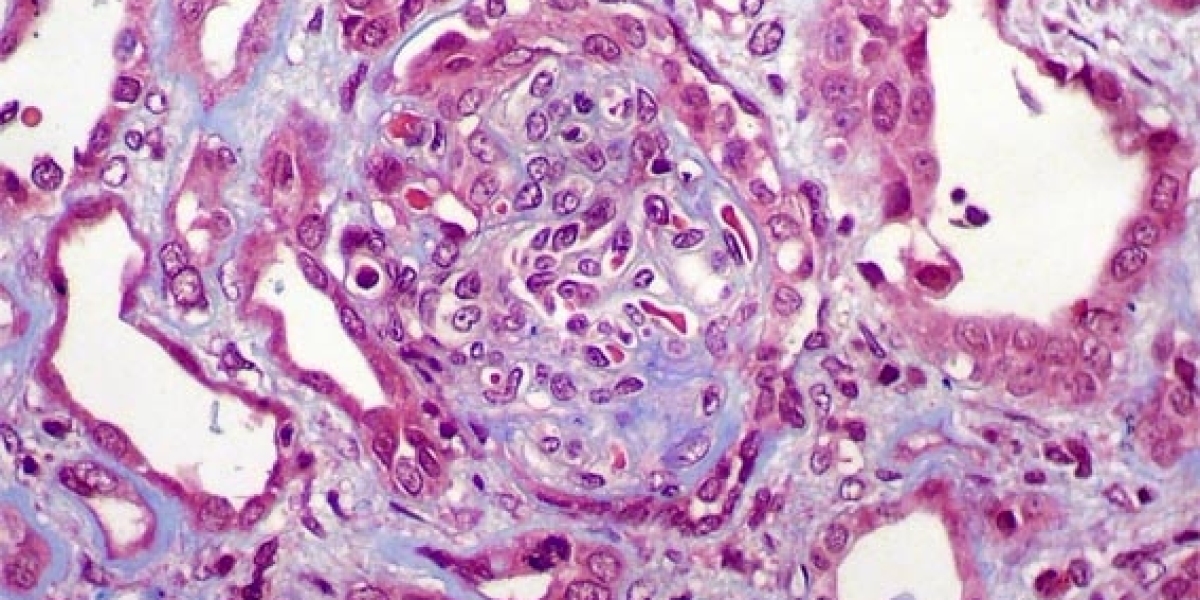
Focal Segmental Glomerulosclerosis, often referred to as FSGS, is a condition that affects the tiny filtering units of the kidneys known as glomeruli. Over time, it can cause scarring, which reduces the kidneys’ ability to properly filter waste and excess fluid from the body.
FSGS can progress at different rates depending on the individual. In some cases, it develops slowly, while in others, it may progress more rapidly. Because of its nature, early awareness of symptoms and timely treatment are extremely important.
At NephCure, we focus on increasing awareness of this condition so patients can seek help early and explore treatment options that support kidney health.
Recognizing Focal Segmental Glomerulosclerosis Signs and Symptoms
Understanding focal segmental glomerulosclerosis signs and symptoms is a key step in identifying the condition early and seeking medical attention.
Common Signs and Symptoms
One of the most common signs is swelling, also known as edema. This often appears in the legs, ankles, feet, or around the eyes. It happens because the kidneys are leaking protein, which leads to fluid imbalance in the body.
Foamy or bubbly urine is another noticeable symptom. This is caused by excess protein being lost through the urine, a condition known as proteinuria.
Fatigue is frequently reported by individuals with FSGS. When the kidneys are not functioning efficiently, the body has to work harder to maintain balance, which can lead to low energy levels and tiredness.
Some people may also experience weight gain due to fluid retention. In addition, high blood pressure is a common issue associated with this condition, which can further impact kidney function if not managed properly.
It is important to remember that symptoms can vary. Some individuals may not notice fsgs symptoms in the early stages, which is why regular check-ups and testing are so important.
At NephCure, we encourage individuals to pay close attention to changes in their bodies and to seek medical advice if anything unusual arises.
Understanding FSGS Symptoms in Daily Life
The term fsgs symptoms refers to the range of physical changes that occur as the disease affects kidney function.
How Symptoms Affect Daily Living
FSGS symptoms can impact daily life in various ways. Swelling may make movement uncomfortable, while fatigue can reduce energy levels and make everyday tasks more challenging.
Protein loss in the urine may lead to muscle weakness over time, as the body loses important nutrients. Additionally, high blood pressure may require ongoing monitoring and medication.
Because symptoms can be subtle at first, many individuals may not realize they have a kidney condition until it has progressed. This highlights the importance of routine health screenings and early detection.
At NephCure, we work to raise awareness of these symptoms so patients can take action sooner and improve their long-term outcomes.
Exploring FSGS Kidney Disease Treatment
Managing FSGS requires a comprehensive and individualized approach. FSGS kidney disease treatment focuses on slowing disease progression, reducing symptoms, and protecting kidney function.
How Treatment Is Approached
Treatment often begins with medications that help control blood pressure. These medications also help reduce protein loss in the urine, which is a key goal in managing FSGS.
In many cases, doctors may prescribe medications that suppress the immune system. Since FSGS can involve immune-related factors, these treatments can help reduce inflammation and prevent further kidney damage.
Diuretics may also be used to help reduce swelling by removing excess fluid from the body. This can improve comfort and overall well-being.
Lifestyle changes are another important part of treatment. A balanced diet, reduced sodium intake, and maintaining a healthy weight can all support kidney health.
In advanced cases, when kidney function declines significantly, treatments such as dialysis or kidney transplantation may be necessary. These options are carefully considered by healthcare professionals based on the individual’s condition.
At NephCure, we emphasize that treatment is not one-size-fits-all. Each patient requires a personalized plan tailored to their specific needs and health status.
Connecting Symptoms and Treatment
Understanding the relationship between focal segmental glomerulosclerosis signs and symptoms and fsgs kidney disease treatment is essential for effective management.
Early recognition of fsgs symptoms allows for earlier diagnosis, which can lead to more effective treatment strategies. The sooner treatment begins, the better the chances of slowing disease progression.
Regular monitoring plays a crucial role. Doctors often track blood pressure, kidney function, and protein levels in the urine to assess how well treatment is working.
At NephCure, we encourage patients to stay engaged in their care, ask questions, and work closely with their healthcare team to ensure the best possible outcomes.
How NephCure Supports Patients and Families
NephCure is dedicated to improving the lives of individuals affected by rare kidney diseases like FSGS. Our mission is rooted in education, advocacy, and research.
We provide resources to help individuals understand focal segmental glomerulosclerosis signs and symptoms, recognize fsgs symptoms early, and learn about fsgs kidney disease treatment options.
We also support research efforts aimed at developing new and more effective treatments. By funding clinical studies and raising awareness, we are working toward better outcomes for patients worldwide.
In addition, we connect patients and families with support networks, ensuring they have access to the guidance and encouragement they need throughout their journey.
Taking the Next Step
If you or a loved one is experiencing symptoms or has concerns about kidney health, it is important to take action early.
Learning about focal segmental glomerulosclerosis signs and symptoms, understanding fsgs symptoms, and exploring fsgs kidney disease treatment options can help guide your next steps and improve your health outcomes.
Always consult with a qualified healthcare professional for diagnosis and treatment recommendations, and consider reaching out to NephCure for additional resources and support.
Final Thoughts
Kidney disease can be complex, but awareness and education can make a significant difference. By understanding focal segmental glomerulosclerosis signs and symptoms, recognizing fsgs symptoms, and exploring treatment options, individuals can take meaningful steps toward better health.