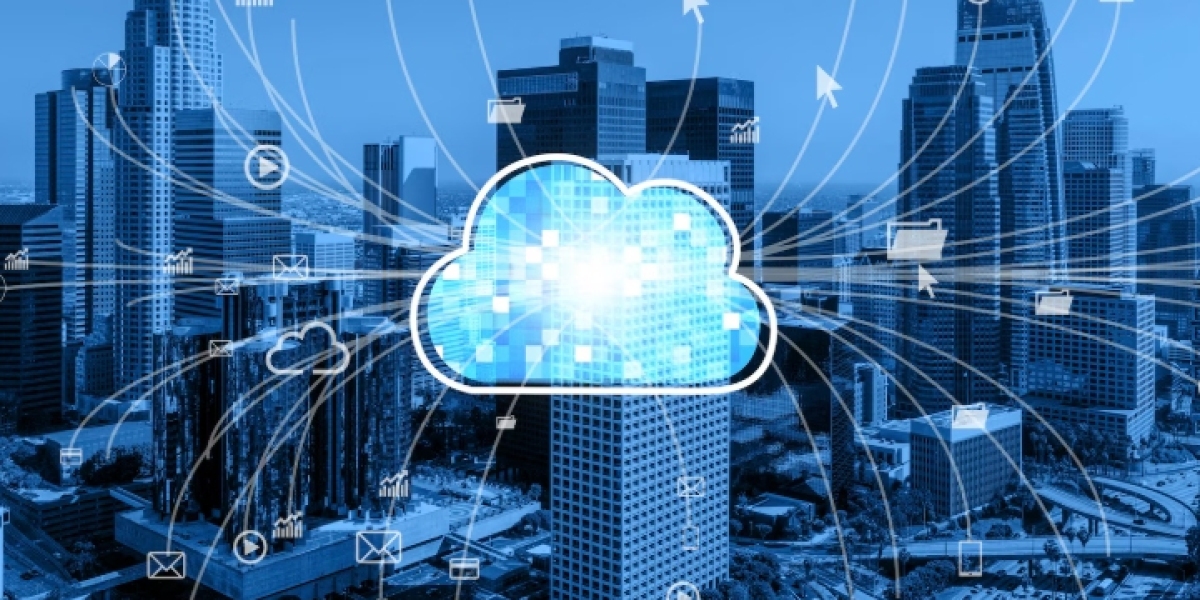

The concept of public cloud has become a central part of how individuals and organizations manage data, applications, and digital infrastructure. Instead of relying on physical hardware stored on-site, users can access computing resources through remote servers maintained by third-party providers. This shift has changed how systems are built, scaled, and maintained, offering flexibility that traditional setups often struggled to provide.
One of the defining characteristics of cloud-based systems is accessibility. With an internet connection, users can retrieve files, run applications, and collaborate with others from virtually anywhere. This has supported remote work, global teamwork, and faster information sharing across industries. It also reduces dependency on a single physical location, which can help maintain continuity during disruptions.
Another important aspect is scalability. Businesses no longer need to predict their hardware requirements years in advance. Instead, they can increase or decrease resources based on current demand. This approach reduces waste and allows better control over operational costs. Startups, in particular, benefit from this model since they can begin with minimal resources and expand gradually as their needs grow.
Security often comes up in discussions about cloud computing. While some users hesitate to store data off-site, major providers invest heavily in advanced security measures, including encryption, monitoring, and regular updates. At the same time, users must also take responsibility for managing access controls and ensuring proper usage practices within their systems.
Maintenance is another area where cloud services make a difference. Traditional IT infrastructure requires regular updates, hardware checks, and manual troubleshooting. Cloud platforms handle much of this behind the scenes, allowing users to focus more on their core activities rather than technical upkeep. This can improve efficiency and reduce the burden on internal teams.
Despite these advantages, cloud computing is not without challenges. Dependence on internet connectivity, potential downtime, and data privacy concerns are factors that need careful consideration. Choosing the right provider and setting up a reliable backup strategy are essential steps in minimizing these risks.
The growing reliance on digital services suggests that cloud computing will remain a key part of technological development. As tools and platforms continue to evolve, the role of public cloud will likely expand, shaping how systems are designed and how information is accessed across different sectors.