
Buffalo Hump Removal: Transforming Your Upper Back Aesthetics in Riyadh
Achieving a refined, sculpted profile often means addressing areas that remain resistant to traditional lifestyle changes. For those looking to improve their upper back contour, Buffalo Hump Removal Riyadh provides a highly specialized and effective solution. This dorsocervical fat pad, which frequently sits between the shoulder blades at the base of the neck, can often feel like a permanent fixture that impacts both your clothing choices and your posture. By utilizing advanced clinical techniques, specialists in Riyadh can help you achieve a smooth, natural transition from your neck to your shoulders, restoring harmony and confidence to your overall aesthetic.
Understanding the Dorsocervical Fat Pad
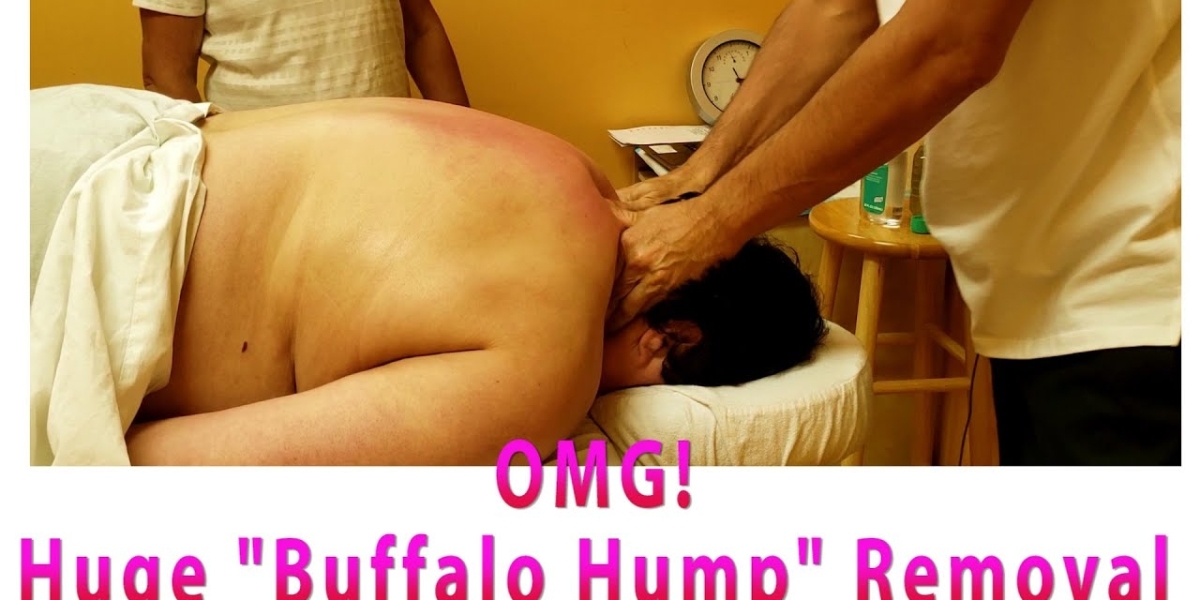
Before considering a transformation, it is helpful to recognize why this specific fat deposit can be so stubborn. Unlike the soft subcutaneous fat found elsewhere on the body, the "buffalo hump" is often composed of dense, fibrous adipose tissue. This structural difference explains why rigorous diet and exercise programs often fail to reduce its size. Whether the cause is genetic, hormonal, or linked to medication, the tissue requires precise intervention to be effectively contoured.
Specialized Techniques for Aesthetic Transformation
Modern aesthetic medicine in Riyadh offers a variety of surgical and procedural options designed to safely debulk this area. The choice of technique depends on the density of your specific tissue and your desired final contour.
Advanced Liposuction (The Contouring Standard)
For many patients, liposuction is the most effective way to achieve a significant, smooth reduction with minimal downtime.
Energy-Assisted Technologies: Specialists often employ VASER (ultrasound-assisted) or laser-assisted liposuction. These modern tools are specifically engineered to liquefy dense, fibrous fat before it is extracted. This process minimizes trauma to the surrounding area and, importantly, encourages the skin to retract and tighten, preventing the sagging that can occur after fat removal.
Minimal Invasiveness: By using small, discreet entry points, these methods ensure that the path to a transformed back is as subtle as possible, with very little visible scarring.
Surgical Excision (The Definitive Solution)
In cases where the fat pad has matured into an exceptionally large or rigid mass, direct surgical excision may be the most reliable path to transformation.
Physical Removal: This approach involves a controlled incision that allows the specialist to physically remove the tissue bulk. It is the gold standard for achieving a perfectly flat surface when the tissue is too hardened for suctioning alone.
Natural Blending: Expert surgeons carefully plan the excision to ensure the remaining skin blends perfectly with the natural curvature of your back, avoiding any visible "step-offs" or uneven patches.
The Consultation and Diagnostic Journey
Your transformation begins with a personalized consultation. This professional assessment is crucial for achieving an aesthetic result that looks natural and proportionate to your unique frame:
Anatomical Mapping: The specialist will assess the borders of the fat pad to ensure the removal process respects your shoulder anatomy and spinal alignment.
Skin Quality Assessment: Determining the elasticity of your skin helps the surgeon decide on the best technique to ensure the area heals smoothly and stays firm over time.
Expectation Setting: A clear, honest discussion about the transformation—what can be achieved, how the recovery will look, and how the results will integrate with your overall silhouette—ensures that you feel prepared and confident.
Recovery and Aftercare for a Smooth Result
The recovery period is an essential step in your aesthetic transformation. To ensure the area heals into a smooth, refined contour, patients follow these key guidelines:
Compression Support: Wearing a medical-grade compression garment for the prescribed period is vital. This provides the constant, gentle pressure needed to help your skin adhere to the underlying muscle and prevents fluid buildup (seromas).
Graduated Return to Activity: While you can often resume light, daily tasks quickly, avoiding heavy lifting and intense upper-back strain for a few weeks is key. This protects the healing site and allows your body to dedicate its energy to finalizing the contour.
Long-Term Silhouette Maintenance: After the transformation, maintaining a stable weight through balanced nutrition and regular activity ensures that your new, sleeker profile remains consistent and that you continue to feel your best.
Achieving Your Goal
Buffalo hump removal is more than just a procedure; it is an aesthetic transformation that can enhance your posture, increase your comfort, and give you the freedom to wear the clothing you love without self-consciousness. By choosing an experienced team in Riyadh and utilizing the latest in contouring technology, you can successfully resolve the appearance of the dorsocervical fat pad. The result is a lighter, more graceful, and naturally aligned upper back that reflects your personal aesthetic goals and enhances your overall confidence.