
Skin tag removal treatments in Dubai(علاجات إزالة الزوائد الجلدية في دبي)are small, benign growths that commonly appear on areas of the body where skin experiences friction, such as the neck, underarms, eyelids, and groin. While harmless, they can become irritating, catch on clothing or jewelry, or simply affect one’s appearance. For individuals seeking safe and effective removal, dermatologist-recommended treatments remain the gold standard.
What Are Skin Tags and Why Do They Form?
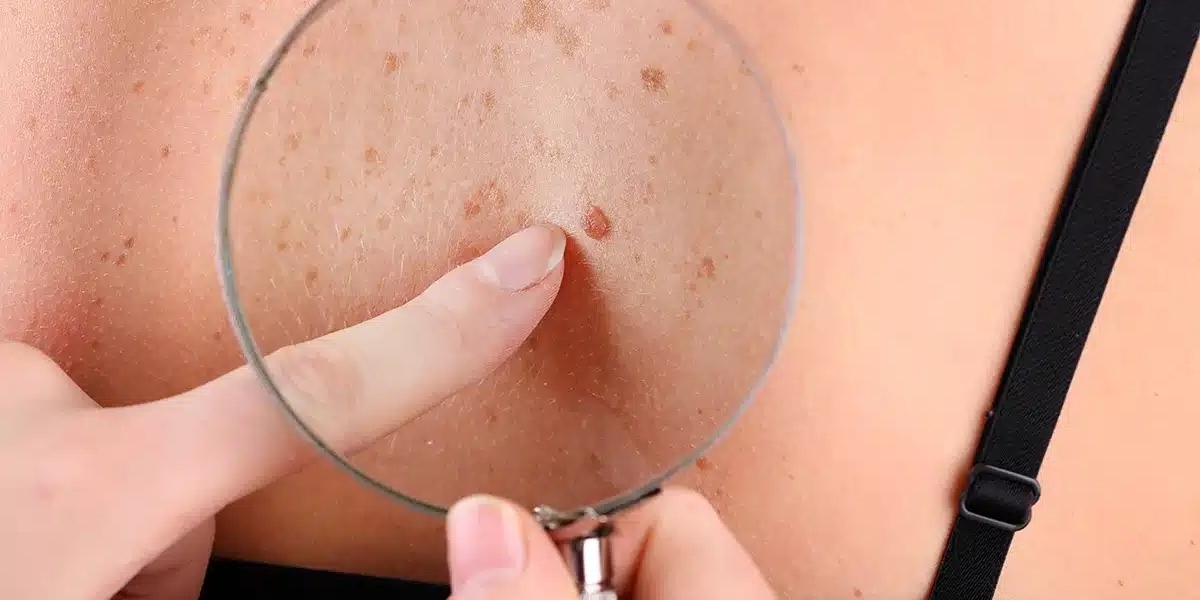
Skin tags, medically known as acrochordons, are soft, flesh-colored growths that hang from the skin by a thin stalk. They are composed of collagen fibers and blood vessels surrounded by skin.
Common Causes and Risk Factors:
Dermatologists associate skin tags with several contributing factors:
- Friction from skin rubbing against skin or clothing
- Obesity or excess body weight
- Hormonal changes such as pregnancy
- Aging and decreased skin elasticity
- Genetic predisposition
- Insulin resistance and metabolic syndrome
Although they are non-cancerous, a proper diagnosis is essential to rule out other skin conditions that may resemble skin tags.
Why Choose Dermatologist-Recommended Treatments?
While many over-the-counter and home remedies exist, dermatologists emphasize professional care for several reasons:
- Accurate diagnosis to differentiate from warts, moles, or skin cancers
- Reduced risk of infection or scarring
- Controlled and sterile procedures
- Faster and more reliable results
- Appropriate treatment selection based on skin type and lesion characteristics
Professional evaluation ensures both safety and effectiveness, particularly for skin tags in sensitive or visible areas.
Clinical Skin Tag Removal Methods Explained:
Dermatologists use several proven techniques to remove skin tags efficiently. The choice depends on factors such as size, location, number of tags, and patient preferences.
Cryotherapy (Medical Freezing):
Cryotherapy is one of the most commonly used dermatologist-recommended treatments.
How It Works?
A dermatologist applies liquid nitrogen to the skin tag, freezing the tissue. This causes the cells to break down, leading the skin tag to fall off within days or weeks.
Key Benefits:
- Quick outpatient procedure
- Minimal discomfort
- No need for anesthesia in most cases
- Suitable for small to medium-sized skin tags
Possible Side Effects:
- Temporary redness or swelling
- Blister formation
- Mild skin discoloration in some cases
Cryotherapy is especially effective for patients with multiple small skin tags.
Electrocautery (Burning Technique):
Electrocautery uses controlled heat generated by an electric current to remove skin tags.
How It Works?
The dermatologist applies a heated probe to burn off the skin tag while simultaneously sealing blood vessels to minimize bleeding.
Key Benefits:
- Immediate removal
- Precise targeting of the skin tag
- Minimal bleeding during the procedure
- Effective for various sizes of skin tags
Possible Side Effects:
- Mild discomfort during or after the procedure
- Temporary redness or scabbing
- Rare risk of minor scarring
Electrocautery is often recommended for patients who want quick results with high precision.
Surgical Excision (Snipping Method):
Surgical excision involves physically cutting off the skin tag using sterile instruments.
How It Works?
After applying a local anesthetic, the dermatologist uses surgical scissors or a scalpel to remove the skin tag at its base.
Key Benefits:
- Immediate and permanent removal
- Ideal for larger or thick-based skin tags
- Minimal recurrence at the same site
Possible Side Effects:
- Minor bleeding during the procedure
- Slight risk of scarring
- Requires wound care after removal
This method is often preferred for larger growths or those located in areas where other treatments may be less effective.
Ligation (Blood Supply Restriction):
Ligation is a simple yet effective method used for certain types of skin tags.
How It Works?
A small surgical thread or band is tied around the base of the skin tag, cutting off its blood supply. Without nourishment, the skin tag gradually dies and falls off.
Key Benefits:
- Non-invasive procedure
- No cutting or burning involved
- Minimal discomfort
Possible Side Effects:
- Takes several days to weeks for results
- Mild irritation at the site
- Not suitable for all skin tag types
Dermatologists may recommend ligation for smaller skin tags with a narrow base.
Choosing the Right Treatment: Dermatologist’s Approach
Dermatologists evaluate several factors before recommending a treatment plan.
Size and Thickness of the Skin Tag:
- Small tags: Cryotherapy or ligation
- Large tags: Surgical excision or electrocautery
Location on the Body:
- Sensitive areas (eyelids, face): Require careful precision
- High-friction areas: May need more durable removal methods
Number of Skin Tags:
Multiple tags may require combination treatments or staged procedures
Skin Type and Sensitivity:
- Certain skin types may be more prone to pigmentation changes or scarring
- Dermatologists tailor treatments accordingly
Patient Preferences
- Downtime tolerance
- Pain sensitivity
- Cosmetic expectations
A personalized consultation ensures optimal results with minimal complications.
Recovery and Aftercare Guidelines:
Post-treatment care plays a crucial role in healing and preventing complications.
General Aftercare Tips:
- Keep the treated area clean and dry
- Avoid scratching or picking at the site
- Follow prescribed topical treatments if any
- Protect the area from excessive sun exposure
- Monitor for signs of infection such as redness, swelling, or discharge
Healing Time:
- Cryotherapy: A few days to one week
- Electrocautery or excision: One to two weeks
- Ligation: Several days to weeks
Proper aftercare significantly reduces the risk of scarring and promotes smooth healing.
Risks and Considerations:
Although dermatologist-performed procedures are generally safe, some risks may include:
- Temporary skin irritation
- Pigmentation changes (hyperpigmentation or hypopigmentation)
- Minor bleeding or bruising
- Rare chance of infection
Choosing an experienced dermatologist minimizes these risks and ensures proper technique and hygiene.
When Should You Consider Professional Removal?
You should consult a dermatologist if:
- The skin tag changes in color, size, or shape
- It becomes painful or bleeds
- It is located in a sensitive or high-friction area
- You are unsure whether the growth is actually a skin tag
- Over-the-counter treatments have failed
Early evaluation helps prevent misdiagnosis and ensures appropriate care.
Comparing Dermatologist Treatments at a Glance:
Dermatologist-recommended skin tag removal options each have distinct advantages:
- Cryotherapy: Best for small, multiple skin tags with minimal downtime
- Electrocautery: Ideal for precise, immediate removal with controlled bleeding
- Surgical excision: Suitable for large or thick skin tags requiring complete removal
- Ligation: A non-invasive option for select cases with slower results
The choice depends on medical assessment and individual needs rather than a one-size-fits-all approach.
Final Thoughts:
Treatments for removing skin tags(علاجات إزالة الزوائد الجلدية) is a straightforward and safe procedure when performed under the guidance of a qualified dermatologist. While many non-medical remedies are available, dermatologist-recommended treatments provide the highest level of safety, accuracy, and effectiveness.
Understanding the available clinical options—cryotherapy, electrocautery, surgical excision, and ligation—allows individuals to make informed decisions about their skin health. Each method has its own strengths, and a dermatologist can recommend the most appropriate solution based on the size, location, and number of skin tags.
Ultimately, professional evaluation and treatment not only ensure successful removal but also reduce the risk of complications, helping individuals achieve clear, healthy, and confident-looking skin.