
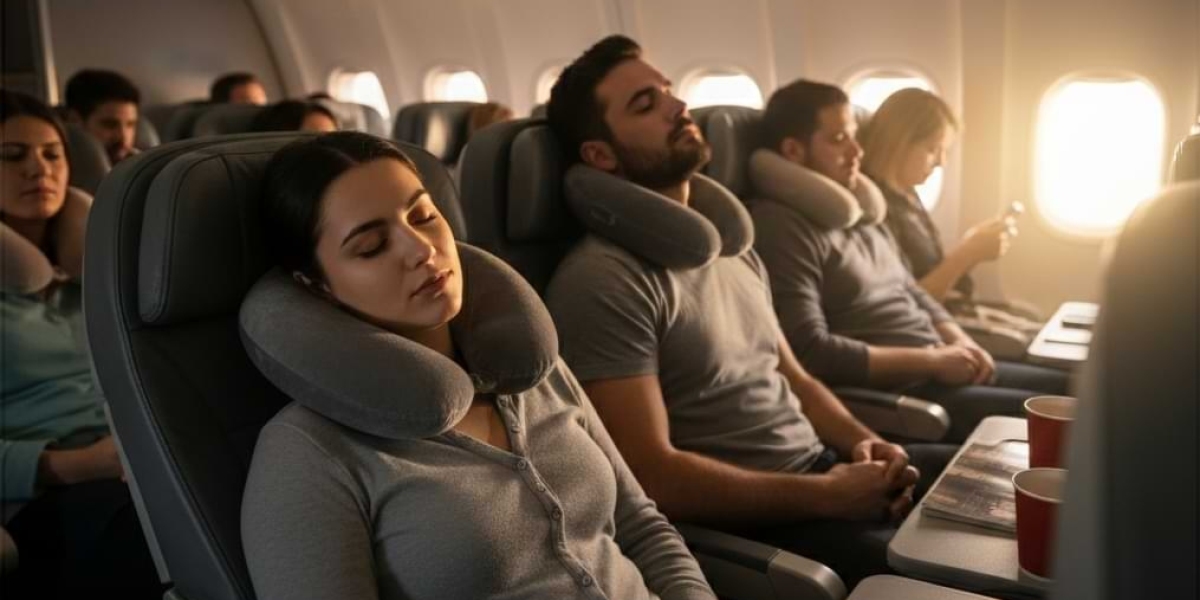

Hey travelers! Whether you're hopping on a long-haul flight from Delhi to Dubai, enduring a bumpy train ride across Rajasthan, or squeezing into a bus for a weekend getaway from Gurugram, one thing's for sure—travel can wreck your neck. You've probably seen those classic U-shaped pillows dangling from backpacks at airports, but do they really make a difference? Spoiler: A good neck pillow for travel isn't just a fancy accessory; it's often the difference between arriving refreshed and feeling like you've been in a wrestling match with gravity.
As someone who's spent years testing travel gear and digging into what actually helps real people sleep better on the go (especially in India's chaotic travel scene), I can tell you this: ignoring neck support during journeys is a recipe for stiffness, headaches, and ruined first days at your destination. Let's break down why a travel neck pillow is important, its real benefits, common myths, and how to pick one that works for you.
The Real Problem: Why Your Neck Suffers on the Road
Airplane seats, train benches, and car headrests are designed for safety, not sleep. When you try to nap upright:
- Your head drops forward (hello, "travel bobblehead").
- Your neck muscles strain to hold it up.
- Poor alignment leads to pinched nerves, muscle tension, and even referred pain to shoulders or back.
In economy class (which most of us fly), cramped space and reclines that barely move make it worse. Add jet lag, turbulence, or pothole-filled roads, and your body pays the price. Many travelers wake up with a stiff neck that lingers for days—ruining vacations or making work trips miserable.
Without support, you're forcing your spine out of its natural curve for hours. Over time, this can contribute to chronic issues, especially if you travel frequently.
Key Benefits of Using a Neck Pillow for Travel
Here are the main reasons why investing in a good neck pillow for travel pays off:
- Prevents Neck Strain and Pain The biggest win. A proper pillow cradles your head and keeps your neck aligned, stopping that painful forward slump. Users often report arriving without the usual post-flight ache.
- Improves Sleep Quality on the Go Even short naps feel deeper when your head isn't flopping around. Better rest means less fatigue when you land—crucial for long journeys or tight schedules.
- Reduces Headaches and Muscle Tension By maintaining better posture, it cuts down on tension that triggers headaches. Great for those prone to migraines during travel.
- Supports Better Overall Posture It encourages neutral spine position, which helps your whole upper body relax. This can ease shoulder and back discomfort too.
- Hygiene and Personal Comfort Your own pillow means no mystery airline blankets or shared headrests. Plus, many modern ones are washable and breathable—perfect for India's humid airports.
- Versatility Beyond Planes Use it on trains, buses, cars, or even at your desk for quick power naps. Some double as lumbar support.
Real talk: If you've ever landed feeling groggy and sore, a neck pillow could change that. Many frequent flyers swear by them for making red-eyes bearable.
(Imagine a traveler comfortably napping on a flight with a supportive neck pillow—head stable, no awkward tilt.)
Common Types of Travel Neck Pillows and Why They Matter
Not all travel pillows are equal. Here's a quick comparison:
- Classic U-Shaped (Memory Foam or Inflatable) Traditional donut shape. Good basic support, but can be bulky and let your head fall forward if not firm enough.
- Wrap-Around or Scarf-Style - These hug one side of your neck, great for side-leaners. Super compact and prevent the bobblehead effect—often rated highest in recent tests.
- Hooded or Full-Enclosure - Block light and noise while supporting your neck. Ideal for light sleepers.
- Adjustable or Inflatable Easy to pack flat, inflate for use. Great for variable needs.
Who Needs a Neck Pillow the Most?
- Frequent flyers on long-haul routes (Delhi to London, anyone?).
- People with existing neck/shoulder issues.
- Side sleepers who lean against windows.
- Anyone tired of waking up stiff after travel.
Even if you don't have chronic pain, prevention is key. One bad nap can spoil your trip.
Tips for Using Your Travel Neck Pillow Effectively
- Position it high on your neck, not low like a scarf.
- For forward-leaners, choose designs with chin support.
- Pair with an eye mask and earplugs for max rest.
- Pack it in carry-on—don't check it!
- Clean it regularly, especially after sweaty summer travels.
Myths Busted: Are Travel Neck Pillows Overrated?
Some say they're useless or just bulky fads. Older U-shaped ones often fail to provide real support (your head still nods forward). But modern designs? They work when chosen right. No clinical study calls them miracle cures, but thousands of travelers report real relief from strain.
If a basic one doesn't help, upgrade to something like a wrap-style—many call it life-changing.
Final Thoughts: Make Your Next Trip More Comfortable
A snooze travel pillow is important because it tackles the #1 complaint of long journeys: neck and head discomfort. It supports better alignment, helps you actually rest, and lets you hit the ground running instead of rubbing a sore neck.
Next time you're packing for that flight or train ride, toss one in. Your body (and your mood) will thank you. Have you tried one? Which type works best for you? Drop a comment—I'd love to hear your travel hacks!
Sweet travels and zero stiffness ahead! ✈️