
Post-Operative Care: Ensuring the Best Results for Chin Reduction in Riyadh
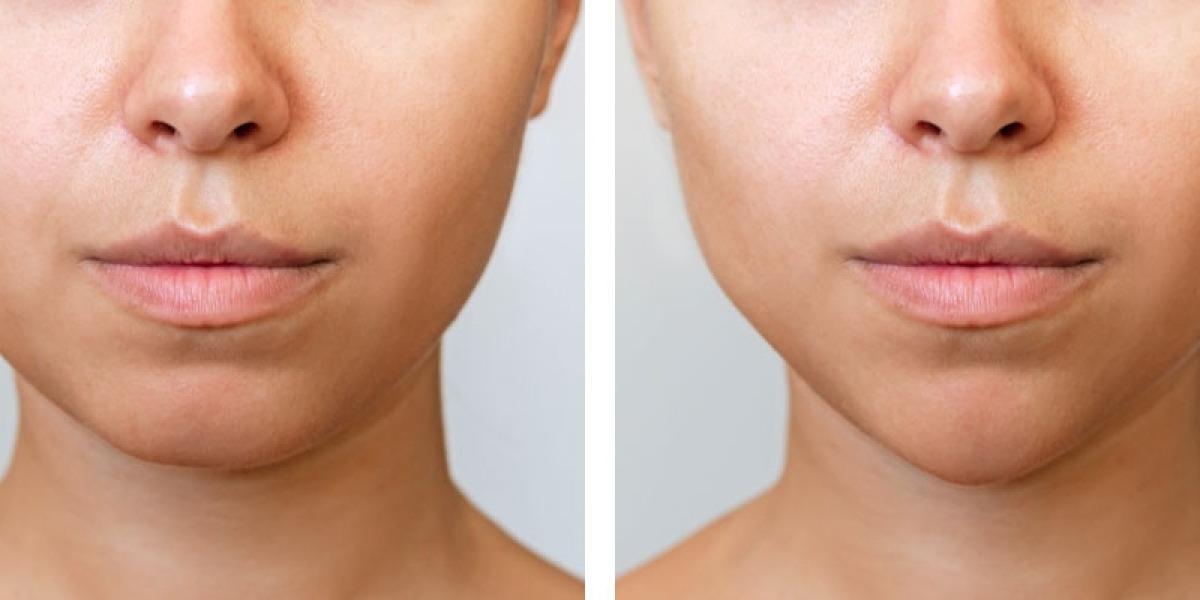
The precision of your surgical plan in Riyadh is only the first step; the quality of your recovery determines the final sharpness of your profile. In 2026, post-operative care for Chin Reduction in Riyadh has become highly standardized, focusing on "Active Recovery" to minimize downtime and prevent complications. Because the surgery involves the facial skeleton, the first 72 hours are critical for managing inflammation, while the following weeks focus on tissue integration. By adhering to these expert-vetted protocols, you can ensure that your results are as crisp and symmetrical as the 3D simulations promised.
1. The Critical 72-Hour Window: Managing Fluid Dynamics
Immediately following surgery, your primary goal is to control the "peak" of swelling, which typically occurs on the second or third day.
The Rule of 45 Degrees: Sleep with your head elevated at a 45-degree angle for at least the first 7 to 10 days. Using a wedge pillow prevents blood and lymphatic fluid from settling in the lower face, which significantly reduces that "heavy" or "tight" feeling.
Thermal Control: Apply cold compresses (not direct ice) for 20 minutes on and 20 minutes off while awake for the first 48 hours. This constricts blood vessels and prevents excessive bruising.
Micro-Movement: While rest is essential, Riyadh clinics recommend a 5-minute gentle walk every two hours while awake to maintain circulation and prevent blood clots.
2. Oral Hygiene and Incision Integrity
Since most chin reductions are performed through internal incisions, keeping the mouth sterile is paramount.
Antiseptic Rinses: You will likely be prescribed a specialized mouthwash (such as Chlorhexidine). Use it after every meal and before bed—at least six times a day—to clear away food debris and bacteria.
Gentle Brushing: Avoid brushing your lower teeth near the incision site for the first week. Use a baby-soft toothbrush for your upper teeth and a gentle "swish-and-spit" technique for the rest.
Avoid Suction: Do not use straws for the first 7 days. The suction force can put undue pressure on the internal sutures and potentially lead to "dehiscence" (the incision opening up).
3. The "Soft-Food" Architecture
Nutrition in 2026 is viewed as a functional tool for bone healing. In Riyadh, surgeons emphasize a diet that provides high caloric value without requiring jaw movement.
Week 1 (Liquid/Pureed): Focus on protein-rich smoothies, lukewarm broths, and Greek yogurt.
The Sodium Factor: Strictly avoid high-sodium foods (processed snacks or salty soups). Salt causes the body to retain water, which can make your chin swelling last weeks longer than necessary.
Bone Support: Many local specialists recommend a Calcium and Vitamin D supplement during the first month to support the remodeling of the reshaped bone.
4. Compression and Support
In 2026, the use of a compression garment (chin strap) is a non-negotiable part of the Riyadh recovery protocol.
24/7 Wear: For the first 7 days, the strap should be worn almost constantly. It acts as a "scaffold," helping the skin and soft tissues adhere tightly to the new bone structure.
The "Face-Bra" Phase: From week 2 to week 4, you may only need to wear the strap at night or while at home. This prevents the "sagging" effect that can occur when gravity pulls on healing tissues.
5. Activity Milestones and the Riyadh Environment
The Saudi climate requires specific post-op precautions to protect your surgical investment.
Sun Protection: The intense Riyadh sun can cause hyperpigmentation in healing tissues. Avoid direct sun exposure for at least 2 weeks, and use SPF 50+ daily, even if you are mostly indoors.
Heat Avoidance: Stay in climate-controlled environments. Excessive heat (from the outdoors or even hot showers) increases blood flow to the face, which can trigger a resurgence of swelling.
The "No-Strain" Rule: Avoid bending over or lifting anything heavier than a laptop for 10 days. Any activity that causes your face to "turn red" is a sign that your blood pressure is too high for your healing vessels.
When to Contact Your Clinic
While mild numbness, "tingling" (nerve healing), and yellow-green bruising are normal, you should contact your Riyadh surgical team immediately if you experience:
Asymmetric Swelling: One side of the chin becoming significantly larger or firmer than the other.
Fever: A temperature over 38.5°C (101.3°F).
Persistent Redness: Redness that spreads toward the neck or cheeks.