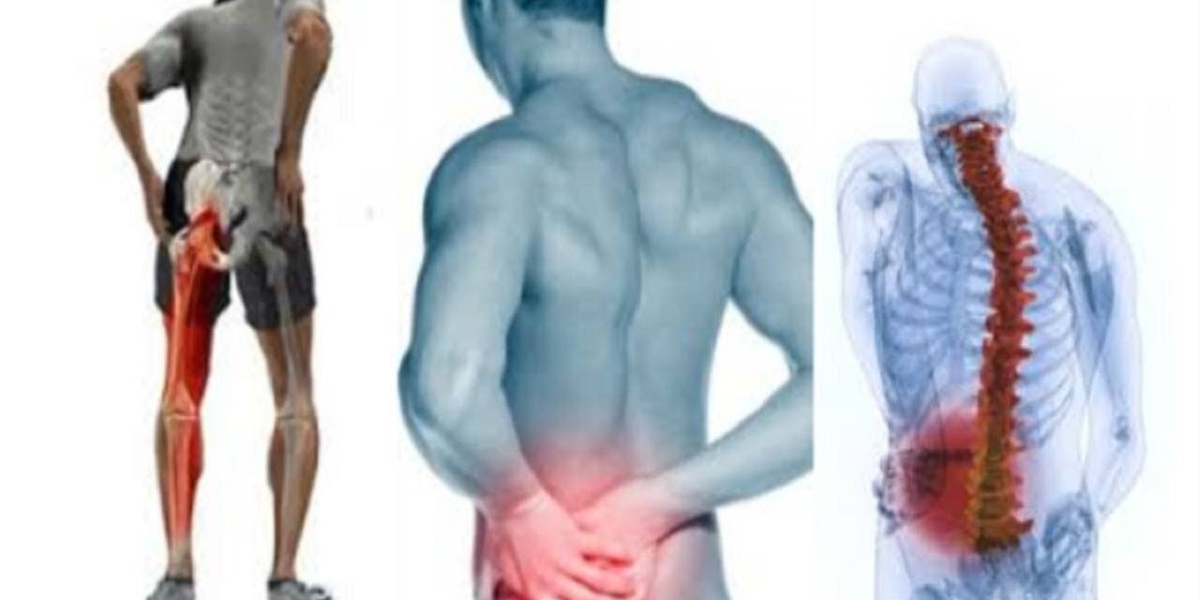

Sciatica pain can feel overwhelming. If you’ve ever experienced sharp, radiating pain from your lower back down your leg, you know how it can disrupt your daily life. In Dallas, busy lifestyles, long hours of sitting, and stress can worsen this condition. Understanding the symptoms, causes, and treatment options is the first step to finding relief. In this article, we’ll guide you through everything you need to know about sciatica and how to manage it effectively with the help of experts.
What is Sciatica Pain?
Sciatica is not just a simple backache. It occurs when the sciatic nerve, the largest nerve in the body, gets compressed or irritated. This nerve runs from your lower back through your hips, buttocks, and down each leg. When it’s affected, it can cause sharp, shooting pain, numbness, or tingling along this pathway.
Unlike general back pain, sciatica pain often affects only one side of the body. Some people may experience mild discomfort, while others feel severe pain that makes walking or sitting difficult. In Dallas, where many people spend long hours at desks or commuting in traffic, sciatica has become a common problem affecting mobility and overall quality of life.
Common Symptoms of Sciatica
Recognizing the symptoms early is key to getting timely treatment. Sciatica typically presents with:
Sharp or burning pain starting from the lower back and radiating down the leg.
Numbness or tingling in the leg or foot, sometimes described as a pins-and-needles sensation.
Muscle weakness that makes it difficult to move your leg or foot.
Pain that worsens with prolonged sitting or standing, making daily activities uncomfortable.
According to research, nearly 40% of adults will experience sciatica at some point in their lives, and early recognition significantly improves outcomes. By identifying these symptoms, you can take steps before the pain becomes chronic.
Causes of Sciatica Pain
Sciatica doesn’t appear without a reason. Some of the most common causes include:
Herniated or slipped discs: The soft material inside a spinal disc can press on the sciatic nerve.
Spinal stenosis: Narrowing of the spinal canal can compress nerves.
Piriformis syndrome: The piriformis muscle in the buttocks irritates the sciatic nerve.
Injury or trauma: Accidents or falls can damage the nerve or surrounding structures.
Age-related changes: Degenerative disc disease becomes more common with age, increasing the risk of nerve compression.
In Dallas, lifestyle factors such as prolonged sitting, sedentary habits, and heavy commuting may contribute to these conditions. Understanding the root cause is essential for choosing the right treatment.
Diagnosis of Sciatica Pain in Dallas
Proper diagnosis offers you receive effective treatment. When you visit a pain management clinic in Dallas, specialists will conduct a thorough physical exam and review your medical history. They may also use imaging tests, like X-rays or MRIs, to identify the exact source of nerve compression.
Early diagnosis is important because untreated sciatica can worsen over time, leading to chronic pain and limited mobility. With local expertise, you can get a precise evaluation customized to your needs and lifestyle.
Treatment Options for Sciatica in Dallas
Managing sciatica effectively often requires a combination of approaches. Depending on the severity, options range from conservative care to interventional procedures.
Non-Surgical Treatments
Many people start with non-surgical therapies, which can be highly effective for mild to moderate cases. These may include:
Physical therapy and stretching exercises designed to strengthen muscles supporting the spine.
Pain medications, such as NSAIDs or muscle relaxants, to manage inflammation and discomfort.
Heat or cold therapy to reduce pain and swelling.
Lifestyle adjustments, including posture correction and activity modifications, which are particularly important for office workers in Dallas.
Even small changes, like adjusting your workstation or taking short walking breaks, can make a noticeable difference.
Interventional Procedures
If conservative methods aren’t enough, specialists may recommend interventional procedures. These include:
Epidural steroid injections to reduce inflammation around the nerve.
Nerve blocks that temporarily relieve pain in targeted areas.
Minimally invasive techniques to address nerve compression without full surgery.
These options provide relief for those who have persistent pain and allow patients to resume daily activities more comfortably.
Surgical Options
In severe cases, surgery may be necessary. Procedures like microdiscectomy or laminectomy are designed to remove the pressure on the sciatic nerve. Surgery is usually considered a last resort when other treatments fail. Consulting a Pain Doctor in Dallas offers that you only undergo surgery when truly needed.
Preventing Sciatica Pain
Prevention is always better than treatment. While not all cases can be avoided, certain habits can reduce your risk:
Regular exercise and stretching to maintain flexibility and spinal health.
Maintaining proper posture for long hours at a desk.
Keeping a healthy weight to minimize stress on the spine.
Using ergonomic furniture or supportive seating during commutes.
Incorporating these habits into your daily routine can lower the chance of future sciatica flare-ups.
FAQs
How long does sciatica pain last?
For most people, mild sciatica resolves within a few weeks with proper care, though chronic cases may require ongoing management.
When should I see a pain management specialist in Dallas?
If pain persists longer than a week or worsens with movement, consulting a specialist is recommended.
Are there minimally invasive treatments for sciatica available locally?
Yes, Dallas clinics offer nerve blocks and targeted injections that relieve pain without full surgery.
Can lifestyle changes prevent sciatica from returning?
Absolutely. Regular exercise, posture correction, and ergonomic adjustments play a significant role in prevention.
Do Dallas insurance plans cover sciatica treatments?
Most insurance plans in Dallas cover diagnostic evaluations and standard treatments. It’s best to confirm with your provider.
Conclusion
Sciatica pain can be debilitating, but with proper understanding and timely intervention, relief is possible. From lifestyle changes to targeted therapies, Dallas residents have access to a range of treatments customized to their needs. If you are struggling with persistent sciatic pain, consulting an experienced specialist like Rao K. Ali MD at a trusted clinic can help you regain comfort and mobility. Remember, early diagnosis and a proactive approach are key to living pain-free.