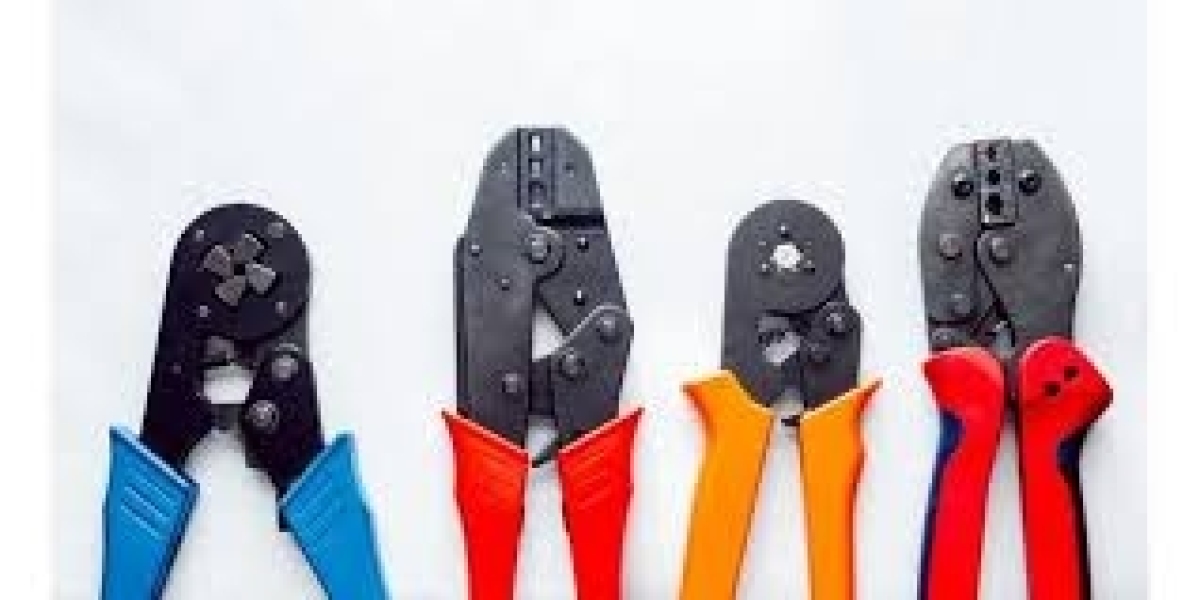

In workshops, construction sites, and electrical labs around the world, one device quietly ensures safety and reliability—the crimping tool. While it may not look as impressive as high-powered drills or cutting machines, this essential hand tool plays a critical role in creating secure electrical and mechanical connections.
From electricians to automotive technicians, professionals rely on crimping tools to form tight, durable joints without soldering. If you’re looking to understand how this tool works and why it matters, this comprehensive guide will walk you through everything you need to know.
What Is a Crimping Tool?
A crimping tool is a specialized hand tool used to join connectors to wires or cables by deforming one or both materials to hold them together. Instead of melting metal like soldering, crimping uses mechanical pressure to create a firm, stable bond.
This process ensures conductivity, reduces resistance, and prevents wires from loosening over time. Whether you’re installing network cables or repairing automotive wiring, the right crimping tool guarantees a professional finish.
Why Crimping Is Better Than Twisting or Taping
Many beginners attempt quick fixes by twisting wires together and wrapping them in tape. While this may work temporarily, it often leads to loose connections, signal interference, or safety hazards.
A proper crimp:
Ensures strong electrical conductivity
Minimizes corrosion
Provides mechanical strength
Meets industry safety standards
In high-performance environments, reliability is non-negotiable. That’s where a crimping tool becomes indispensable.
Types of Crimping Tools
Not all crimping tools are the same. Different projects require different designs and capabilities.
1. Hand Crimping Tools
These are the most common and ideal for light to medium tasks. They are compact, affordable, and easy to use for household wiring, speaker systems, and small repairs.
2. Ratchet Crimping Tools
Ratchet mechanisms ensure consistent pressure before releasing the handle. This prevents under-crimping and guarantees uniform results, making them popular among professionals.
3. Hydraulic Crimping Tools
Used for heavy-duty industrial applications, hydraulic tools apply significant force with minimal effort. They are perfect for large cables and power distribution systems.
4. Network Crimping Tools
Designed for Ethernet and communication cables, these tools precisely attach connectors like RJ45 plugs to networking wires.
Choosing the right crimping tool depends on your project scale and cable type.
Key Features to Look for in a Crimping Tool
When purchasing a crimping tool, consider the following factors:
Ergonomic Design
Comfortable handles reduce fatigue during extended use. Non-slip grips improve control and safety.
Adjustable Die Sets
Interchangeable dies allow versatility, enabling you to handle various connector sizes.
Durable Construction
High-quality steel ensures long-lasting performance and consistent crimping pressure.
Built-In Cutting and Stripping Functions
Some advanced tools combine crimping, cutting, and wire stripping into one device, enhancing efficiency.
Investing in a high-quality crimping tool saves time and prevents costly wiring failures.
How to Use a Crimping Tool Properly
Using a tool crimping may seem straightforward, but precision matters. Follow these steps for best results:
Strip the Wire: Remove the correct amount of insulation without damaging the conductor.
Insert the Connector: Slide the exposed wire into the connector terminal.
Position the Tool: Place the connector inside the crimping die.
Put Pressure on It: Tighten the handles until the crimp is finished.
Test the Connection: Gently tug the wire to ensure it is securely fastened.
Proper technique ensures both mechanical stability and electrical performance.
Applications Across Industries
The versatility of a crimping tool extends across multiple sectors:
Electrical Installations: Secure connections in residential and commercial wiring.
Automotive Repairs: Reliable wiring harness assembly.
Telecommunications: Networking and data cable termination.
Aerospace and Marine: High-performance wiring under demanding conditions.
In each case, safety and durability depend heavily on accurate crimping.
Common Mistakes to Avoid
Even experienced users can make errors. Here are common issues to watch for:
Using the wrong connector size
Applying insufficient pressure
Damaging wire strands during stripping
Over-crimping and weakening the connector
Attention to detail ensures consistent and professional results.
The Future of Precision Connections
As technology evolves, wiring systems become more complex and compact. Smart homes, electric vehicles, and advanced communication networks all rely on dependable electrical connections.
The crimping tool continues to evolve alongside these innovations, offering improved ergonomics, precision dies, and even battery-powered options. What remains unchanged is its core purpose: creating strong, safe, and lasting connections.
Final Thoughts
Though small in appearance, the crimping tool holds immense importance in modern engineering and electrical work. It transforms fragile wires into secure systems that power homes, vehicles, and communication networks.
Whether you’re a DIY enthusiast or a professional technician, mastering the use of a crimping tool elevates the quality of your work. Reliable connections are the backbone of every successful project—and it all begins with the right tool in your hand.
Check Out More Latest Articles: Click Here