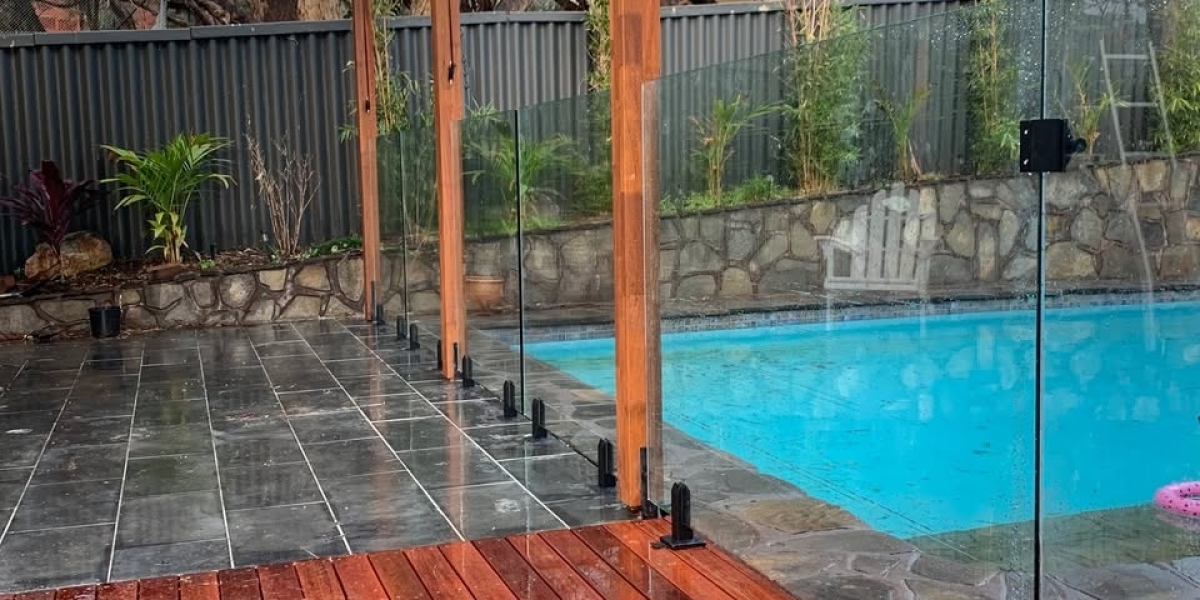

Pool fence installation is essential for maintaining safety, meeting legal compliance, and enhancing the appearance of your outdoor area. However, many homeowners make avoidable mistakes during the planning or installation process that can lead to safety risks, failed inspections, or additional costs. Understanding these common errors—and how to prevent them—will help ensure your pool fence remains secure, compliant, and long-lasting.
1. Ignoring Local Safety Regulations
One of the most frequent mistakes is not fully understanding local pool fencing laws. In Australia, regulations vary by state and council, covering fence height, gate functionality, and non-climbable zones. Failing to meet these requirements can result in fines or the need for reinstallation.
How to avoid it: Always review local council guidelines or consult a professional installer before starting your project.
2. Incorrect Fence Height or Gap Measurements
Improper measurements—such as gaps that are too wide or fences that are too low—are a major cause of compliance failure. Even small measurement errors can allow children or pets to access the pool area.
How to avoid it: Follow Australian Standard requirements carefully and double-check all spacing during installation.
3. Poor Gate Installation
The pool gate is one of the most critical safety components, yet it is often installed incorrectly. Gates that do not self-close or self-latch properly create serious risks.
How to avoid it: Ensure the gate opens outward, self-closes from any position, and has a latch placed out of children’s reach.
4. Creating Climbable Zones Near the Fence
Placing furniture, planters, or decorative features near the fence can unintentionally create climbable areas that compromise safety.
How to avoid it: Maintain a clear non-climbable zone around the entire pool barrier, including removing nearby objects that could act as steps.
5. Choosing the Wrong Fencing Material
Some homeowners select materials based solely on appearance or price, without considering durability or maintenance needs. This can lead to early wear, rust, or reduced visibility around the pool.
How to avoid it: Compare materials such as frameless glass and aluminium based on your environment, budget, and maintenance preferences.
6. DIY Installation Without Proper Experience
While DIY pool fence installation may seem cost-effective, incorrect alignment, weak fittings, or non-compliant layouts can create long-term issues.
How to avoid it: Hiring experienced professionals ensures accurate installation and compliance with safety standards.
7. Not Accounting for Ground Levels and Surface Changes
Uneven ground or shifting soil can create gaps under the fence over time, leading to safety risks.
How to avoid it: Plan for proper ground preparation and use adjustable fittings where necessary.
8. Skipping the Compliance Inspection
Some homeowners assume their fence meets regulations without arranging a formal inspection. This can cause problems when selling the property or during council checks.
How to avoid it: Always schedule a compliance inspection after installation to confirm your fence meets legal standards.
9. Poor Maintenance After Installation
Even a properly installed fence can become unsafe if not maintained. Loose hinges, worn latches, or damaged panels reduce effectiveness over time.
How to avoid it: Conduct regular checks and clean or repair components as needed. Safety organisations such as Royal Life Saving Australia recommend ongoing maintenance to help prevent accidents.
10. Focusing Only on Appearance
While modern pool fences can enhance outdoor design, prioritising style over safety can result in non-compliant structures.
How to avoid it: Choose a design that balances aesthetics with functionality and legal requirements.
Final Thoughts
Avoiding common pool fence installation mistakes is key to creating a safe and compliant pool area. By understanding regulations, using quality materials, and working with experienced professionals, homeowners can ensure their pool fence provides long-term protection while enhancing the value and appeal of their property.