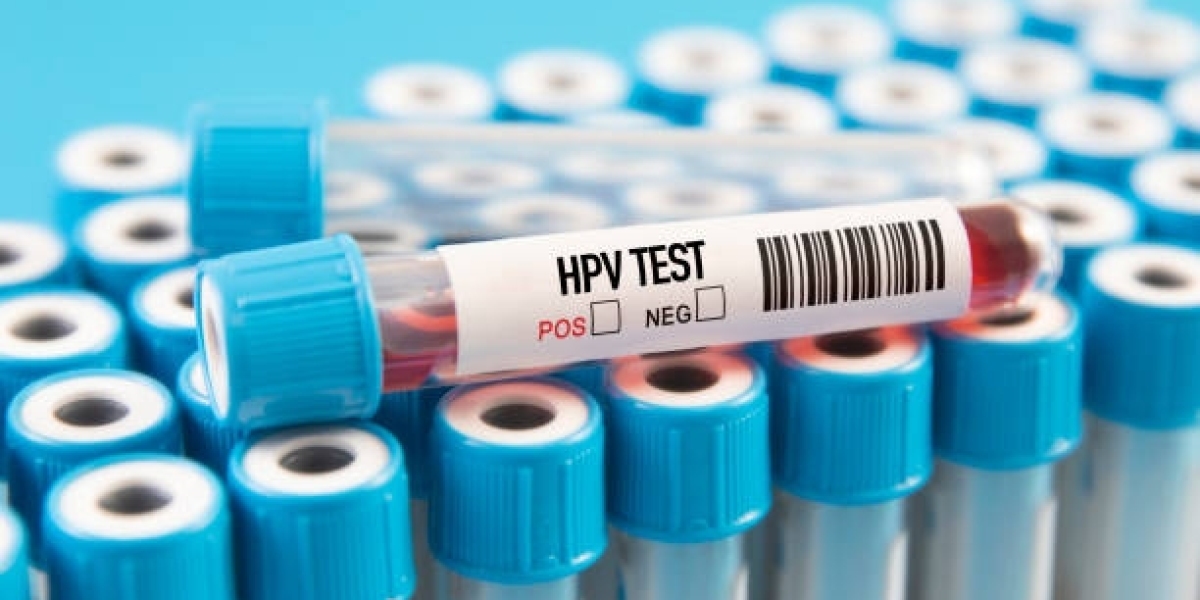

Integrating the HPV test into routine health checkups has become increasingly important in preventive care. Human papillomavirus (HPV) is a common infection, and certain high-risk strains are closely linked to cervical cancer. Including HPV Test in Dubai in regular screenings allows early detection of persistent infections, monitoring of cervical cell changes, and timely intervention, all of which contribute to long-term reproductive health.
Understanding the HPV Test:
The HPV test detects the presence of high-risk HPV DNA in cervical cells. A healthcare provider collects a small sample using a soft brush or swab during a pelvic exam. Unlike a Pap smear, which identifies abnormal cervical cells, the HPV test identifies the virus itself. Detecting high-risk strains before cell abnormalities develop is crucial for preventing cervical cancer.
HPV testing can be performed alone as primary screening or alongside a Pap smear in co-testing. Both approaches provide a comprehensive view of cervical health and inform follow-up strategies if infections are detected.
Why Routine Screening Matters?
Many HPV infections are asymptomatic, meaning individuals may carry high-risk strains without knowing it. Without routine screening, persistent infections can go undetected until abnormal cervical cells develop. Early identification through HPV testing ensures timely monitoring and treatment, significantly reducing the risk of progression to cervical cancer.
Routine screening also provides reassurance. A negative HPV test confirms low risk, allowing longer intervals between screenings while maintaining preventive care.
Age Recommendations for HPV Testing:
Screening guidelines vary by age:
Ages 21–29: Pap smear every three years is recommended; HPV testing is generally performed only if abnormal cells are detected
Ages 30–65: Primary HPV testing every five years is preferred, or co-testing with Pap smear is an alternative
Over 65: Screening may be discontinued if prior results have been consistently negative and there is no history of cervical dysplasia
Including HPV testing in routine health checkups after age 30 is especially important because persistent high-risk infections are more likely to cause cervical cell changes in this age group.
Benefits of Including HPV Testing in Checkups:
Adding the HPV test to routine checkups provides multiple advantages:
Early detection of high-risk HPV strains before abnormal cells appear
Monitoring for persistent infections that could progress to precancerous lesions
Peace of mind with negative results, reducing anxiety about cervical health
Informed guidance for follow-up testing or treatment if positive
Integrating HPV testing into regular checkups streamlines preventive care, allowing healthcare providers to manage risk effectively without unnecessary procedures.
Addressing Common Concerns:
Some individuals worry that HPV testing is invasive or painful. In reality, the test is quick and minimally uncomfortable, involving only a gentle swab of the cervical cells. Any mild pressure or temporary cramping is brief, and the benefits of early detection far outweigh momentary discomfort.
Another concern is the emotional impact of a positive result. High-risk HPV is common, and a positive test does not mean cancer is present. Most infections clear naturally, while persistent infections are monitored to prevent progression. Open communication with healthcare providers helps manage anxiety and ensures clarity about next steps.
Co-Testing for a Comprehensive Approach:
Combining HPV testing with a Pap smear during routine checkups provides a more thorough assessment of cervical health. The HPV test identifies high-risk viral DNA, while the Pap smear detects any abnormal cervical cells. Co-testing allows earlier detection of potential issues and guides appropriate follow-up, making it a valuable option for individuals over 30.
Lifestyle and Prevention Measures:
Routine HPV Test complements other preventive strategies. Vaccination protects against the most carcinogenic HPV strains, while lifestyle measures such as maintaining a healthy immune system, avoiding smoking, and practicing safe sexual behavior reduce the risk of persistent infections. Even after vaccination, regular testing remains essential to detect strains not covered by the vaccine.
Key Takeaways:
Including the HPV test in routine health checkups ensures early detection of high-risk strains and timely monitoring of cervical cell changes. Screening after age 30, particularly through primary HPV testing or co-testing, significantly reduces the risk of cervical cancer. Negative results provide reassurance, while positive results prompt structured follow-up to manage persistent infections effectively.
Final Thoughts:
HPV testing is a proactive step in preventive healthcare. Integrating it into routine checkups empowers individuals to monitor their cervical health, detect high-risk infections early, and prevent progression to cervical cancer. By combining regular screening, vaccination, and healthy lifestyle practices, you can maintain reproductive health with confidence and peace of mind.