
Wigs & Toupees: The Quiet Confidence Nobody Talks About
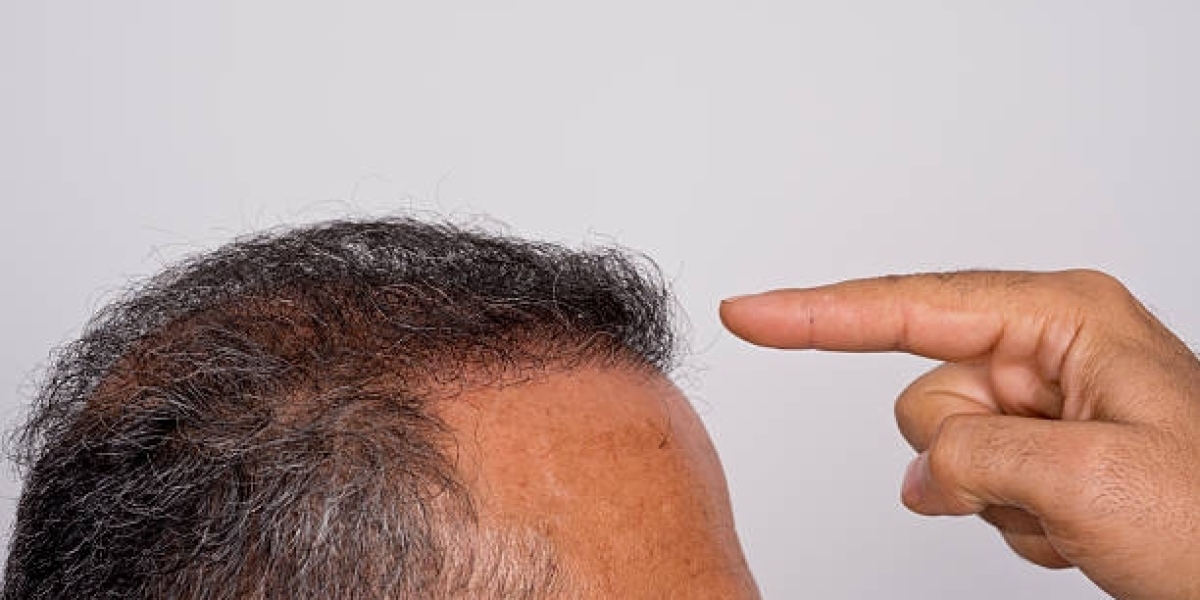
Hair has always carried meaning. It frames the face, signals age, hints at health, sometimes even power. When it starts thinning or disappears altogether, the change isn’t just visual. It’s emotional. People rarely say that part out loud, but it’s there—in mirrors, in photos, in the hesitation before stepping into bright light.
That’s where wigs & toupees enter the conversation. Not loudly. Not dramatically. They don’t promise reinvention. They offer something far more practical: control.
The First Realization
Most people don’t wake up one morning and decide they need a wig or toupee. It happens slowly. A wider parting. A receding edge. Hair left behind on the pillow. At first, it’s easy to ignore. Busy life, stress, genetics—there’s always an explanation.
Then one day, you notice yourself adjusting angles in photos. Standing slightly back from mirrors. Avoiding overhead lighting. That’s usually the moment curiosity begins. Quietly. Late at night. Searching. Reading. Comparing.
Not because vanity took over, but because confidence started slipping through small cracks.
What Wigs and Toupees Really Do
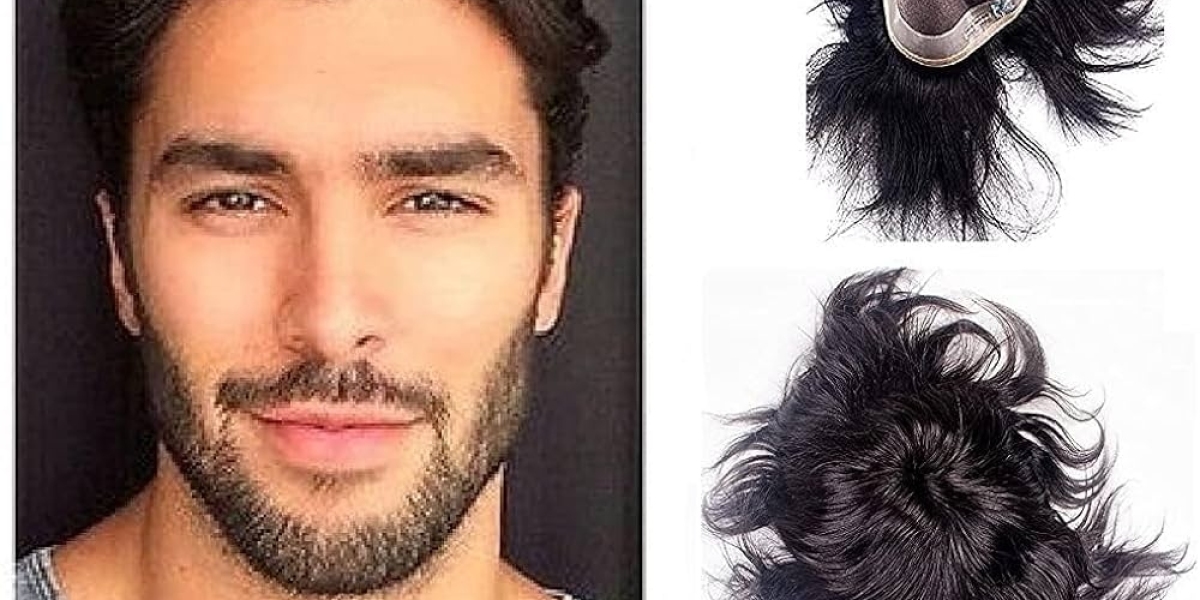
They don’t make someone else out of you. That’s the biggest misconception. Good hair systems don’t change faces; they restore familiarity. People often say, “You look well-rested,” or “Something suits you today,” without being able to point at exactly what’s different.
That subtlety matters.
A well-fitted wig or toupee blends into daily life. It moves naturally. It responds to light the way real hair does. It allows you to stop thinking about what’s missing and focus on what’s happening.
That mental relief is hard to quantify, but once felt, it’s unmistakable.
A Brief Look Back
Hairpieces aren’t a modern invention. Across cultures and centuries, people have used them for status, ritual, practicality, and self-expression. What’s changed is the intention.
Earlier, hair additions were often theatrical or symbolic. Today, they’re personal. Private. Designed to disappear rather than announce themselves.
Technology improved, yes—but so did understanding. Modern hair solutions are built around real lives: commuting, sweating, aging, moving through unpredictable days.
Wigs vs. Toupees: The Real Difference
The distinction is simpler than many assume.
Wigs cover the entire scalp. They’re often chosen when hair loss is widespread or when someone wants complete freedom over style, length, or color. Toupees focus on specific areas—crown, front, or top—where thinning is most noticeable.
Neither is “better.” They serve different needs.
What matters more is fit, material, and how well it aligns with the wearer’s lifestyle. Someone who travels daily, works long hours, or lives in a humid environment will need a different approach than someone who wears it occasionally.
Materials That Change Everything
This is where experience shows.
Natural hair offers realism—movement, texture, and response to styling tools. It ages like real hair does. It can be washed, cut, and adjusted over time.
Synthetic options, when done well, hold their shape beautifully. They’re predictable. Low-maintenance. Less sensitive to weather. Ideal for people who don’t want daily styling decisions.
The choice isn’t about authenticity versus convenience. It’s about rhythm. How much time you want to spend. How much flexibility you need. How you live.
The Importance of the Base
Most people focus on hair. Professionals focus on what’s underneath.
The base determines comfort, breathability, and how natural everything looks up close. A poorly designed base feels heavy. It traps heat. It creates awareness throughout the day—something constantly reminding you it’s there.
A good base disappears. You forget about it after the first few minutes. It allows air, adjusts to scalp shape, and sits flush without tension.
This is where many first-timers make mistakes: prioritizing appearance over feel. The truth is, discomfort always shows eventually—through posture, touch, or constant adjustment.
Attachment Without Anxiety
People worry about security. Will it move? Will someone notice? What if it lifts?
These concerns are normal. They also fade quickly when attachment is done right.
Modern attachment methods are designed for real movement—walking, working, sweating, even swimming. Once applied correctly, the system becomes stable, predictable, boring in the best way possible.
And boring is good. It means you’re not thinking about it.
Styling That Matches Real Life
The biggest giveaway has never been hair quality. It’s styling.
Perfect hair looks suspicious. Hair that moves slightly out of place looks real.
Experienced wearers learn this quickly. Softer hairlines. Imperfect density. Natural irregularities. These details create believability.
The goal isn’t to look twenty again. It’s to look like yourself on a good day.
Emotional Adjustment Takes Time
There’s a moment—usually alone—when someone sees themselves wearing it for the first time. Reactions vary. Relief. Surprise. Sometimes a quiet sadness mixed with gratitude.
That’s normal.
Wigs and toupees don’t erase the journey that led to them. They acknowledge it. They offer a way forward without pretending nothing changed.
Confidence returns gradually. Not because of how others react, but because self-consciousness loosens its grip.
Living With It, Not For It
The healthiest relationship with a hair system is practical, not emotional.
You clean it. Maintain it. Replace it when needed. Just like glasses, shoes, or watches.
When people stop treating it as a secret and start treating it as a tool, life gets easier. You don’t perform for it. It serves you.
Common Mistakes People Make
Choosing density that’s too heavy. Ignoring climate. Skipping professional fitting. Expecting instant emotional transformation.
Hair helps, but it doesn’t solve everything. It supports confidence; it doesn’t create it from nothing.
Those who understand this early tend to be happiest long-term.
Maintenance Is a Conversation, Not a Chore
Maintenance doesn’t need to be complicated. It needs to be consistent.
Gentle washing. Thoughtful storage. Occasional adjustments. These routines become second nature quickly, especially when weighed against the freedom they provide.
Neglect shortens lifespan. Overdoing it does too. Balance matters.
Social Moments Feel Different
There’s a moment when someone realizes they’re no longer scanning rooms for reflections. No longer worried about wind. No longer adjusting posture for angles.
They’re just… present.
That’s when wigs and toupees stop being about hair and start being about attention—where it goes, and where it no longer wastes itself.
The Quiet Confidence
The best compliment isn’t “Your hair looks amazing.”
It’s when nobody mentions it at all.
Because nothing feels off. Nothing draws attention. Nothing distracts.
That silence is powerful.
Final Thoughts
Wigs and toupees aren’t about hiding. They’re about choosing how you show up.
They give back something subtle but essential: the ability to forget what you were worried about and focus on what actually matters—work, relationships, moments, movement, life itself.
And when done right, they don’t change who you are.
They simply let you recognize yourself again.