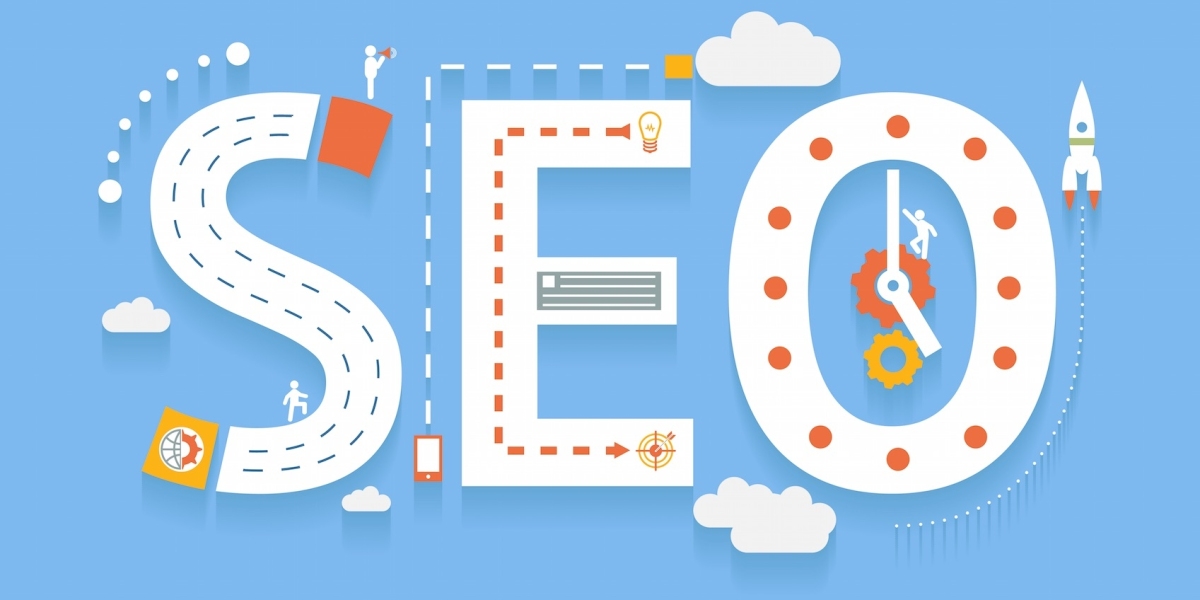

In business strategy, a “moat” refers to a sustainable advantage that protects a company from competitors. Traditionally, moats have included brand loyalty, patents, exclusive supply chains, or cost leadership. In the digital era, however, Search Engine Optimization has become one of the most powerful long-term competitive moats a business can build.
When executed strategically, SEO does more than drive traffic. It builds visibility, authority, and trust that competitors cannot easily replicate. Over time, this accumulated strength forms a protective barrier around your market position.
Understanding the Concept of a Digital Moat
A moat is not about temporary advantage. It is about durability.
Paid advertising can generate instant visibility, but once spending stops, traffic disappears. Social media can create engagement, but algorithm changes can reduce reach overnight. SEO, when structured correctly, compounds over time.
Search engines like Google prioritize relevance, authority, and user experience. When your website consistently meets these standards, it becomes deeply embedded in search results. That embedded presence acts as a defensive wall against competitors.
The longer you invest in SEO, the stronger the moat becomes.
Authority as a Defensive Wall
One of the strongest elements of an SEO moat is authority.
Authority develops through:
High-quality backlinks
Comprehensive content
Consistent publishing
Positive user engagement
Brand recognition
When your domain earns trust from both users and search engines, new competitors face a steep uphill battle. They may replicate your services or pricing, but they cannot instantly replicate years of accumulated authority.
Major algorithm updates, such as the Google Core Update, often reinforce established authority rather than disrupt it — provided the website maintains quality standards.
Authority protects rankings from volatility.
Topical Dominance as Market Control
Another layer of the moat comes from topical dominance.
Instead of targeting isolated keywords, a moat-driven strategy builds comprehensive coverage around core themes:
Pillar pages
Cluster content
FAQs
Guides
Supporting blog articles
This approach signals depth of expertise. When your website becomes the most complete resource within a niche, search engines are more likely to prioritize it.
Competitors entering the market must create extensive content ecosystems just to match your baseline authority. That time investment strengthens your lead.
Compounding Organic Traffic
SEO creates compounding returns.
Each optimized page:
Attracts traffic
Earns backlinks
Builds authority
Strengthens internal linking
Over time, these effects multiply. Organic traffic grows not in sudden spikes but in steady upward trends.
This compounding effect lowers customer acquisition costs. As organic leads increase, reliance on paid channels decreases. Reduced marketing costs further reinforce the competitive moat.
Brand Signals Strengthen the Barrier
Search behavior increasingly reflects brand recognition. When users:
Search your brand name directly
Click your listing repeatedly
Spend time engaging with your content
Return for future searches
Search engines interpret these actions as trust signals.
A recognized brand often receives higher click-through rates even when ranking slightly lower. Over time, these engagement signals strengthen positions and widen the competitive gap.
Your brand becomes associated with your industry’s core keywords.
Resilience Against Market Shifts
A long-term SEO moat provides stability during:
Algorithm changes
New competitor entry
Economic fluctuations
Advertising cost increases
Because SEO-driven visibility is organic, it is less vulnerable to budget constraints. When advertising costs rise, businesses with strong organic foundations remain stable.
This resilience turns SEO from a marketing tactic into a strategic asset.
The Time Advantage
Building an SEO moat requires patience. Authority and topical dominance cannot be rushed.
However, this time requirement becomes part of the advantage. New competitors must invest months or years to reach comparable authority. During that time, your brand continues to grow stronger.
Time invested early creates exponential returns later.
Turning SEO Into a Strategic Asset
To build Search Engine Optimization as a competitive moat, businesses should:
Invest in evergreen, high-quality content
Strengthen technical infrastructure
Develop a consistent backlink acquisition strategy
Align content with search intent
Monitor and refine performance regularly
SEO should be integrated into long-term business planning — not treated as a short campaign.
Final Thoughts
Search Engine Optimization, when approached strategically, becomes far more than a traffic channel. It becomes a durable competitive advantage.
Authority compounds. Content expands. Brand trust strengthens. Rankings stabilize.
Together, these elements form a digital moat that protects your business from competitive disruption.
In a marketplace where visibility determines opportunity, SEO as a long-term competitive moat ensures not only survival — but sustained leadership.