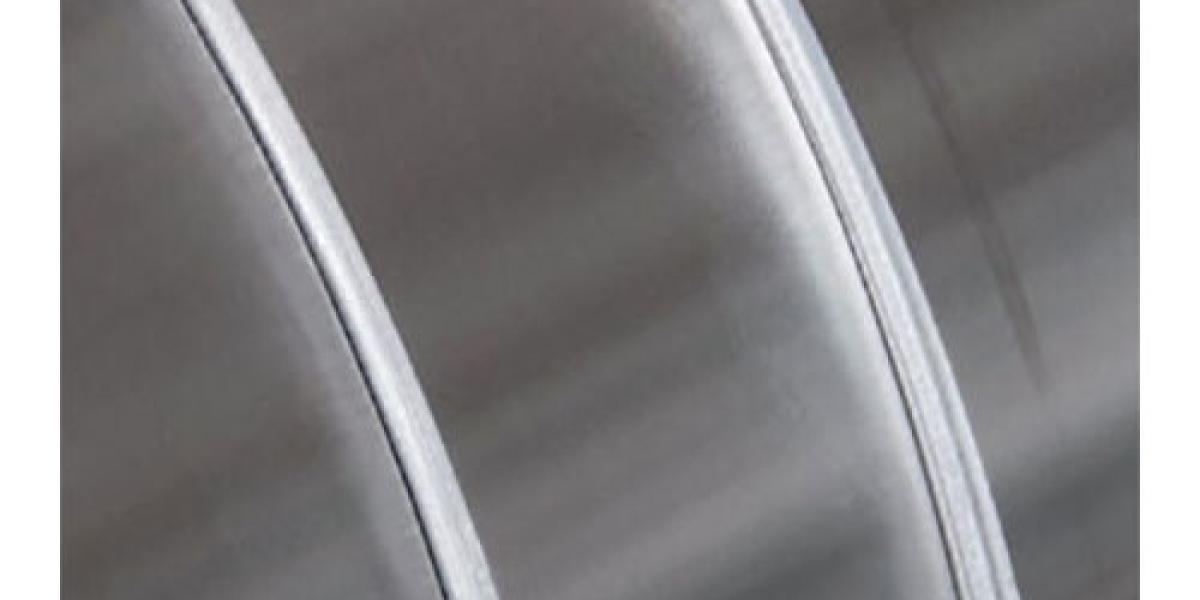

Lithium is a soft, silvery-white alkali metal widely used in modern technology and industry. Among its forms, the lithium strip is particularly important due to its high reactivity, lightweight nature, and excellent electrochemical properties. Lithium strips are critical components in batteries, chemical synthesis, research, and aerospace applications.
This comprehensive guide will cover everything you need to know about lithium strips, including their properties, production, industrial uses, safety considerations, and how to choose the right type for your application.
What Is a Lithium Strip?
A lithium strip is a thin sheet or ribbon of pure lithium metal. These strips are available in various thicknesses and lengths depending on the intended use. Because lithium is highly reactive, lithium strips are typically stored under mineral oil or in airtight, inert conditions to prevent oxidation or reaction with moisture.
Lithium strips are commonly used for:
Anodes in lithium-ion and lithium-metal batteries
Laboratory chemical synthesis and reactions
Scientific research in material science and electrochemistry
Key Properties of Lithium Strips
Lithium strips have several unique properties that make them invaluable in both industrial and research applications:
Lightweight: Lithium is the lightest metal, with a density of 0.534 g/cm³, ideal for applications requiring low weight.
High Reactivity: Reacts readily with water and oxygen, which is useful in controlled chemical reactions.
High Electrochemical Potential: Provides superior energy output, essential for battery technology.
Soft and Malleable: Easily cut, shaped, or rolled into desired dimensions.
Corrosion Resistance: Forms a protective oxide layer in controlled conditions, offering moderate corrosion resistance.
How Lithium Strips Are Produced
The production of lithium strips involves precise industrial processes to maintain purity and quality:
Purification: Lithium metal is purified to remove impurities that could affect performance in batteries or chemical reactions.
Casting: The purified lithium is cast into ingots under inert conditions.
Rolling: Ingots are rolled into thin strips of specific thickness.
Cutting and Packaging: The strips are cut to size and stored under mineral oil or inert gas to prevent oxidation and moisture exposure.
Industrial Applications of Lithium Strips
1. Battery Manufacturing
Lithium strips are essential in energy storage technology:
Lithium-Ion Batteries: Used as anode material in smartphones, laptops, electric vehicles, and other high-performance devices.
Lithium-Metal Batteries: Provide high energy density for aerospace, military, and specialized electronic applications.
2. Chemical Synthesis
Lithium strips act as a reducing agent in laboratory and industrial chemical reactions:
Synthesis of lithium compounds
Organic and inorganic chemical reactions
3. Research and Development
Lithium strips are used extensively in scientific experiments:
Electrochemical studies
Development of new battery chemistries
Material science research
4. Aerospace and Defense
Lithium strips are used in energy storage systems for satellites, drones, and other specialized aerospace equipment due to their high energy density and low weight.
Safety Considerations
Handling lithium strips requires caution due to their high reactivity:
Storage: Always store lithium strips under mineral oil or in airtight containers to prevent reactions with moisture or oxygen.
Protective Equipment: Use gloves, goggles, and protective clothing when handling lithium strips.
Avoid Water Contact: Lithium reacts violently with water, producing flammable hydrogen gas.
Disposal: Dispose of lithium strips according to hazardous material regulations; do not discard in water or regular trash.
Advantages of Using Lithium Strips
High energy density for efficient battery applications
Lightweight, reducing device weight and increasing portability
Soft and malleable for easy handling and shaping
Effective reducing agent in chemical reactions
Suitable for industrial and laboratory use
Choosing the Right Lithium Strip
When selecting lithium strips for your application, consider the following:
Purity Level: High-purity lithium is required for batteries and sensitive chemical reactions.
Dimensions: Thickness and width should match the intended use.
Storage Capabilities: Ensure your facility can store lithium under oil or inert conditions.
Application Requirements: Determine whether the strip is for batteries, chemical synthesis, or research purposes.
Market Trends and Future Outlook
With the growing demand for electric vehicles, renewable energy storage, and consumer electronics, the need for high-quality lithium strips is increasing. Manufacturers are focusing on producing lithium strips with precise dimensions, high purity, and safer handling procedures to meet industrial and research requirements.
As battery technology evolves, particularly with lithium-metal and advanced lithium-ion batteries, lithium strips will continue to play a vital role in modern industries and scientific research.
Frequently Asked Questions (FAQs)
What is a lithium strip used for?
Lithium strips are used in battery anodes, chemical reactions, and scientific research experiments.
How should lithium strips be stored?
They should be stored under mineral oil or in airtight containers to prevent reactions with moisture and air.
Are lithium strips dangerous?
Yes, lithium strips are highly reactive and can ignite or react violently with water. Protective gear is required.
Which industries use lithium strips most?
Battery manufacturing, chemical laboratories, aerospace, and material research rely heavily on lithium strips.
Why are lithium strips important for batteries?
They provide high energy density, lightweight properties, and excellent electrochemical performance, essential for modern rechargeable batteries.
Conclusion
Lithium strips are essential in modern technology, providing lightweight, high-energy, and malleable material for batteries, chemical synthesis, and research. Proper handling, storage, and selection of high-purity lithium strips are crucial for safety and optimal performance.
As the demand for energy storage, advanced electronics, and aerospace applications grows, lithium strips will remain a cornerstone of innovation and industrial development. Understanding their properties and applications ensures maximum efficiency, safety, and reliability.