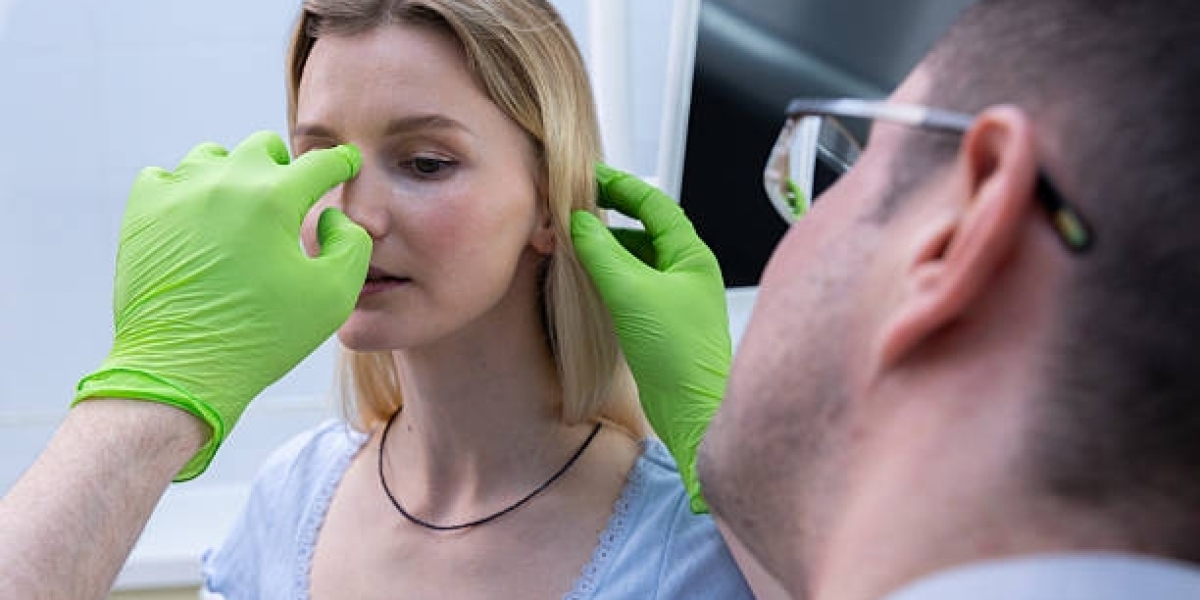

Syphilis screening is a crucial step in detecting a sexually transmitted infection that often progresses silently. When patients undergo testing, doctors evaluate specific clinical indicators, laboratory results, and patient history to ensure accurate diagnosis. Understanding what healthcare providers look for during Syphilis Screening in Dubai helps individuals feel informed, reduce anxiety, and appreciate the importance of routine testing.
Even when no symptoms are present, doctors can detect infection early, enabling timely treatment and preventing long-term complications.
Understanding the Purpose of Screening:
The goal of syphilis screening is to detect the presence of Treponema pallidum infection before it causes serious health issues. Doctors use screening to identify asymptomatic carriers, prevent transmission to partners, and guide effective treatment plans. Early identification also reduces the risk of long-term complications, including neurological and cardiovascular damage.
Reviewing Medical and Sexual History:
Before conducting tests, doctors often assess the patient’s medical and sexual history. Key considerations include recent sexual activity, number of partners, history of sexually transmitted infections, and potential exposure risks. Understanding a patient’s risk profile helps providers interpret test results accurately and recommend appropriate follow-up.
Pregnancy status is also important, as untreated syphilis can be transmitted to the fetus, making early detection critical.
Laboratory Tests Doctors Use:
Doctors rely on two main types of tests: nontreponemal and treponemal tests. Nontreponemal tests, such as RPR (Rapid Plasma Reagin) or VDRL (Venereal Disease Research Laboratory), detect antibodies produced in response to syphilis infection. These tests are sensitive but can occasionally produce false positives. Treponemal tests, such as FTA-ABS or TP-PA, detect antibodies specific to Treponema pallidum and confirm the diagnosis. Using both types ensures high accuracy and reliability.
Detecting Signs in Physical Examination:
Although many infections are asymptomatic, doctors may perform a physical examination to look for primary or secondary signs of syphilis. These include painless sores (chancres) on the genitals, mouth, or anus, and skin rashes that can appear on the palms or soles. Swollen lymph nodes or mild systemic symptoms may also be noted. Even subtle signs contribute to the overall assessment and guide testing decisions.
Interpreting Test Results:
Doctors analyze test results in the context of the patient’s history and clinical presentation. Positive nontreponemal tests are usually confirmed with treponemal tests to rule out false positives. Test titers are measured to determine infection activity, monitor treatment response, and decide on follow-up testing intervals. Negative results in high-risk individuals may prompt repeat testing to account for the window period after exposure.
Counseling and Education:
During syphilis screening, doctors provide counseling on what the tests mean, preventive measures, and next steps if results are positive. Patients are educated about safe sexual practices, partner notification, and the importance of follow-up testing. This guidance ensures that patients can make informed decisions and reduce the risk of reinfection or transmission.
Monitoring High-Risk Patients:
High-risk individuals, such as men who have sex with men, sexually active adults with multiple partners, and those living with HIV, may require more frequent screening. Doctors tailor testing schedules for these populations to ensure early detection and optimal treatment outcomes. Monitoring also supports broader public health efforts by limiting community transmission.
Follow-Up After Screening:
If a Syphilis Screening is positive, doctors recommend prompt treatment and subsequent follow-up to confirm that the infection has been fully cleared. Retesting ensures that antibody levels decrease appropriately, and patients are monitored for reinfection. For negative results, doctors may advise routine periodic screening based on risk factors.
Final Thoughts on What Doctors Look For:
During syphilis screening, doctors evaluate medical history, risk factors, laboratory results, and physical signs to ensure accurate diagnosis. They use sensitive and specific testing methods to detect infection even in asymptomatic individuals, provide education on prevention, and guide treatment and follow-up.
Understanding the process empowers patients to engage proactively in sexual health, recognize the importance of early detection, and trust that screening is a vital preventive measure for lifelong wellness.