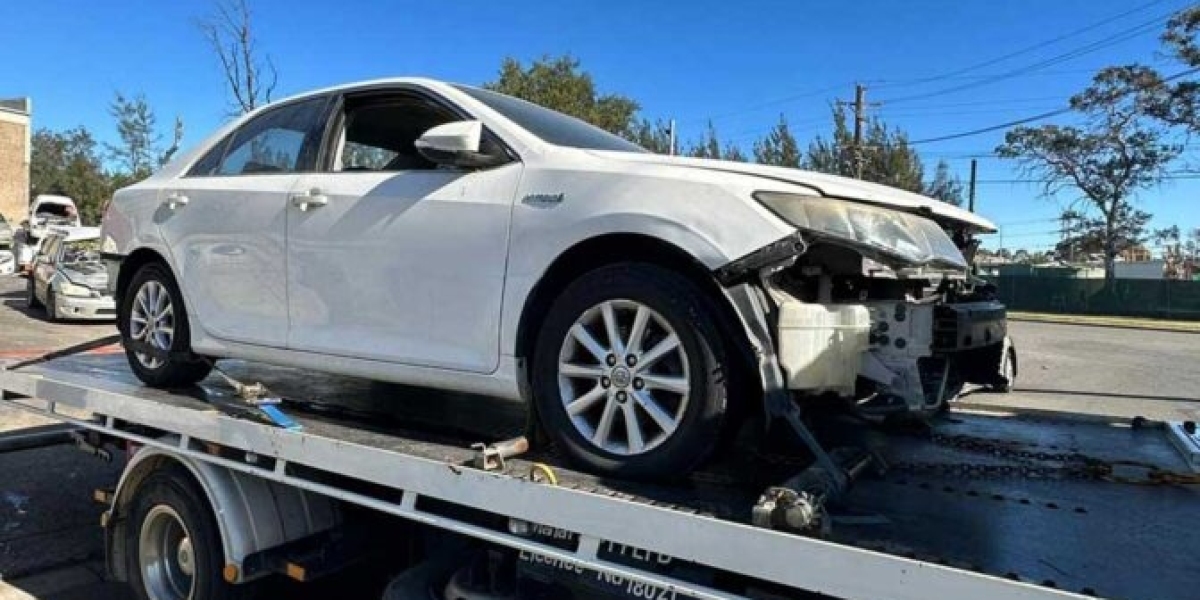

Many cars once ruled the roads but later faded from sight. Changing trends, new rules, and shifting needs pushed them aside. Yet these vehicles still carry stories. Salvage yards play a key role in keeping those stories alive. They act as quiet keepers of motoring history, saving parts, materials, and memories that might otherwise disappear.
This article explores how salvage yards help preserve forgotten cars. It looks at their history, their daily work, and their place in modern Australia. Each section stays focused on how these yards protect vehicles the world moved on from.
A Short Look at Forgotten Cars
Forgotten cars often come from brands that closed, models that failed, or designs that fell out of favour. Some were built in small numbers. Others were common once but lost relevance after fuel rules, safety updates, or buyer taste changed.
In Australia, local manufacturing left behind many models that no longer roll off factory lines. These cars still appear in sheds, paddocks, and old garages. Without salvage yards, many would rust away without record.
What Salvage Yards Really Do
Salvage yards collect vehicles that no longer serve their original role. They sort, store, and recover parts and materials. This work goes beyond scrap.
Their tasks include:
Recording vehicle details such as model year and engine type
Removing parts that still work or can be restored
Sorting metals like steel, aluminium, and copper
Keeping rare components safe for future use
Steel from old cars can be reused many times without loss of strength. Studies often note that a large share of automotive steel returns to new production. This reduces demand for new mining and lowers energy use.
Protecting Rare Parts and Designs
Many older cars used parts that are no longer made. Door handles, trims, carburettors, and badges often vanish first. Salvage yards save these items.
Collectors and restorers rely on these yards to finish projects with correct parts. Without them, many cars would never return to the road or display floor. This helps keep original designs visible for future generations.
A Living Record of Motoring History
Salvage yards act like open archives. Walking through one can show how car design changed over decades. Body shapes, dashboard layouts, and engine sizes tell clear stories about past needs and limits.
For students, historians, and hobbyists, these yards offer real examples. Books and photos help, yet seeing the real vehicle adds detail that paper cannot show.
Environmental Care Through Reuse
Preserving forgotten cars also supports the environment. Reusing parts reduces waste. Recycling metals cuts down on energy use compared to new production.
Old batteries, oils, and fluids are handled under strict rules in Australia. This helps keep soil and water safe. Salvage yards must follow local and state laws when draining and storing these materials.
Supporting Local Repair Culture
Older cars often stay on the road in regional areas. Owners repair them rather than replace them. Salvage yards supply parts that shops and owners cannot find elsewhere.
This keeps skills alive. Mechanics learn how older systems work, from manual gearboxes to early fuel injection. That knowledge would fade without a steady supply of vehicles and parts to study.
The Human Stories Behind Each Car
Every car arrives with a past. Some belonged to families for decades. Others served as work vehicles on farms or building sites. Salvage yard workers often hear these stories during collection.
Recording these details adds meaning to the metal. Some yards keep notes or photos. This practice turns each car into more than scrap. It becomes a memory worth keeping.
Salvage Yards in Modern Cities
Urban growth places pressure on space. Yet salvage yards still operate near major cities due to demand. In Sydney, many older cars reach yards after years of city driving.
One local service, Sydney Car Removal, fits into this system by collecting unwanted vehicles and guiding them into proper salvage channels. When a car reaches the end of its road life, such services help move it toward reuse and material recovery rather than silent decay. People searching for a Used Car Buyer Sydney often connect with this process, even if their first goal is only removal. This link between owners and salvage yards helps preserve parts and stories that might otherwise vanish.
Laws and Records That Matter
Australia enforces clear rules on vehicle disposal. Salvage yards must track vehicles to prevent theft and illegal resale. Vehicle identification numbers are checked and recorded.
These records help protect owners and buyers. They also help historians trace production runs and model changes over time. Clear paperwork adds structure to preservation work.
How Technology Assists Preservation
While the cars themselves may be old, record keeping has changed. Many salvage yards now log parts in digital systems. Photos, notes, and stock lists help match parts with buyers.
This helps rare items find the right homes. It also reduces loss and damage. Technology supports preservation without altering the core purpose of the yard.
Challenges Faced by Salvage Yards
Despite their role, salvage yards face hurdles:
Rising land costs near cities
Tight rules on waste handling
Limited public awareness of their cultural role
These challenges make it harder to keep older cars intact. Support from collectors, councils, and the public helps yards continue their work.
Why Salvage Yards Still Matter
Forgotten cars tell stories about design, labour, and daily life. Salvage yards keep those stories alive through careful recovery and storage. They bridge the gap between past and present motoring culture.
As cars continue to change, the role of salvage yards remains steady. They stand as guardians of vehicles the world moved on from, ensuring that metal, memory, and meaning do not fade together.