
A well-maintained garage door is more than just an aesthetic feature of your home—it is a crucial component for safety, security, and convenience. Regular garage door maintenance can prevent costly repairs, extend the life of your door, and ensure smooth, safe operation. Whether you have a manual or automatic door, knowing how to properly care for it can save you time, money, and frustration.
Why Garage Door Maintenance Matters
Garage doors are heavy and complex systems with multiple moving parts, including springs, rollers, cables, and sensors. Neglecting maintenance can lead to:
Safety hazards: Malfunctioning doors can close unexpectedly, causing injuries or property damage.
Costly repairs: Small issues, if ignored, can escalate into expensive repairs.
Reduced lifespan: Lack of lubrication or routine inspections can wear out components faster.
Energy loss: Poorly maintained doors can compromise insulation, increasing heating or cooling costs.
Basic Garage Door Maintenance Tips
Keeping your garage door in top condition doesn’t require professional skills for every task. Here are some basic steps homeowners can take:
1. Inspect and Tighten Hardware
Over time, the movement of the door can loosen bolts and screws. Inspect hinges, brackets, and rollers every six months and tighten them as needed. Pay special attention to the tracks—they should be aligned and free of obstructions.
2. Lubricate Moving Parts
Lubrication is key to smooth operation. Use a silicone-based lubricant or garage door-specific oil for:
Rollers
Hinges
Springs
Tracks
Avoid using heavy grease on tracks, as it can attract dirt and cause jamming. Lubricate your door at least twice a year.
3. Test the Balance
A properly balanced garage door reduces strain on the opener and ensures safe functioning. To check balance:
Disconnect the opener by pulling the release handle.
Manually lift the door halfway.
If it doesn’t stay in place, the springs may need adjustment.
Note: Adjusting springs can be dangerous. If you notice imbalance, contact a professional.
4. Examine Cables and Springs
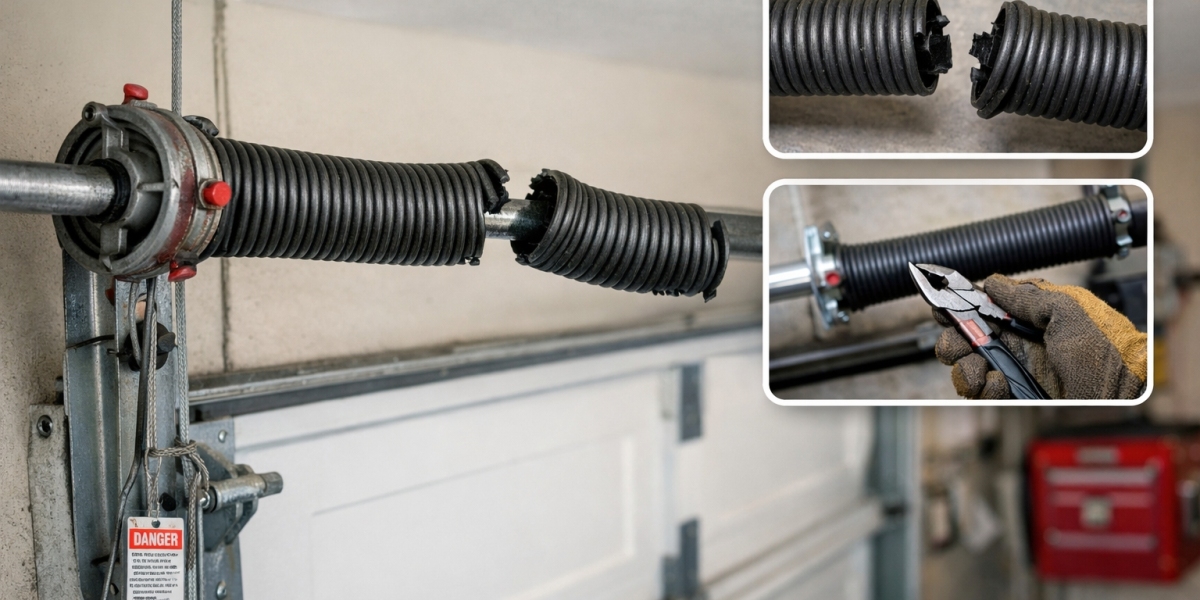
Cables and springs endure high tension and are prone to wear. Check for fraying cables or rust on springs. These components should be handled by trained technicians to avoid accidents.
5. Inspect and Clean the Tracks
Dirt, debris, and rust in the tracks can hinder door movement. Wipe them clean with a damp cloth and remove any obstacles. Minor dents can be gently hammered out, but severe damage may require replacement.
6. Test Auto-Reverse and Sensors
For automatic doors, safety sensors are critical. Place an object in the door’s path and close it. The door should reverse immediately. Clean the sensor lenses with a soft cloth and ensure they are properly aligned.
Seasonal Maintenance Checklist
Performing maintenance based on seasons can prevent weather-related issues:
Spring: Lubricate moving parts, check rollers, and inspect the door for rust after winter.
Summer: Tighten hardware, clean tracks, and inspect weather stripping for wear.
Fall: Test balance, check opener functionality, and replace worn weather seals.
Winter: Remove snow or ice buildup and lubricate frequently used parts to prevent stiffness.
DIY vs Professional Maintenance
While basic maintenance can be done at home, some tasks require professional expertise:
DIY-Friendly:
Cleaning tracks and rollers
Lubricating hinges and rollers
Tightening loose hardware
Inspecting minor damages
Professional Tasks:
Adjusting or replacing springs
Repairing or replacing cables
Fixing opener malfunctions
Major structural repairs
Hiring a professional annually ensures your garage door is inspected thoroughly, reducing the risk of sudden breakdowns.
Signs Your Garage Door Needs Immediate Attention
Some issues cannot wait and should be addressed promptly to avoid accidents:
Door moves unevenly or jerks
Loud grinding or squeaking noises
Door fails to close completely
Frayed cables or broken springs
Opener fails to respond
If you notice any of these signs, stop using the door until a professional examines it.
Benefits of Regular Maintenance
Enhanced safety: Prevents accidents and injuries.
Extended lifespan: Components last longer with routine care.
Smooth operation: Reduces noise and improves efficiency.
Cost savings: Early detection of issues avoids expensive repairs.
Energy efficiency: Well-sealed doors reduce energy loss.
Conclusion
Regular garage door maintenance is essential for safety, convenience, and cost-efficiency. By following simple DIY steps and scheduling annual professional inspections, you can ensure your garage door functions smoothly for years to come. Don’t wait for a breakdown—make maintenance a priority and protect both your home and family.