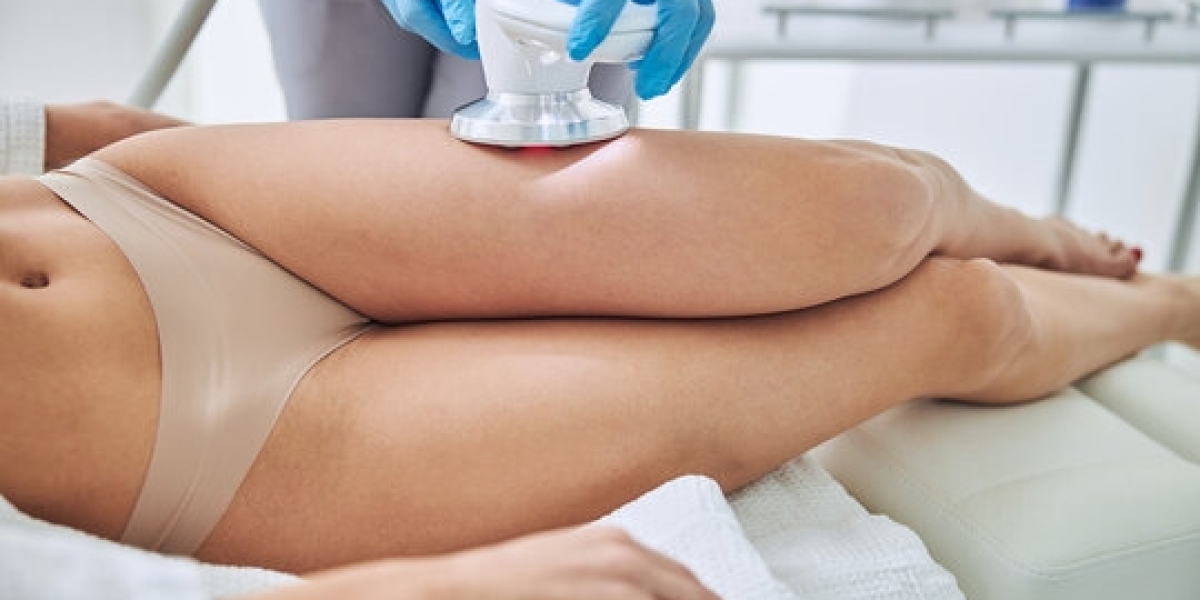

Recovering from body contouring procedures demands careful attention to aftercare. Proper home care after liposuction in riyadh ensures optimal healing, minimizes complications, and helps you enjoy smoother, more defined results. This guide dives into practical tips, daily routines, and expert advice to make your recovery smooth and swift. Whether you're targeting stubborn fat on your abdomen, thighs, or arms, these strategies empower you to take charge of your post-op journey.
Imagine slipping into your favorite outfit weeks earlier than expected because you nailed the recovery game. From managing swelling to resuming light activities, we'll cover it all in an engaging, step-by-step format. Stick with us to transform downtime into a path toward your best self.
Understanding Liposuction Recovery Basics
Liposuction in Riyadh removes unwanted fat through a minimally invasive process, but the real magic happens during recovery at home. Right after surgery, your body needs time to adjust as it processes the changes. Expect initial swelling, bruising, and tenderness—these are normal signs of healing.
Focus on rest in the first 48 hours. Elevate treated areas when possible to reduce fluid buildup. Hydration plays a starring role; drink plenty of water to flush out toxins and support tissue repair. Light walking prevents blood clots without overexertion.
Wearing Compression Garments Effectively
Compression garments are your recovery superhero. They apply gentle pressure to minimize swelling, support skin retraction, and shape your new contours. Wear them as directed, typically 24/7 for the first few weeks, then gradually less.
Choose breathable fabrics to avoid irritation. If they feel too tight, consult your surgeon for adjustments. Proper fit speeds healing and enhances results—think of them as a hug for your healing body.
Tips for Comfort with Garments
Wash them daily to keep clean and bacteria-free.
Alternate pairs to maintain hygiene.
Note any unusual pain and report it promptly.
Managing Swelling and Bruising
Swelling peaks around day three but fades over weeks. Ice packs wrapped in cloth for 20-minute sessions every few hours work wonders in the early phase. Avoid direct ice contact to prevent skin damage.
Arnica or bromelain supplements may reduce bruising, but check with your doctor first. Elevate limbs above heart level during rest. Lymphatic drainage massages, once cleared, gently encourage fluid movement for faster de-puffing.
Natural Remedies to Try
Pineapple juice for its anti-inflammatory enzymes.
Cool cucumber slices for soothing topical relief.
Herbal teas like ginger to boost circulation.
Wound Care and Hygiene Essentials
Tiny incisions heal quickly, but hygiene prevents infection. Keep them clean and dry for the first day, then gently cleanse with mild soap and water. Pat dry—never rub.
Apply prescribed antibiotic ointment sparingly. Watch for redness, pus, or fever as infection red flags. Showering starts after 48 hours; avoid baths or pools until fully healed to dodge contamination risks.
Pain Management at Home
Mild discomfort is common, but over-the-counter pain relievers like acetaminophen tame it effectively. Skip NSAIDs initially if advised, as they can increase bleeding. Follow your surgeon's prescription schedule religiously.
Deep breathing exercises or guided meditations distract from aches and promote relaxation. Heat therapy after the first week relaxes muscles without risking more swelling.
Non-Medication Pain Relief
Warm Epsom salt soaks for sore spots.
Essential oils like lavender for calming aromatherapy.
Gentle stretching to ease tightness.
Nutrition for Optimal Healing
Fuel your body with nutrient-dense foods to accelerate recovery. Protein-rich meals—think lean meats, eggs, and legumes—rebuild tissues. Load up on vitamins C and A from fruits and veggies for collagen production and skin health.
Anti-inflammatory foods like berries, fatty fish, and nuts curb swelling. Cut back on salt, sugar, and processed items to avoid water retention. A sample post-op meal: grilled salmon, quinoa, and steamed broccoli.
Exercise and Activity Guidelines
No gym marathons yet—start with short walks on day one to boost circulation. Gradually add light cardio after two weeks, strength training post-four weeks, per your doctor's green light. Listen to your body; pain means stop.
Core-focused yoga or Pilates rebuilds safely once cleared. Consistency here maintains your sculpted figure long-term.
Safe Movement Milestones
Days 1-3: Gentle strolling indoors.
Week 2: Brisk 10-minute walks.
Month 1+: Low-impact aerobics.
Emotional Well-Being During Recovery
Recovery isn't just physical—mood swings from anesthesia or body changes are real. Journaling or chatting with supportive friends lifts spirits. Set small goals, like trying on looser clothes, to celebrate progress.
Mindfulness apps guide you through boredom or frustration. Remember, temporary blues pass as your confidence soars with visible results.
When to Contact Your Surgeon
Most recoveries sail smoothly, but red flags demand attention. Excessive bleeding, severe pain unresponsive to meds, or asymmetric swelling warrant a call. Fever over 101°F or foul-smelling discharge signals infection.
Err on caution—prompt communication prevents issues. Your surgeon's team is there for reassurance.
Long-Term Results Maintenance
Liposuction delivers lasting contours if you maintain them. Adopt a balanced diet and regular exercise as lifestyle staples. Weight fluctuations can alter outcomes, so aim for stability.
Annual check-ins track progress. Hydration, sun protection, and moisturizing keep skin supple and vibrant.
Book an Appointment for Consultation
Ready to explore Liposuction or refine your aftercare plan? Book an appointment consultation at a clinic like Enfield Royal Riyadh for personalized guidance tailored to your goals.
FAQs
How long does swelling last after Liposuction?
Swelling typically peaks in 3-5 days and subsides significantly in 2-4 weeks, with full resolution in 3-6 months depending on the area treated.
Can I shower right after Liposuction surgery?
Wait 48 hours for showers, using lukewarm water and mild soap. Avoid submerging incisions in baths until healed.
What foods speed up Liposuction recovery?
Prioritize proteins, vitamin C-rich fruits, and omega-3s from fish to reduce inflammation and promote tissue repair.
When can I return to work post-Liposuction?
Desk jobs often allow return in 3-7 days; physical roles may need 2-4 weeks, based on your surgeon's advice.
Does Liposuction require follow-up appointments?
Yes, typically at 1 week, 1 month, and 3-6 months to monitor healing and results.