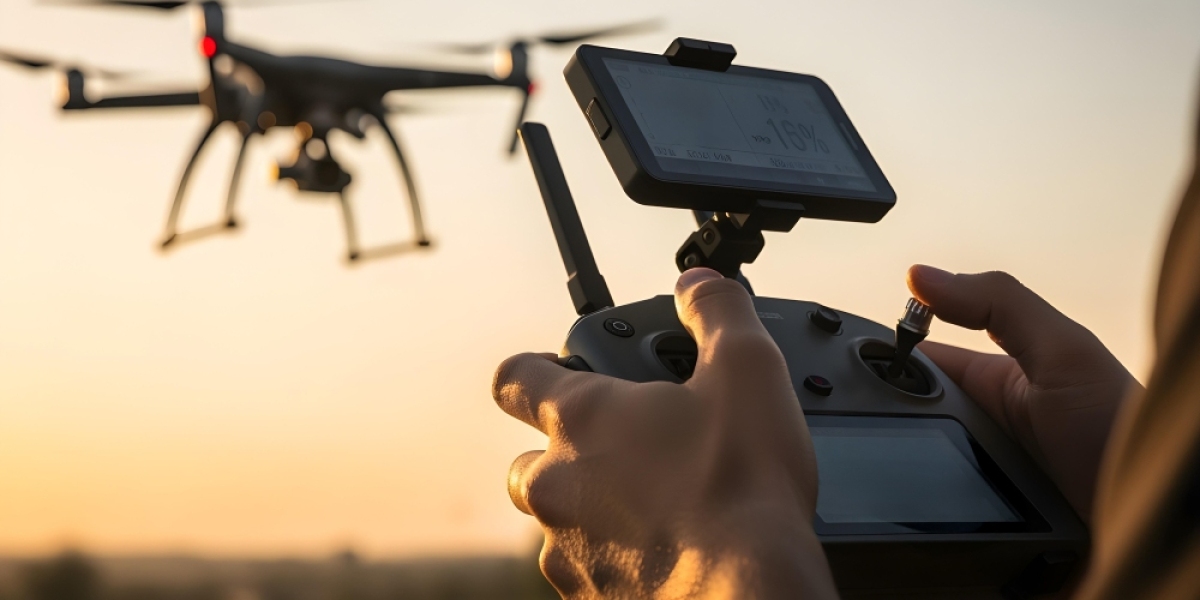

In today’s fast-paced world, businesses face increasingly complex security challenges. Traditional surveillance methods—such as stationary cameras, on-site guards, and alarm systems—often have limitations that leave gaps in coverage. These constraints have driven the adoption of drone security services, which offer a modern, versatile solution capable of monitoring large areas with speed and precision. From warehouses and construction sites to corporate campuses and event venues, drones are rapidly transforming the way organizations approach safety and threat detection.
Limitations of Traditional Ground-Based Surveillance
Ground-based security systems often struggle to provide comprehensive coverage. Fixed CCTV cameras have blind spots, limited angles, and mobility constraints, while on-site guards cannot patrol every corner simultaneously. Criminals are often aware of camera placements, making it easier to bypass surveillance. Large properties, like industrial complexes or multi-acre campuses, are especially challenging to secure effectively with traditional methods. Drones overcome these challenges by providing elevated, flexible monitoring that ensures no area is left unobserved.
How Drone Security Works: Key Components and Capabilities
Modern drones used for security are equipped with high-definition and thermal cameras, GPS systems, automated flight paths, AI-based object detection, and two-way communication capabilities. They can be piloted remotely or programmed to follow autonomous patrol routes. In practice, drones integrate seamlessly with existing security infrastructure, including surveillance control rooms and alarm systems, providing an additional layer of protection. The combination of aerial mobility and advanced sensors allows for faster detection and better situational awareness than ever before.
Wider Coverage and Elevated Visibility
One of the main advantages of drone security is its ability to cover expansive areas that are difficult for guards or stationary cameras to monitor. Drones can scan rooftops, parking lots, large construction sites, and outdoor event spaces. They follow moving targets in real-time, offering continuous tracking that traditional CCTV cannot provide. This elevated visibility helps security teams detect and respond to potential threats more effectively, ensuring that no area of the property goes unmonitored.
Faster Detection and Real-Time Response
Drones deliver real-time data to security personnel, enabling quicker decision-making and faster incident response. Thermal imaging allows for nighttime monitoring and low-visibility detection, reducing the risk of intrusions going unnoticed. By alerting guards or law enforcement instantly, drones minimize potential damage or loss and enhance overall safety. The speed and responsiveness of aerial surveillance make it a valuable asset for businesses that cannot afford delays in threat management.
Cost-Effective Security for Large-Scale Operations
Traditional security setups for large properties require multiple guards, surveillance towers, cameras, and patrol vehicles—all of which are costly to maintain. Drones offer a more cost-effective alternative, as one drone can cover areas that would otherwise require several guards. For industries like logistics, warehouses, construction, and large commercial complexes, the long-term savings on staffing, equipment, and infrastructure are substantial. Drones provide high-impact security coverage without the recurring expenses associated with traditional security solutions.
Industry Sectors Adopting Drone Security
Drone surveillance is increasingly common across a variety of industries. Construction companies use drones to monitor valuable equipment and prevent theft. Warehouses and logistics hubs rely on aerial oversight to secure inventory. Agriculture, energy, and utility sectors benefit from drone patrols that reduce risk on sprawling properties. Event venues and stadiums employ drones to monitor large crowds and detect potential threats. Residential communities and commercial complexes also adopt drone monitoring to maintain safe environments. In Los Angeles, drone security Los Angeles providers are helping businesses enhance safety while optimizing resources.
Drone Security and AI Technology Integration
Modern drones integrate artificial intelligence to improve accuracy and efficiency. AI-powered systems can differentiate between humans, vehicles, and animals, reducing false alarms. Predictive analytics can identify unusual patterns or behaviors, alerting security teams before incidents escalate. These smart drones learn over time, enhancing overall surveillance quality. By combining AI with live monitoring, businesses gain both immediate responsiveness and long-term predictive security capabilities.
Compliance, Safety Regulations, and Ethical Use
Operating drones for security requires adherence to FAA guidelines and local regulations. Licensed operators or certified security companies ensure safe and legal use of drones while respecting privacy concerns. Secure data storage and ethical surveillance practices protect both the business and the public. Integrating drones responsibly into a broader security strategy ensures compliance while maximizing effectiveness. Many organizations combine drone operations with other solutions, such as executive protection and personal security services, to provide comprehensive safety coverage.
The Future of Drone Security: Autonomous Patrols & Smart Surveillance
The future of drone security includes fully autonomous patrols, advanced AI integration, and 24/7 monitoring capabilities. Charging docks and automated flight paths allow drones to operate continuously without manual intervention. Integration with smart city infrastructure, predictive analytics, and real-time alerts will further enhance security for businesses and communities. As technology continues to evolve, drones are set to become an essential component of modern surveillance strategies worldwide.
Conclusion
Drone security is revolutionizing modern surveillance by offering wider visibility, faster response, cost-effective coverage, and intelligent analytics. Businesses across industries—from construction sites and warehouses to corporate campuses and residential complexes—are increasingly adopting drone solutions to enhance safety. When combined with professional services like executive protection and personal security services, drone technology provides a holistic approach to safeguarding people, property, and operations. As threats continue to evolve, drone security is becoming a cornerstone of next-generation surveillance strategies.