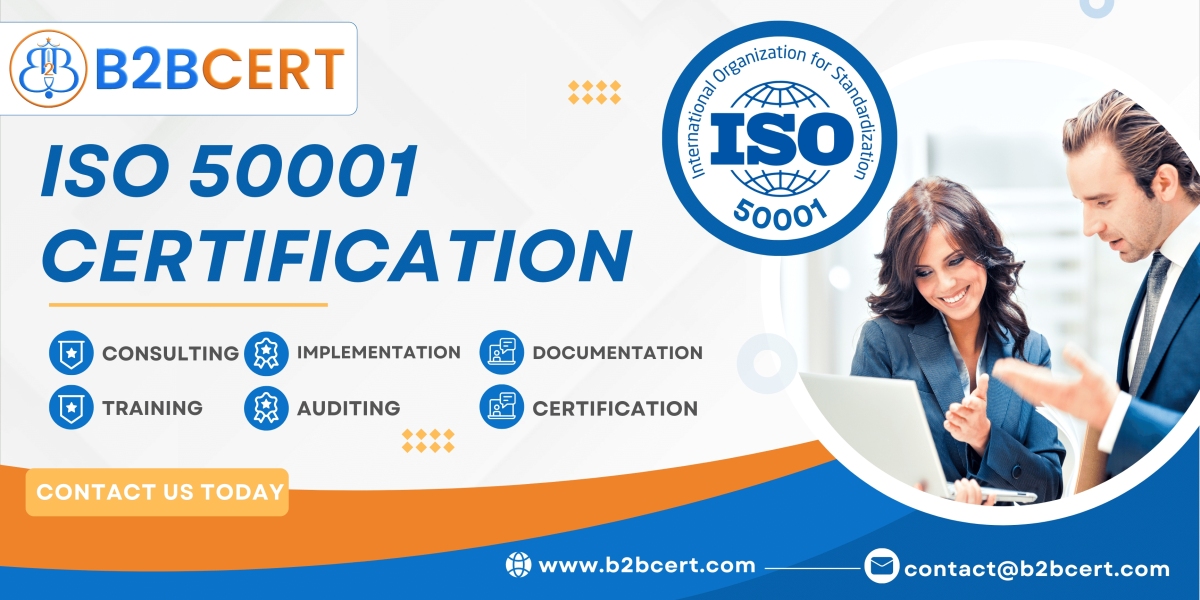

ISO 50001 Certification in Philippines As the Philippines continues to face rising energy costs, increasing carbon emissions, and growing demands for sustainability, organizations are searching for effective strategies to optimize energy use. ISO 50001 Certification, the international standard for Energy Management Systems (EnMS), provides a structured and proven framework that helps businesses reduce energy consumption, cut operational costs, and meet environmental goals.
With the government encouraging energy conservation and global markets prioritizing eco-friendly practices, ISO 50001 is becoming a key certification for industries across the Philippines. This blog explores the importance, benefits, requirements, and certification process of ISO 50001 in the country.
What Is ISO 50001 Certification?
ISO 50001 is the globally recognized standard for Energy Management Systems (EnMS). It guides organizations in establishing policies, processes, and tools needed to improve energy efficiency and achieve long-term sustainability.
The standard helps organizations to:
Reduce energy waste
Monitor energy performance
Improve operational efficiency
Adopt renewable or clean energy solutions
Lower environmental impact
ISO 50001 follows the Plan–Do–Check–Act (PDCA) cycle, allowing continuous improvement in energy management.
Why ISO 50001 Matters in the Philippines
1. Rising Energy Costs
Electricity rates in the Philippines are among the highest in Southeast Asia. ISO 50001 helps organizations systematically reduce energy consumption, leading to significant cost savings.
2. Government Push for Energy Efficiency
The Energy Efficiency and Conservation Act (RA 11285) encourages businesses to implement energy management programs. ISO 50001 aligns perfectly with these national guidelines.
3. Contribution to Environmental Sustainability
With increasing concerns about climate change, ISO 50001 helps organizations reduce greenhouse gas emissions and improve environmental performance.
4. Competitive Advantage in Global Markets
Exporters, manufacturers, and large enterprises gain recognition for adhering to international sustainability standards, improving their global credibility.
5. Enhanced Corporate Social Responsibility
Organizations demonstrate responsibility toward environmental protection, appealing to investors, customers, and regulatory bodies.
Key Features of ISO 50001
ISO 50001 Implementation in Philippines provides a comprehensive approach to energy management through:
1. Energy Policy Development
Organizations must establish a formal policy for efficient energy use and performance improvement.
2. Energy Review & Baseline
Helps identify major energy consumers, assess usage trends, and set performance targets.
3. Energy Performance Indicators (EnPIs)
Allows organizations to measure energy performance using clear metrics.
4. Energy Planning
Includes setting objectives, targets, and action plans for energy improvement.
5. Operational Control
Ensures efficient management of equipment, processes, and energy-consuming systems.
6. Monitoring & Measurement
Continuous tracking of energy performance ensures ongoing optimization.
7. Internal Audit & Review
Ensures the EnMS remains effective, compliant, and continuously improving.
Benefits of ISO 50001 Certification in the Philippines
Reduced Energy Costs
Organizations can achieve significant cost savings through improved energy efficiency and reduced wastage.
Improved Operational Efficiency
Enhances machinery performance, reduces downtime, and optimizes system operations.
Environmental Protection
Helps reduce carbon footprint, supporting national and global sustainability goals.
Regulatory Compliance
Aligns with local policies such as the Energy Efficiency and Conservation Act and DENR environmental regulations.
Stronger Organizational Reputation
Certified organizations demonstrate their commitment to sustainability and responsible energy use.
Better Stakeholder and Investor Confidence
Sustainability-focused companies attract more partnerships and funding opportunities.
Enhanced Employee Awareness
Promotes energy-conscious behavior among staff, fostering a culture of conservation.
Industries in the Philippines That Benefit from ISO 50001
ISO 50001 is suitable for any organization that consumes energy—whether large or small. Key sectors include:
Manufacturing & Industrial Plants
Food & Beverage Processing
Transportation & Logistics
Hotels & Hospitality
Hospitals and Healthcare Facilities
Government Agencies
Construction & Real Estate
Mining & Energy Companies
Educational Institutions
BPOs and IT Facilities
Even small businesses can adopt ISO 50001 to manage energy effectively and reduce overhead costs.
ISO 50001 Certification Process in the Philippines
The certification process generally includes the following steps:
1. Gap Analysis
Identify gaps between current practices and ISO 50001 requirements.
2. Energy Assessment
Conduct a detailed energy review to understand consumption, major loads, and performance trends.
3. Develop an Energy Management System
Create policies, procedures, and controls aligned with the standard.
4. Implementation
Apply energy controls, install monitoring systems, train staff, and implement energy-saving initiatives.
5. Internal Audit
Evaluate compliance and readiness for certification.
6. Management Review
Top management reviews performance improvements and approves further actions.
7. Certification Audit
A certification body conducts Stage 1 (documentation audit) and Stage 2 (implementation audit).
8. Certification Issuance
The organization earns ISO 50001 Certification upon meeting all requirements.
9. Surveillance Audits
Annual audits ensure continual improvement and ongoing compliance.
Cost of ISO 50001 Certification in the Philippines
The cost varies depending on:
Size of the organization
Energy consumption complexity
Number of facilities
Certification body
Existing energy management practices
Despite the cost, organizations often recover their investment quickly due to energy savings.
Conclusion
ISO 50001 Certification Consultants in Philippines is a strategic investment for organizations seeking energy efficiency, cost savings, and environmental sustainability. With the country’s high energy rates and increasing environmental responsibilities, adopting ISO 50001 provides long-term benefits—from operational improvements to regulatory compliance and enhanced brand reputation.
By implementing a robust Energy Management System, businesses can achieve measurable improvements in energy performance and contribute to a greener, more sustainable future for the Philippines.